
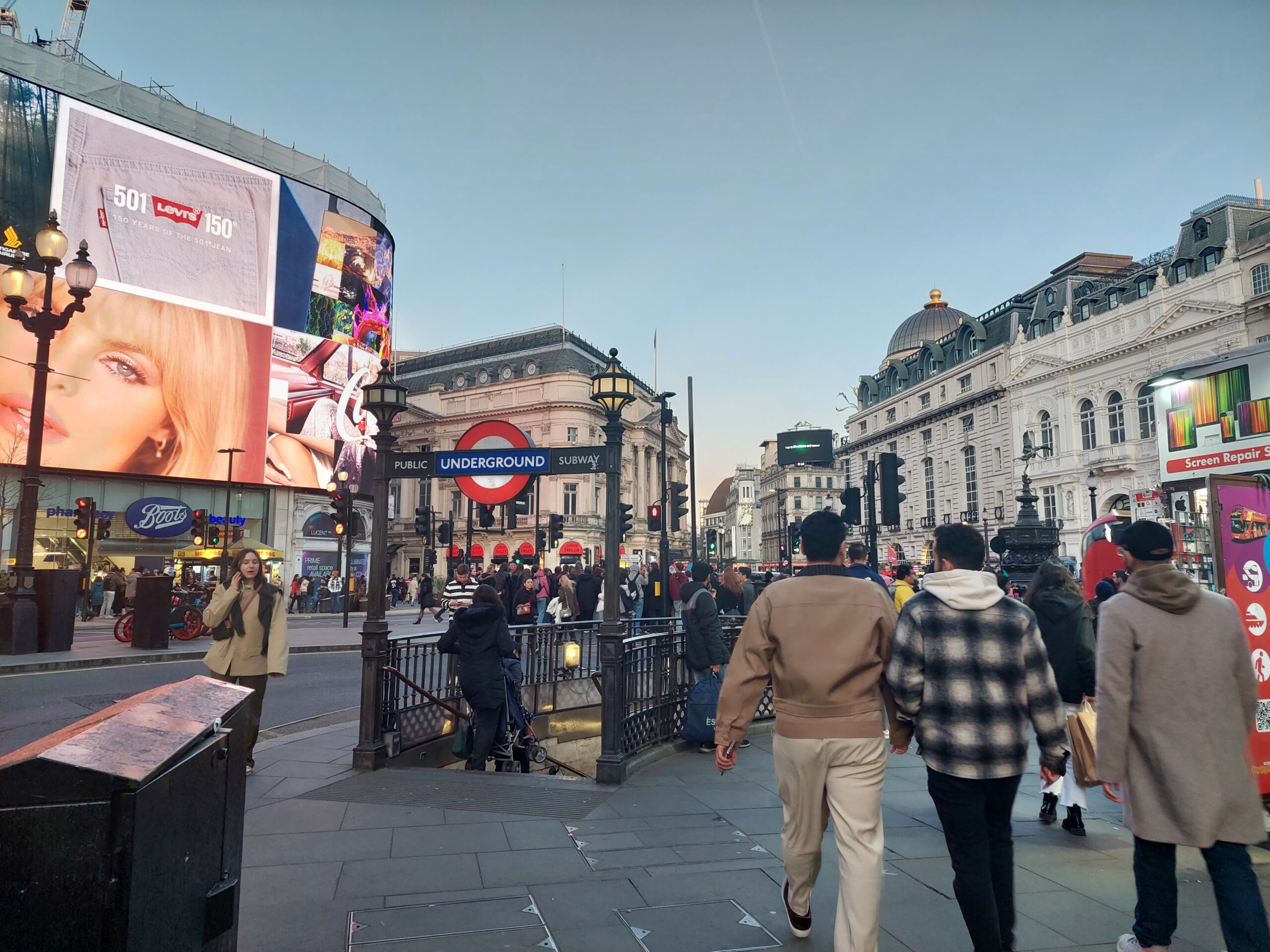
Top things to do, see and eat in London.
London is one of the most iconic – and most popular – city trip destinations in the world. With its rich history, buzzing neighborhoods, royal landmarks, world-class museums, and incredible diversity, it’s a city that truly has something for everyone. London is huge, and with so much to see and do, planning your trip can feel a little overwhelming. That’s why in this Bug Girl’s Guide to London, I’ve categorized everything into easy sections so you can jump straight to what you’re looking for – whether that’s food, museums, shopping, or insider tips. Plus, at the end, you’ll find suggested itineraries tailored to how long you’re staying, whether it’s your first time or a return visit, and even what season you’re visiting in.
For me, London isn’t just another city on the map – it’s one of my favorite go-to destinations for a city break, a shopping spree, or simply to soak in the energy of a world-class metropolis. I’ve been more times than I can count (though not all of those trips made it onto the blog yet – I only started creating content here since beginning this year!). So this guide combines both my years of exploring London and my more recent adventures as a travel content creator.
Ready to explore? Whether you’re visiting for a weekend, a short city break, or a longer adventure, this guide will take you through everything from practical tips and getting around, to the best places to eat, shop, and discover London’s hidden gems.
Contents
- Quick Facts About London
- Practical Tips for Visiting London
- Getting Around
- Where to Stay
- Top Things to See & Do In London
- Museums
- Markets
- View Points
- Gardens & Parks
- Food & Drink
- Suggested London Itineraries
Quick Facts About London
- Location: Southeastern England, situated along the River Thames.
- Population: Around 9 million residents, making it the largest city in the United Kingdom.
- Vibe: Fast-paced, multicultural, and full of contrasts – from historic landmarks and royal palaces to trendy markets, cozy pubs, and vibrant neighborhoods. London feels both iconic and ever-changing, with something new to discover each visit.
- Language: English is the official language, but you’ll hear hundreds of others thanks to London’s global community – from Polish to Punjabi, Arabic to Portuguese.
- Currency: British Pound Sterling (£).
- Transport: London has one of the best public transport networks in the world. The Underground (or “Tube”) connects nearly every area of the city, while buses, trains, and trams make getting around easy. You can tap in and out with your debit/credit card or an Oyster card on all public transport. Walking is great for central areas, and cycling has become increasingly popular too.
- Nearest Airports: London has several major airports. Heathrow (the largest and busiest), Gatwick, Stansted, Luton, and London City Airport. Most international visitors arrive via Heathrow or Gatwick.
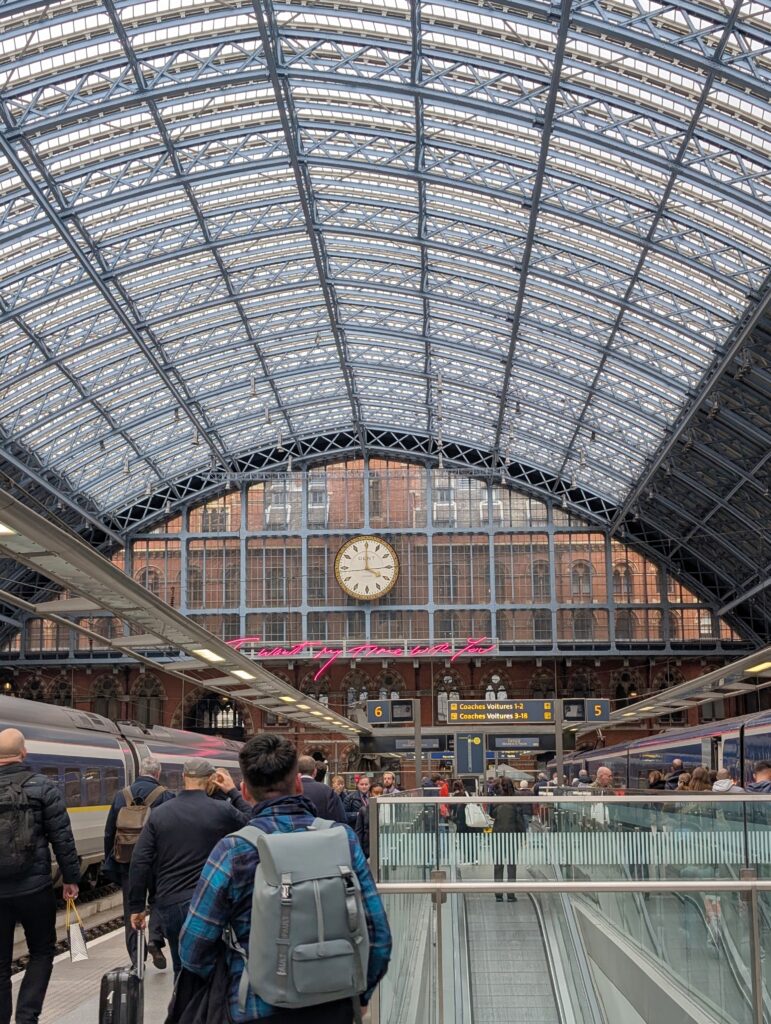
- Eurostar: London is connected to continental Europe via the Eurostar high-speed train. Departing from St Pancras International, you can reach Paris in around 2 hours 20 minutes, Brussels in about 2 hours, and Lille in just over 1 hour. Tickets vary depending on the season and how far in advance you book, but early booking usually gives the best fares. The Eurostar is a convenient option if you’re planning multi-country trips or want to explore beyond London without flying.


Practical Tips for Visiting London
Before diving into all the best things to do, eat, and see, here are a few practical tips that will make your London trip a whole lot smoother.
- Book popular attractions in advance. Places like the Tower of London, Kensington Palace, and special exhibitions can sell out, especially during school holidays and summer.
- Visit museums for free. Many of London’s best museums, including the British Museum, Natural History Museum, National Gallery, and Victoria & Albert Museum, are completely free to enter (though donations are appreciated).
- Bring comfortable shoes. London is huge, and even if you use public transport, you’ll easily walk 15,000-25,000 steps a day without realizing it.
- Use contactless payment. The easiest way to get around is by tapping your debit card, credit card, or phone on public transport. There’s no need to buy paper tickets, and daily fare caps help keep costs down.
- Plan for the weather. London weather can change quickly. Even in summer, it’s worth carrying a small umbrella or light rain jacket.
- Don’t try to see everything. London is one of those cities where you’ll never run out of things to do. Focus on a few neighborhoods or attractions each day rather than trying to tick off every landmark.
- Take advantage of free viewpoints. Before spending money on expensive observation decks, check out free options like The Lookout or The Garden at 120.
- Avoid rush hour if possible. The Tube gets extremely busy on weekdays between roughly 7:30-9:30 AM and 4:30-6:30 PM.
- Look beyond the famous landmarks. Places like St Dunstan in the East, Hampstead, Chelsea Physic Garden, and Kew Gardens often ended up being some of my favourite London experiences.
- Carry a reusable water bottle. London has plenty of free water refill stations, especially in museums, train stations, and major attractions.
- Book restaurants ahead of time. Popular spots like Dishoom can have very long queues, particularly at weekends and during dinner hours.
- Allow extra time for transport. Even though London’s public transport network is excellent, getting from one side of the city to the other can easily take 45-60 minutes.
- If it’s your first visit, focus on the classics. Big Ben, Westminster, Tower Bridge, Buckingham Palace, and a museum or two are famous for a reason. Save some of the more niche spots for your next trip.
- Consider visiting in spring or autumn. You’ll generally get smaller crowds, lower hotel prices, and more comfortable sightseeing weather than during peak summer season.
- Don’t be afraid to visit London more than once. I’ve been more times than I can count, and every trip feels completely different depending on the neighbourhoods, attractions, and seasons you explore.
Getting Around
London has one of the most extensive and efficient public transport systems in the world. The network, run by Transport for London (TfL), includes the Underground (Tube), Overground, buses, trams, ferries, cable cars, and even bikes. You can pay for almost all of them using a contactless debit/credit card, Apple/Google Pay, or a TfL Oyster card, so no need to buy individual tickets.
Oyster Cards & Payment
If you don’t have a UK bank card, you can buy a blue Oyster card at any Tube station, visitor information center, or Heathrow Airport. It costs £7 (non-refundable) and you can top it up with pay-as-you-go credit. The same contactless caps apply, so you’ll never overpay.
Alternatively, just use your contactless bank card or phone. It works exactly the same way, and you don’t need to buy an Oyster unless you prefer having a physical card.
The Tube & Overground
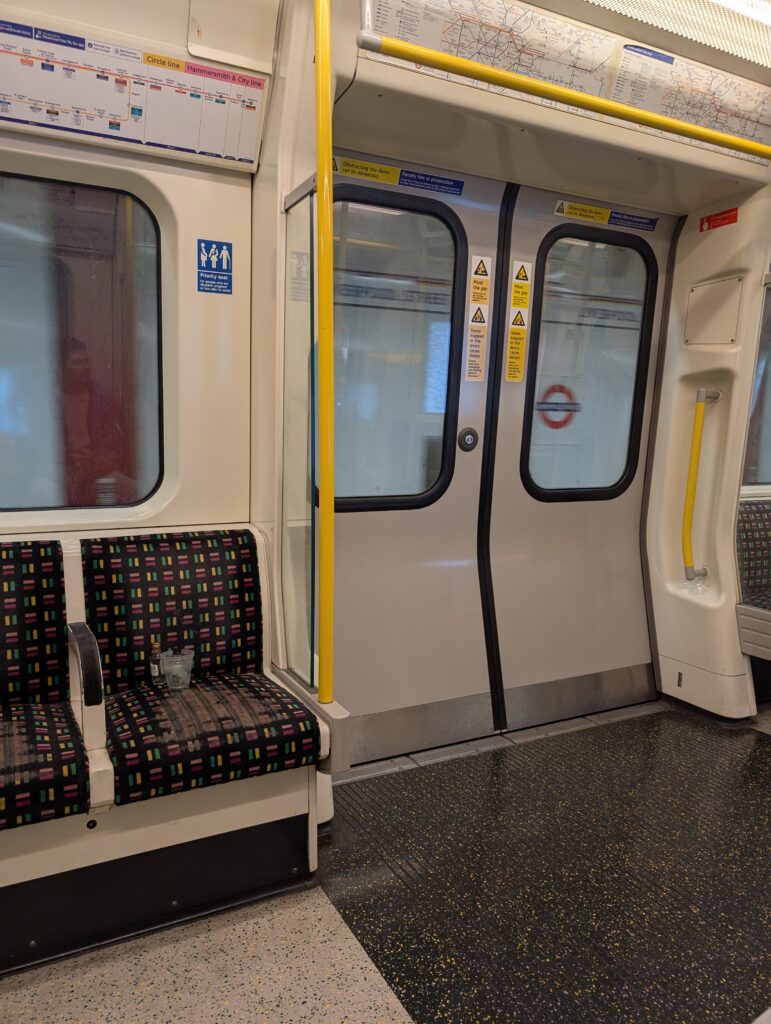
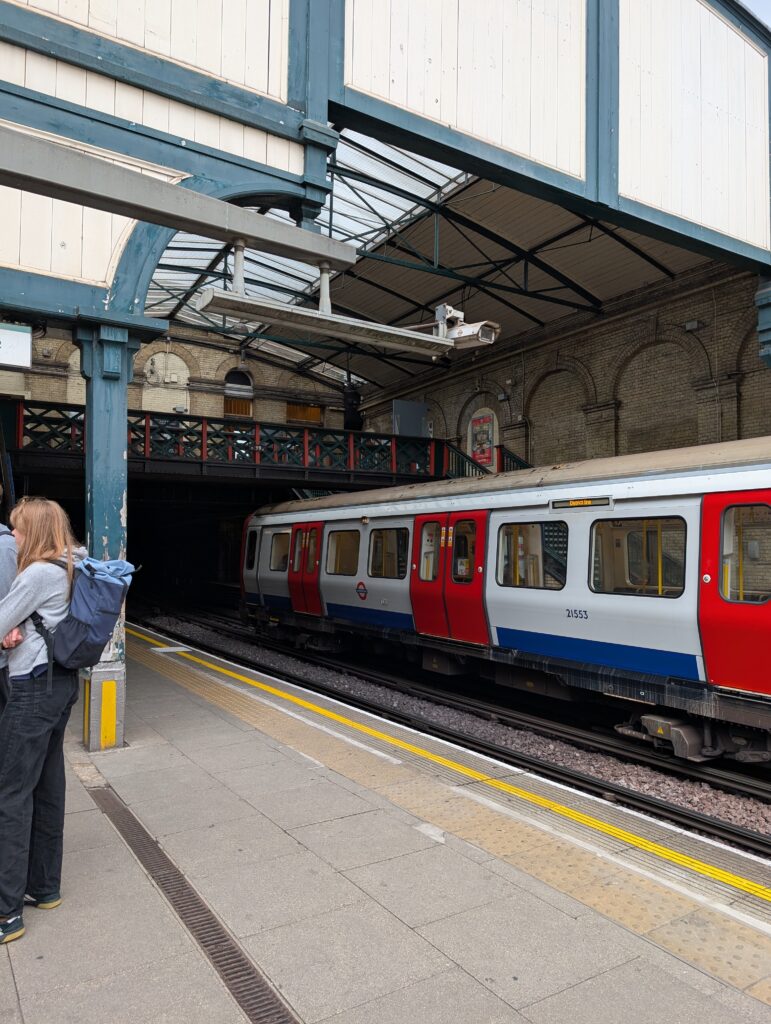
The London Underground (or “Tube”) is the fastest way to get around the city. It covers nearly every area you’ll want to visit, from central hotspots like Covent Garden and Westminster to outer neighborhoods like Wimbledon or Camden. The Overground connects outer boroughs and is great for reaching spots the Tube doesn’t directly cover.
To ride, simply tap in and out at the ticket barriers with your contactless card or Oyster card – your fare is automatically capped daily and weekly, so you’ll never pay more than a set limit. A typical single journey in Zones 1–2 (most tourist areas) costs around £2.80-£3.50. Trains run roughly from 5 AM to midnight, and some lines offer Night Tube service on weekends.
💡 Tip: Download the free TfL Go app or use Google Maps to plan routes and check live updates. It’s super accurate and easy to follow.
Buses
London’s iconic red double-decker buses are not only a cheap way to get around (just £1.75 per ride), but also a great way to sightsee while you travel. You can tap your card or Oyster when boarding, no need to tap out when you get off. Buses run 24/7 on many routes, with Night Buses operating after the Tube closes.
💡 Bug Girl Tip: Sit on the top deck, front row for the best free city tour!
Taxis
Black cabs are a London classic, reliable, but pricier than public transport. Fares start at around £3.80 and increase based on distance and time. All licensed cabs accept card payments, and drivers are famously knowledgeable (they study “The Knowledge,” which covers every street in London!).
If you’re on a budget, Uber, Bolt, and Free Now are more affordable app-based alternatives.
Cycling
London has become increasingly bike-friendly. You can rent a Santander Cycle from hundreds of docking stations across the city. It costs £1.65 for 30 minutes, or you can get a day pass for unlimited short rides. Just download the Santander Cycles app or use a docking station screen to pay with your card.
Many central routes now have dedicated cycle lanes, making biking a fun and scenic way to explore, especially along the Thames or through the royal parks.
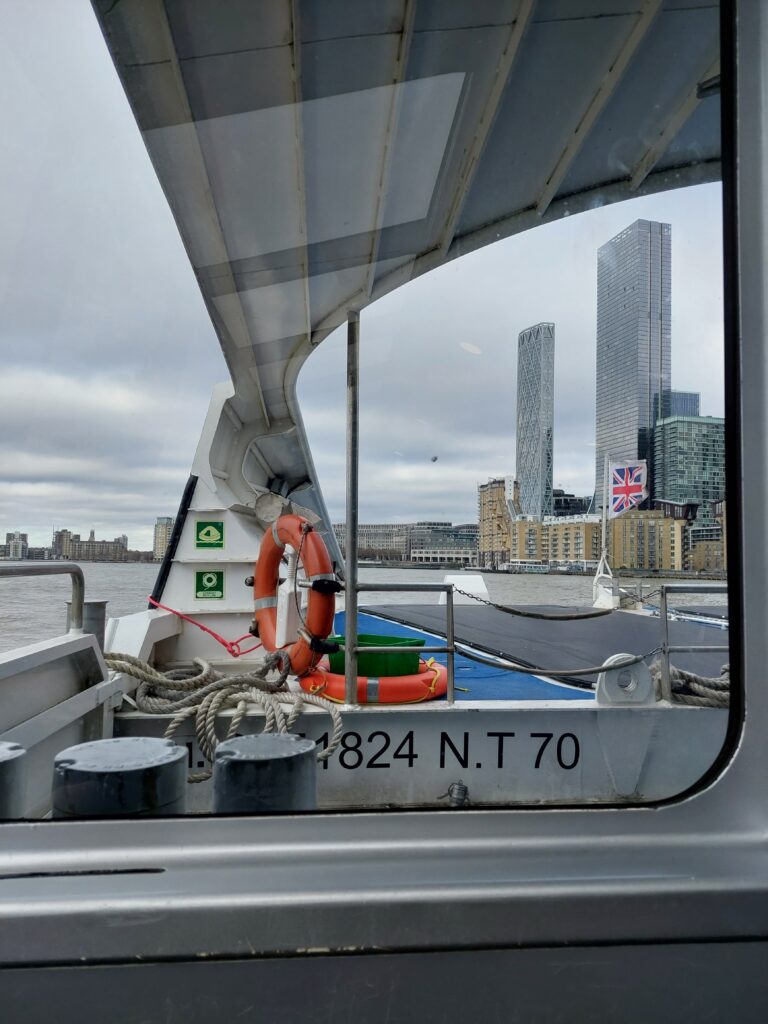
Uber Boat by Thames Clippers
For something different, try the Uber Boat by Thames Clippers, a river bus that runs along the Thames between Putney and Woolwich. It’s part of TfL, so you can tap in and out with your card or Oyster. Prices vary depending on the zone, but it’s roughly £5-£8 per ride.
It’s a peaceful (and scenic!) way to travel. Perfect for hopping between sights like the London Eye, Tower Bridge, and Greenwich.
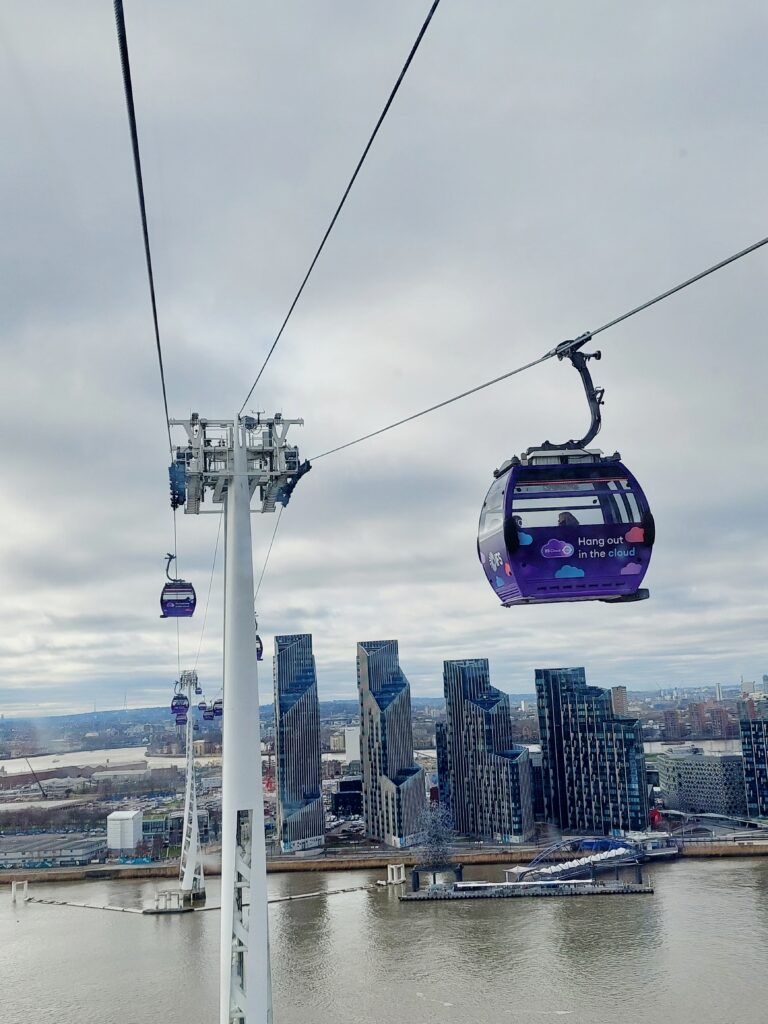
IFS Cloud Cable Car
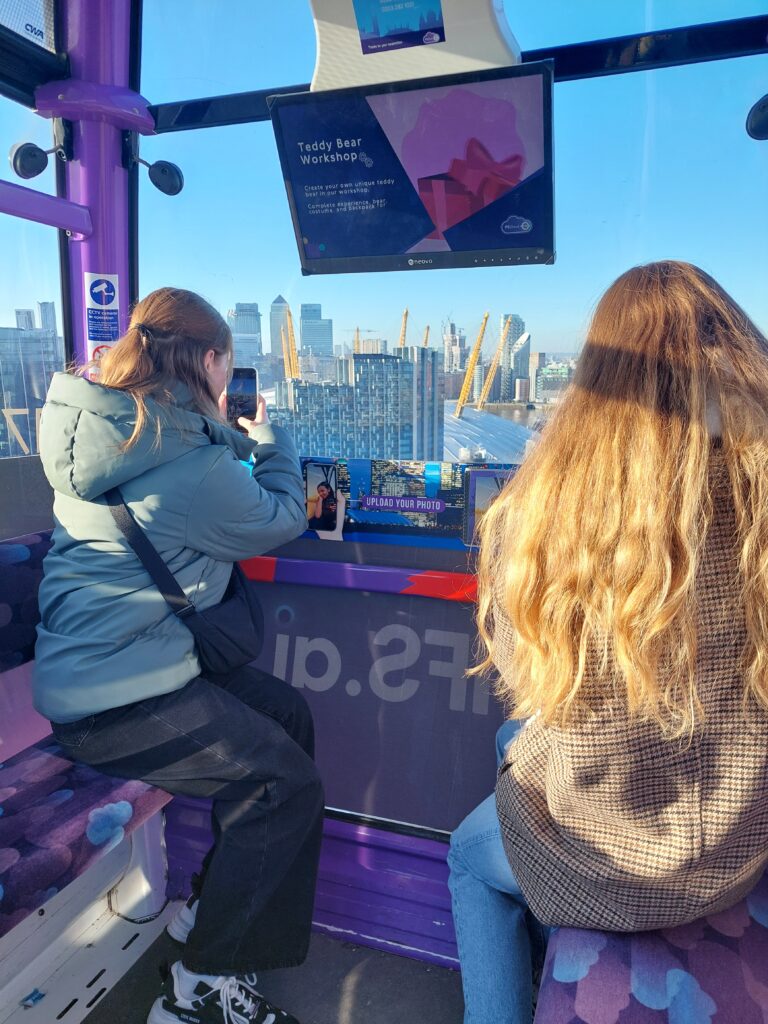
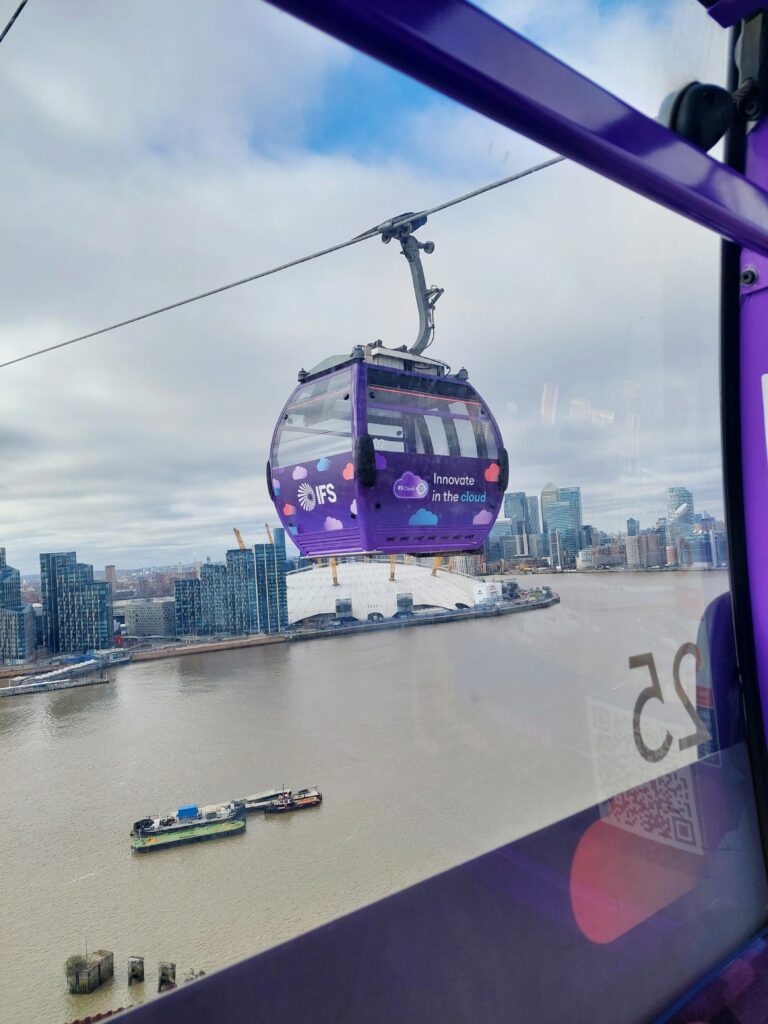
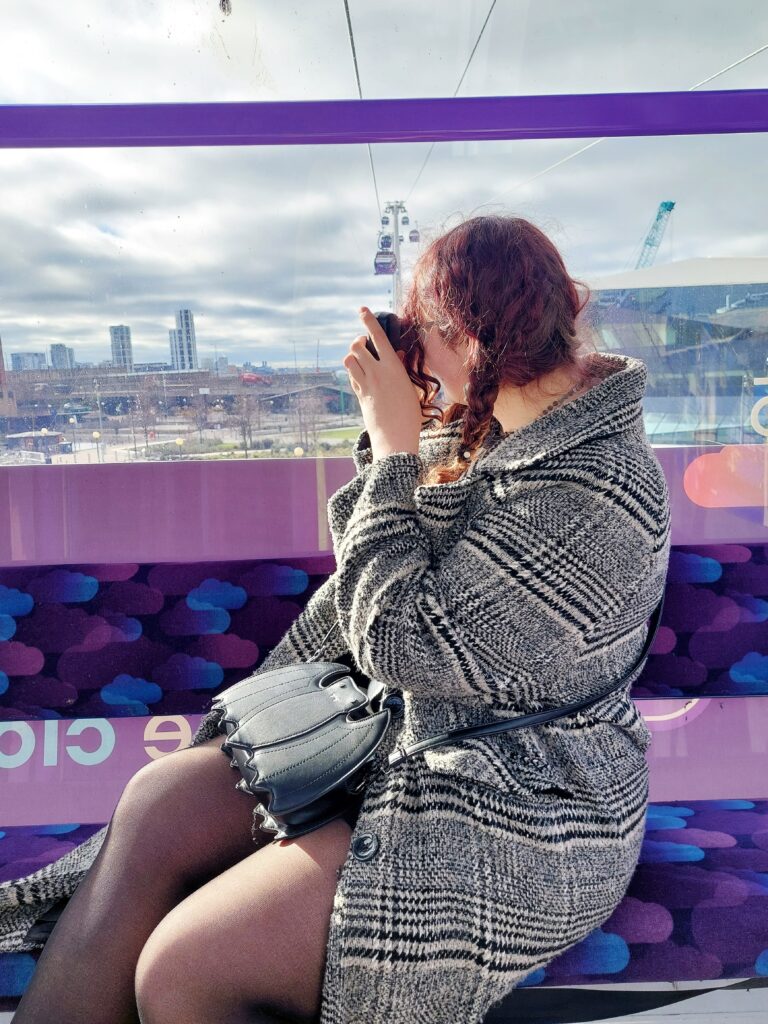
For a completely unique view of the city, hop on the IFS Cloud Cable Car (formerly the Emirates Air Line). It connects Greenwich Peninsula to the Royal Docks and offers panoramic views of the River Thames, The O2, and Canary Wharf.
You can pay by tapping your card or Oyster at the gate, no need to book ahead. A one-way trip costs around £6 for adults, £3 for kids, and the ride lasts about 10 minutes. It’s a fun detour, especially at sunset!
Nearest Tube stations: North Greenwich (Jubilee Line) or Royal Victoria (DLR).
💡 Bug Girl Tip: Sit facing west for the best view of The O2 and the Thames skyline!
Where to Stay
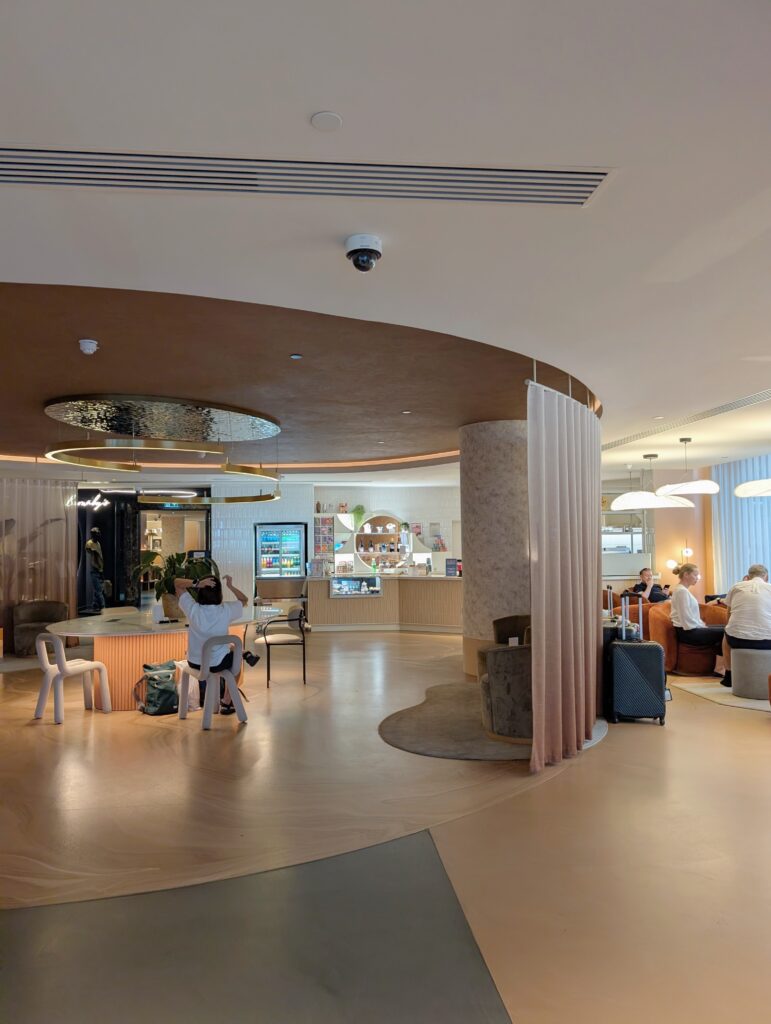
Ibis Earls Court
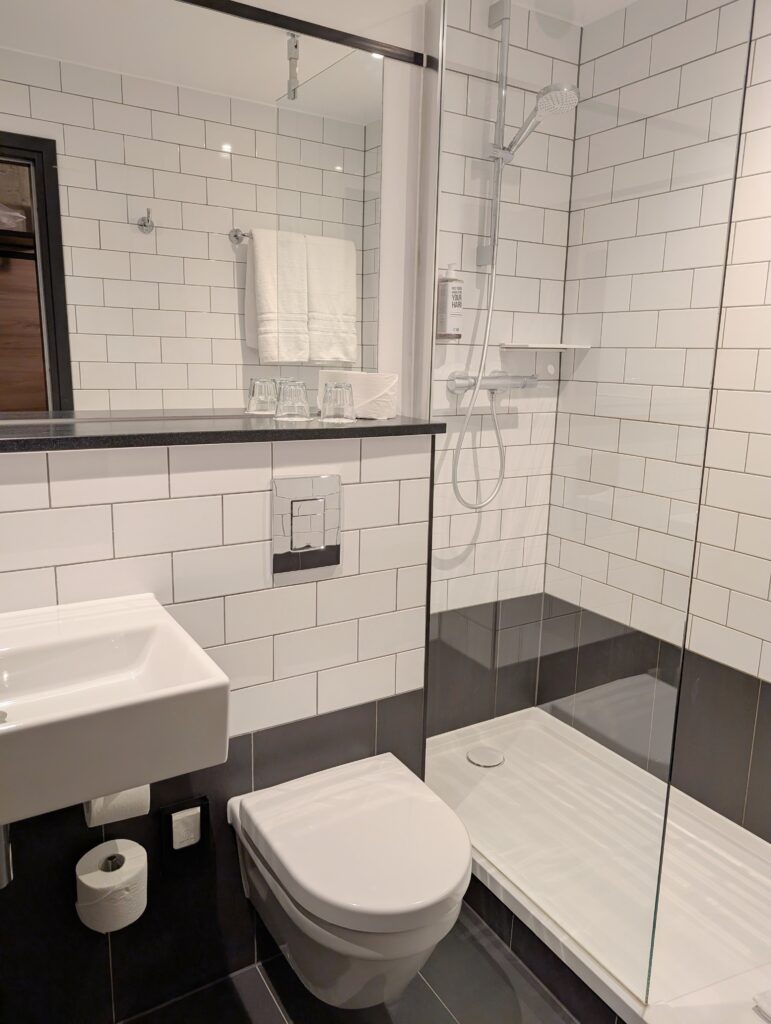
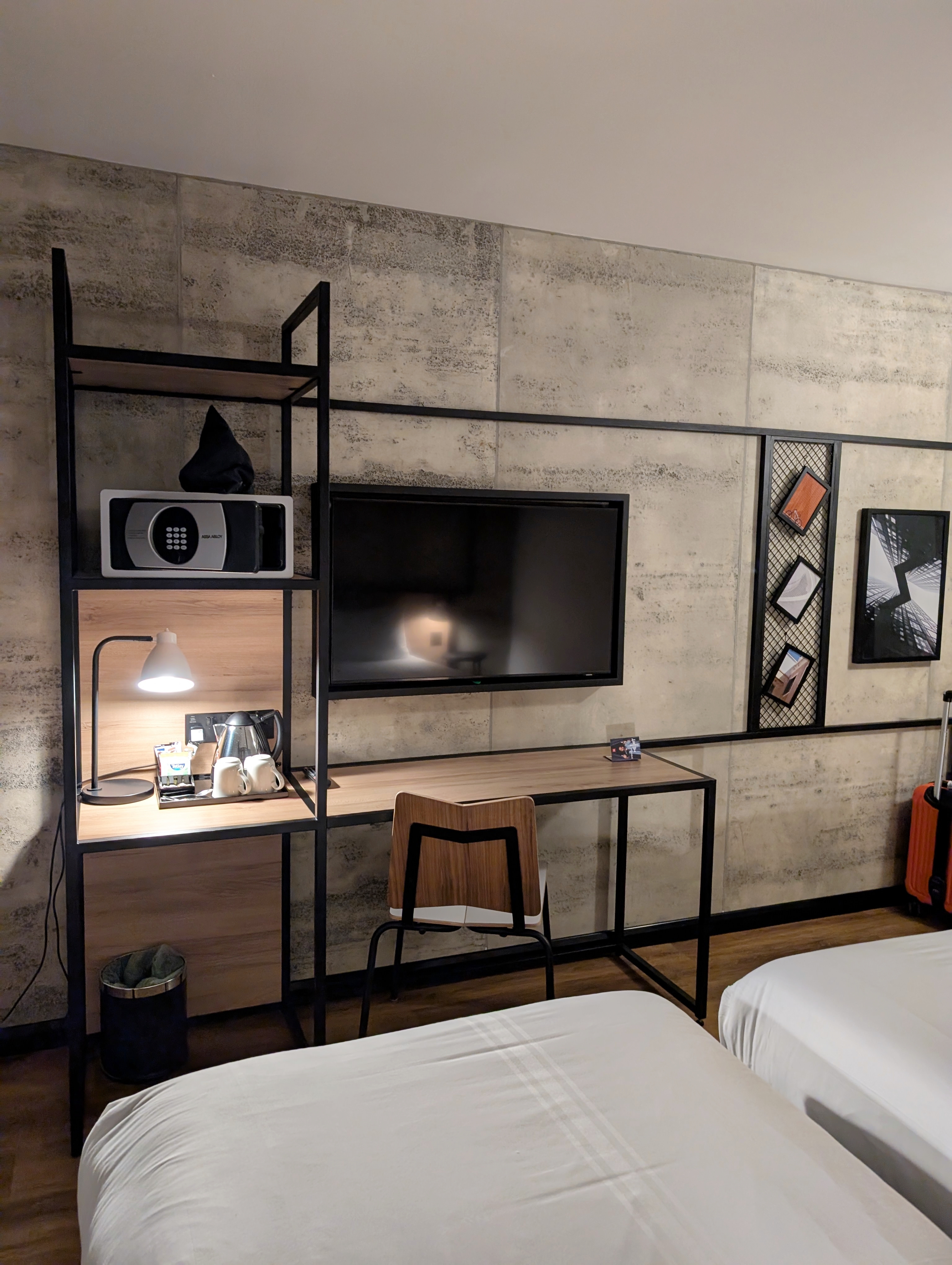
If you’re looking for an affordable yet comfortable place to stay in London, the Ibis London Earls Court is a solid mid-range option. Located in West London, just a few minutes’ walk from West Brompton Station, it’s well-connected to the rest of the city while offering better prices than hotels in central London. The area has everything you might need from supermarkets to cozy pubs, and makes a great base for exploring both the city’s highlights and quieter neighborhoods like Kew Gardens.
The rooms are clean, modern, and recently renovated, with comfy beds, air conditioning, and all the basics you’d expect. At around €704 for 5 nights for two people, including breakfast, it’s excellent value for money in a notoriously pricey city. Overall, this hotel is perfect for students, couples, or anyone who wants a reliable, well-located stay without breaking the bank.

Premier Inn London Farringdon
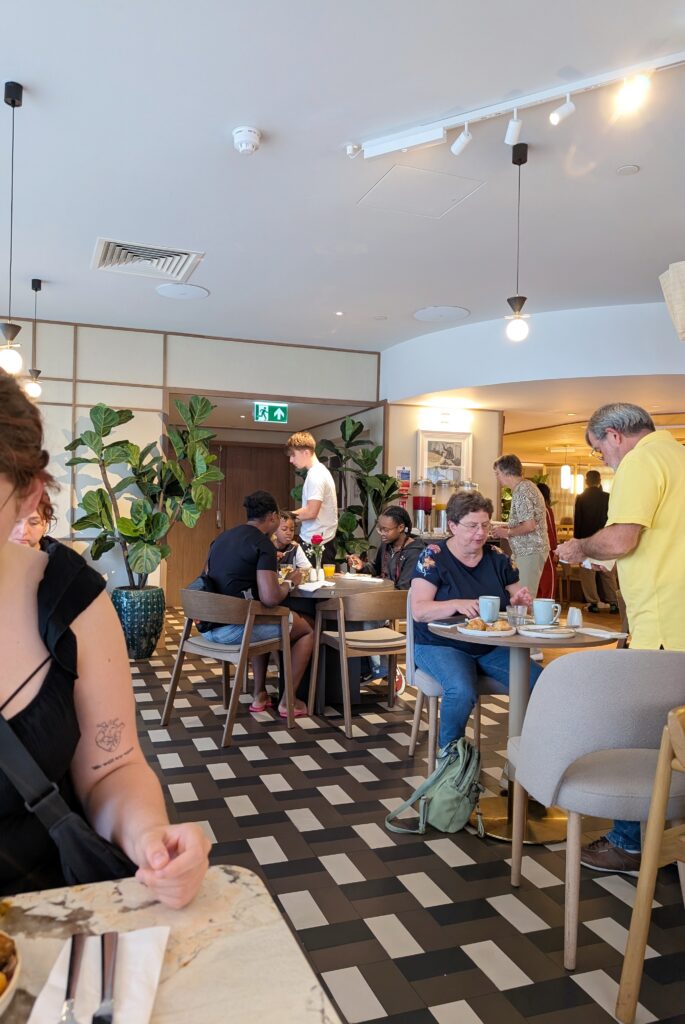
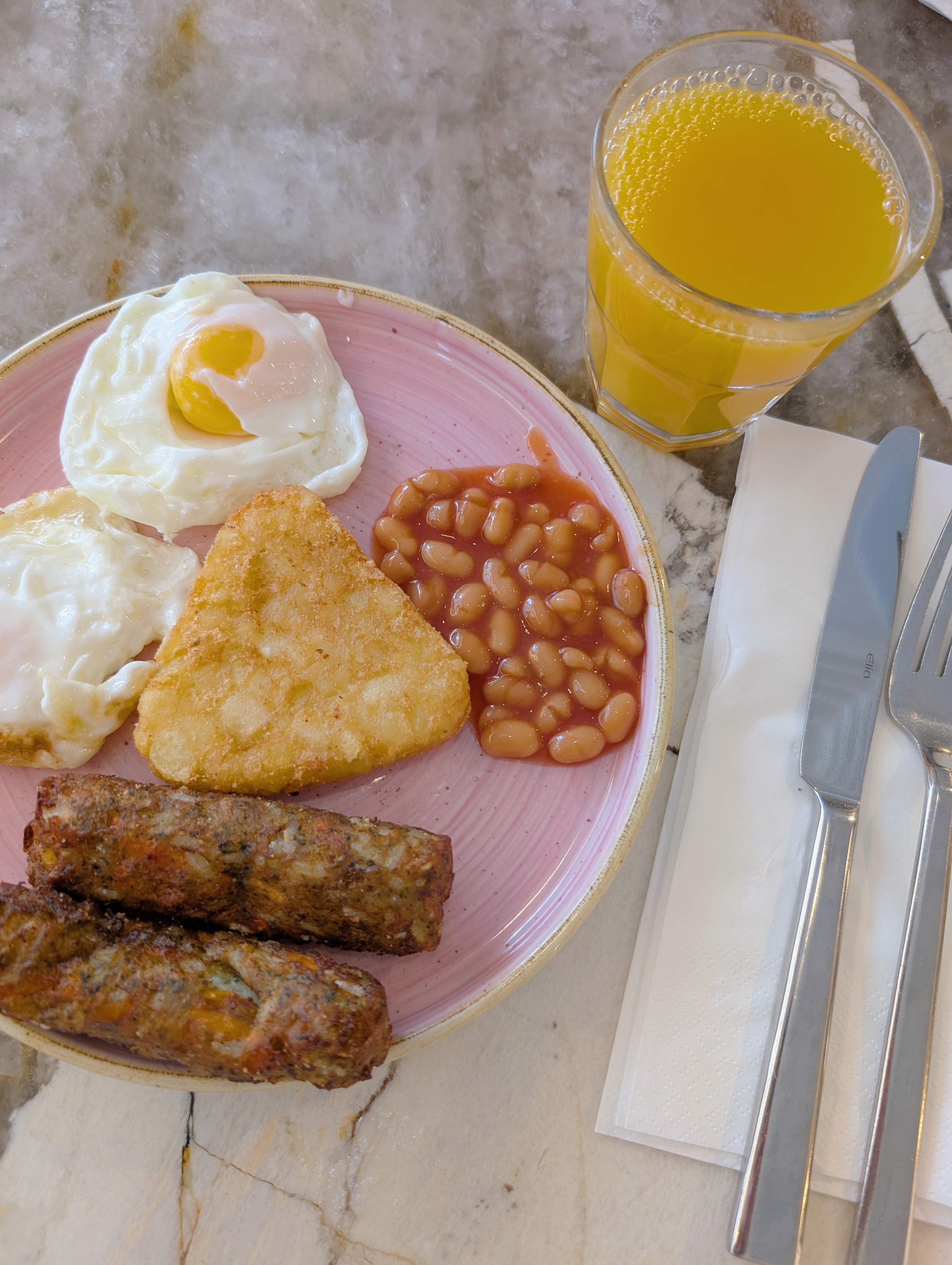
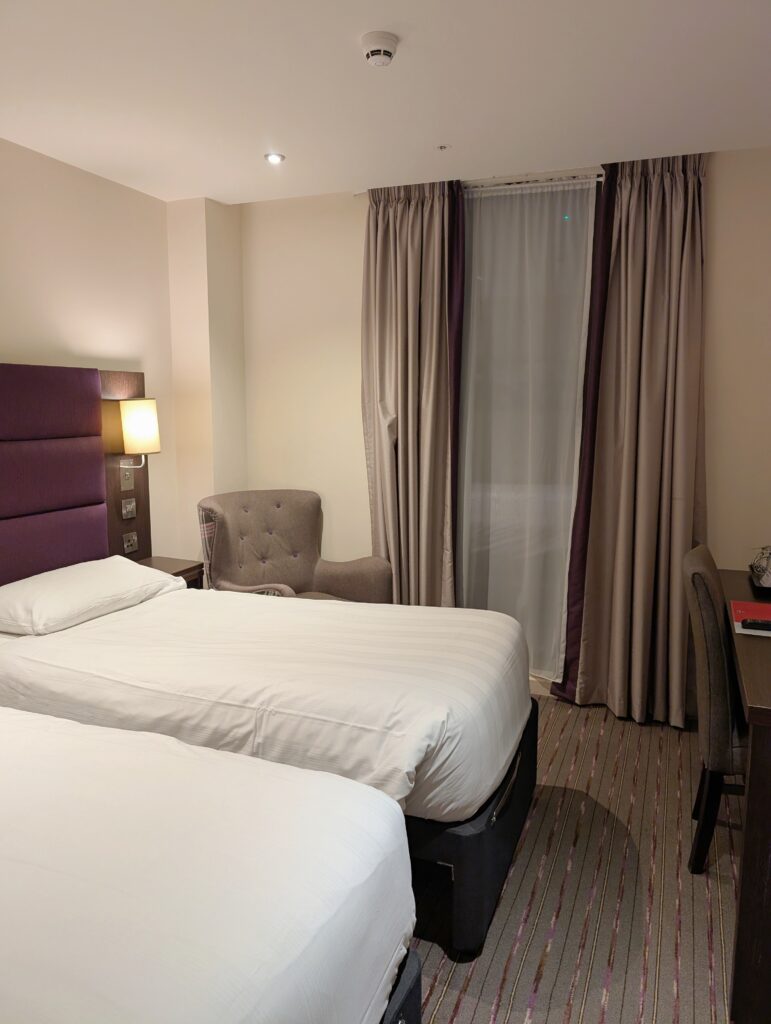
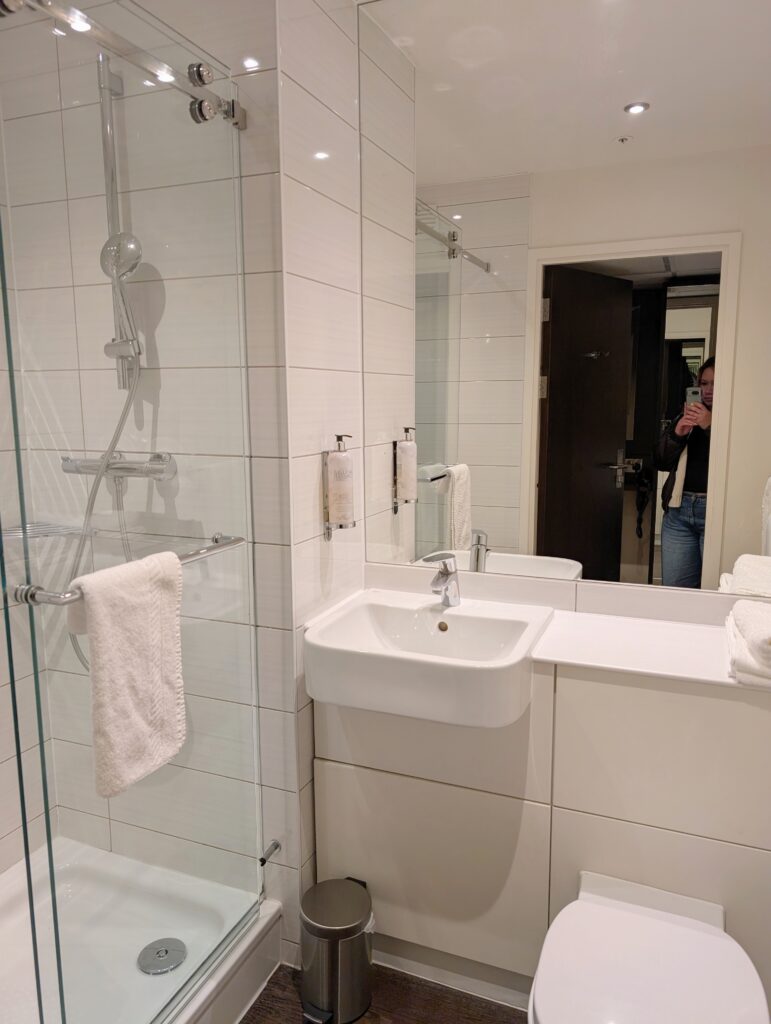
For a no-frills but super convenient stay in central London, the Premier Inn Farringdon is a solid choice. The rooms are clean, simple, and have everything you need, while the breakfast buffet hits the spot with a Full English, pastries, toast, coffee, and juice, all topped up throughout the morning. Prices usually range from £100-£140 per night, making it a reliable budget-friendly option.
The best part? The location. You’re within walking distance of St. Paul’s Cathedral, multiple Tube stations (Farringdon and Barbican), and streets full of pubs and eateries. It’s also an easy hop to the West End or Liverpool Street Station, which is perfect if you’re arriving from Stansted Airport. For a stay that balances comfort, convenience, and value, I’d definitely book here again.
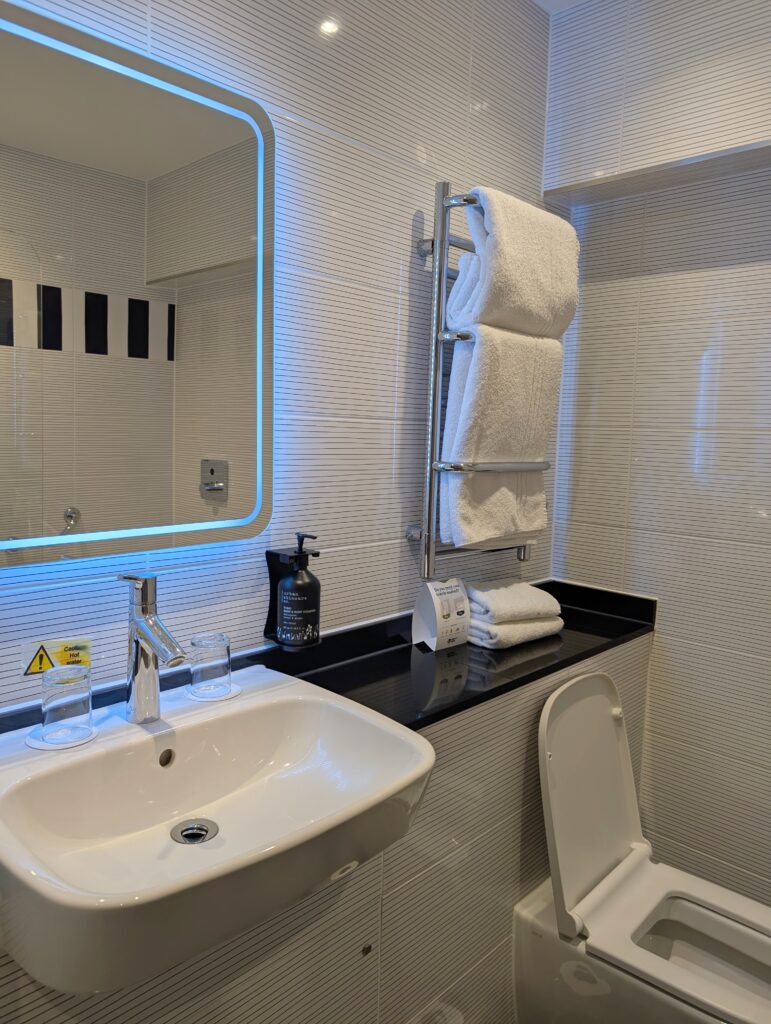
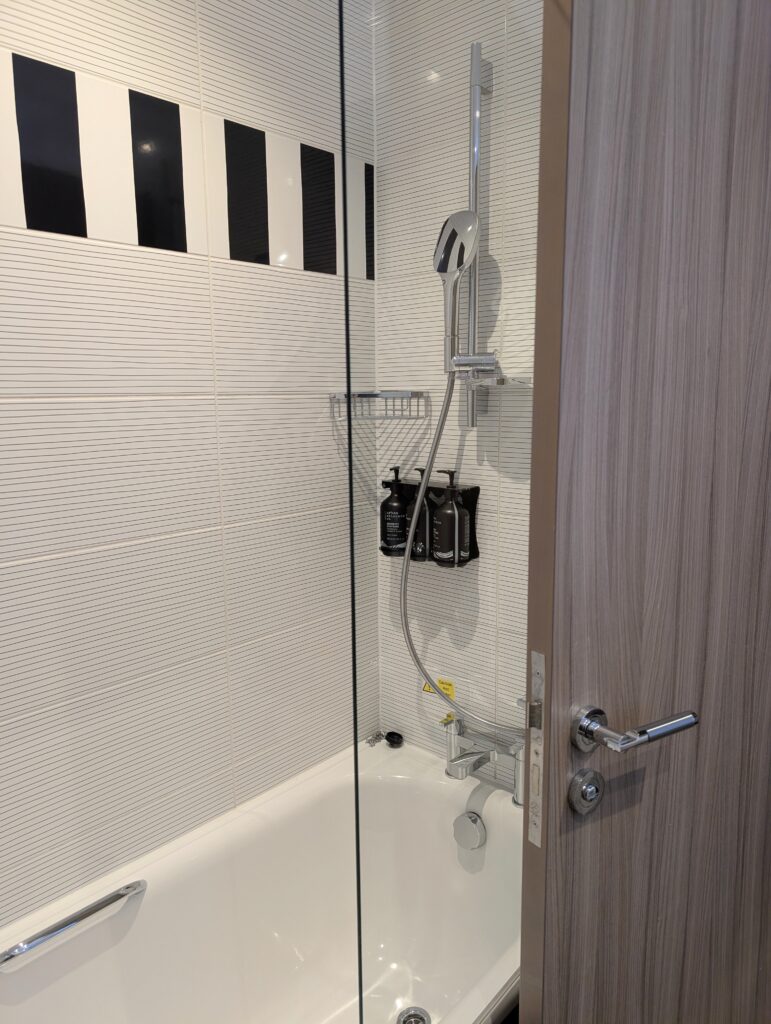
City Sleeper Hotel at The Royal National, Bloomsbury
For a central London base in the heart of Bloomsbury, the City Sleeper Hotel at The Royal National is a solid option. Part of the Imperial London Hotels chain, the recently renovated City Sleeper rooms feel more modern and luxurious than the older rooms, with some extra facilities like baths available on request.
The rooms are comfortable but on the noisier side, as the central location means street and neighbor noise can carry. There’s no air conditioning, so summer visitors may want to consider this. We didn’t book breakfast, and a four-night stay came to around €755. If you’re looking for a quieter alternative with aircon, the Ibis London Earls Court offers similar comfort at a slightly lower price point, though it’s farther from the city center.
Book Your Stay here:
👉 Book your stay at City Sleeper directly here.

Top Things to Do In London
Sightseeing
Notting Hill
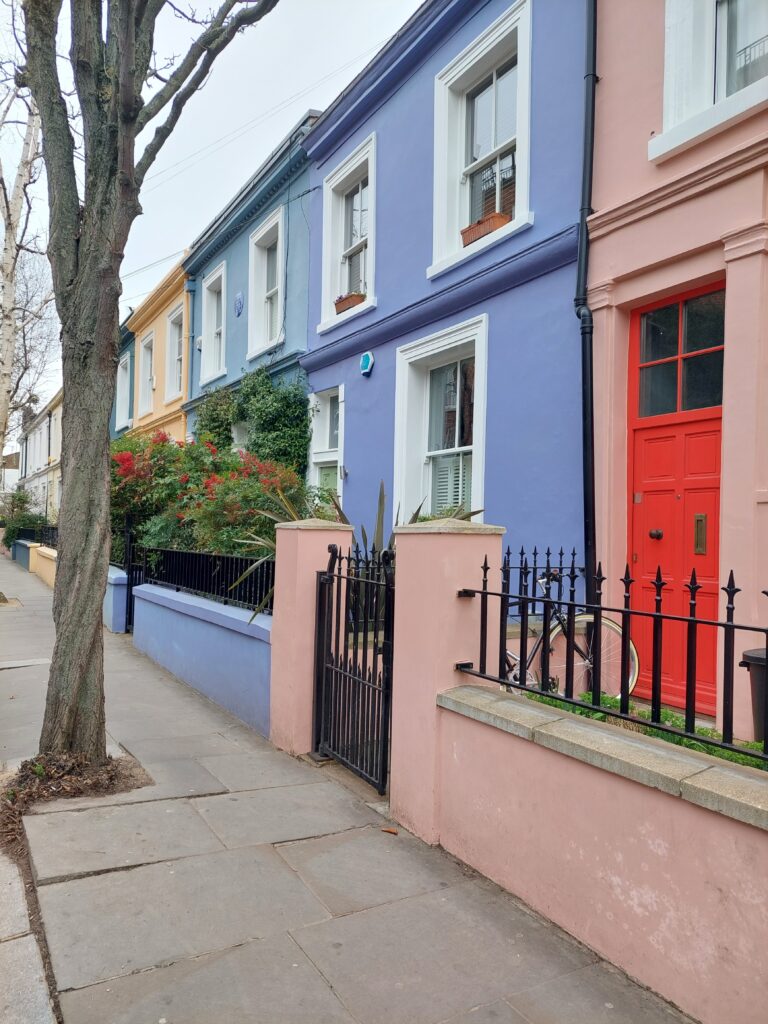
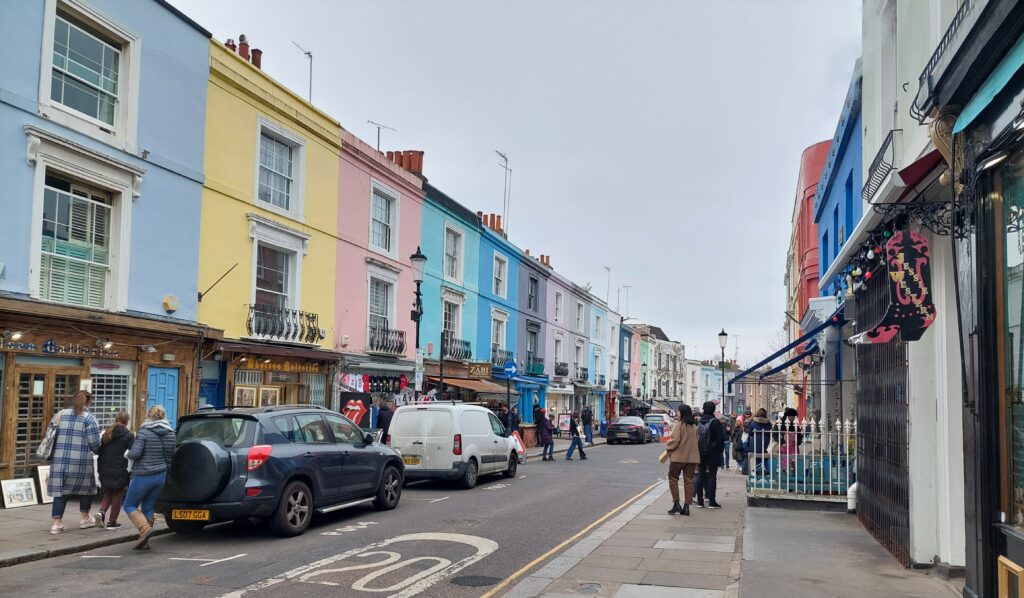
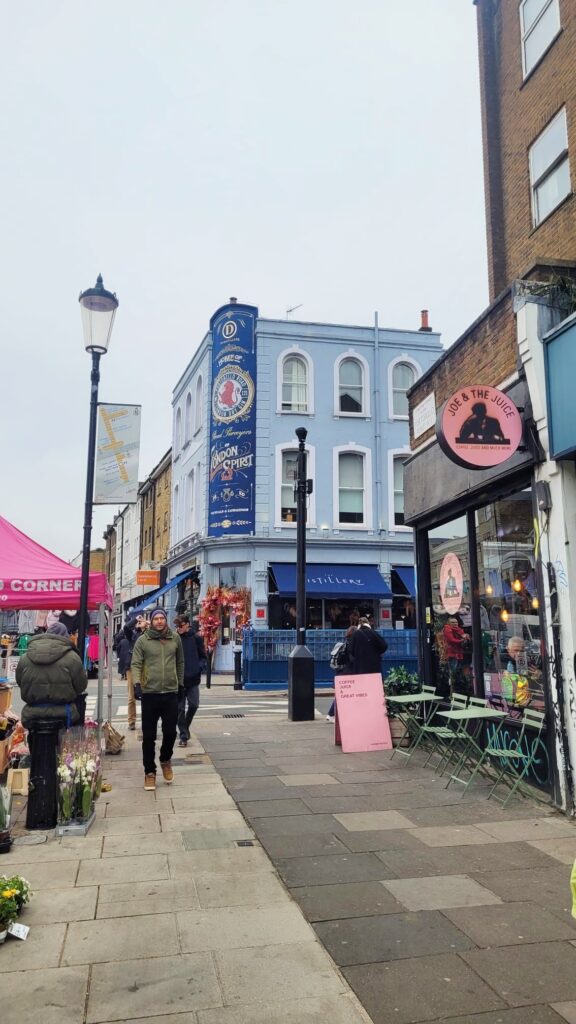
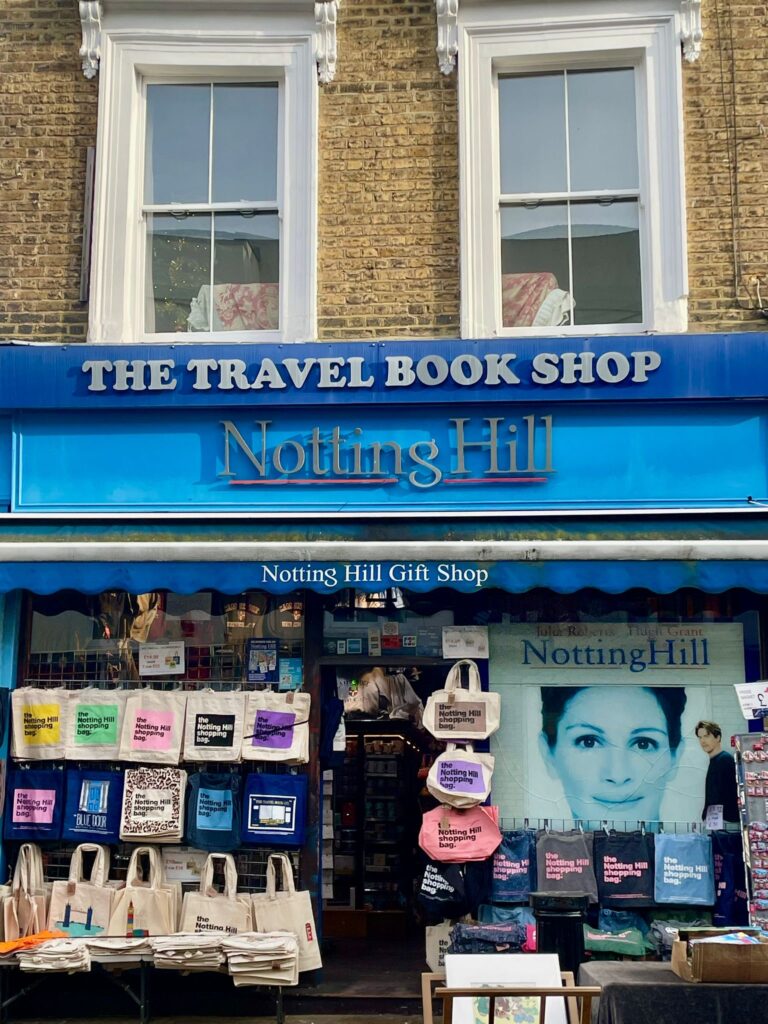
Made famous by the movie Notting Hill, Notting Hill is one of London’s most picturesque neighborhoods. It’s known for its colorful pastel houses, charming streets, independent boutiques, cafés, and the famous Portobello Road Market. While the market is busiest on Saturdays, the area is lovely to explore any day of the week. It’s also one of the best places in London if you’re looking for that classic “cute London neighborhood” vibe.
I always enjoy wandering around Notting Hill, especially on a sunny day. It feels very different from the busy atmosphere of central London, with quieter residential streets and beautiful houses around every corner. Is it a must-see on your very first trip? Maybe not if you’re only in London for a day or two. But if you have a little extra time, enjoy photography, or simply love exploring pretty neighborhoods, I think it’s absolutely worth a visit.
💡 Bug Girl Tip: If you’re visiting on a Saturday, don’t miss Portobello Road Market, one of London’s most famous street markets.
Tower of London
The Tower of London is one of London’s most iconic landmarks, sitting right by the River Thames and Tower Bridge. Built in 1078 by William the Conqueror, this historic fortress has served as a royal palace, prison, treasury, mint, and even a zoo. Today, it’s famous for housing the Crown Jewels, exploring the White Tower’s armor and weapons, and spotting the resident ravens – whose legend says the kingdom will fall if they ever leave.
Visiting the Tower is a mix of history and atmosphere. Tickets can be bought online or on-site (students can get discounts), and it’s just a short walk from Tower Hill station. While the Crown Jewels are a must-see, many visitors enjoy wandering the grounds, tower walls, and medieval areas at their own pace. If time is limited, even just admiring the fortress from outside with Tower Bridge in the background makes for an unforgettable London photo opportunity.
Book Your Tickets Here:
👉 Pro tip: Download the GetYourGuide app here and use my code ”thebuggirladventures5” for 5% off your first in-app booking.
👉 Book it directly here.


Big Ben & Westminster
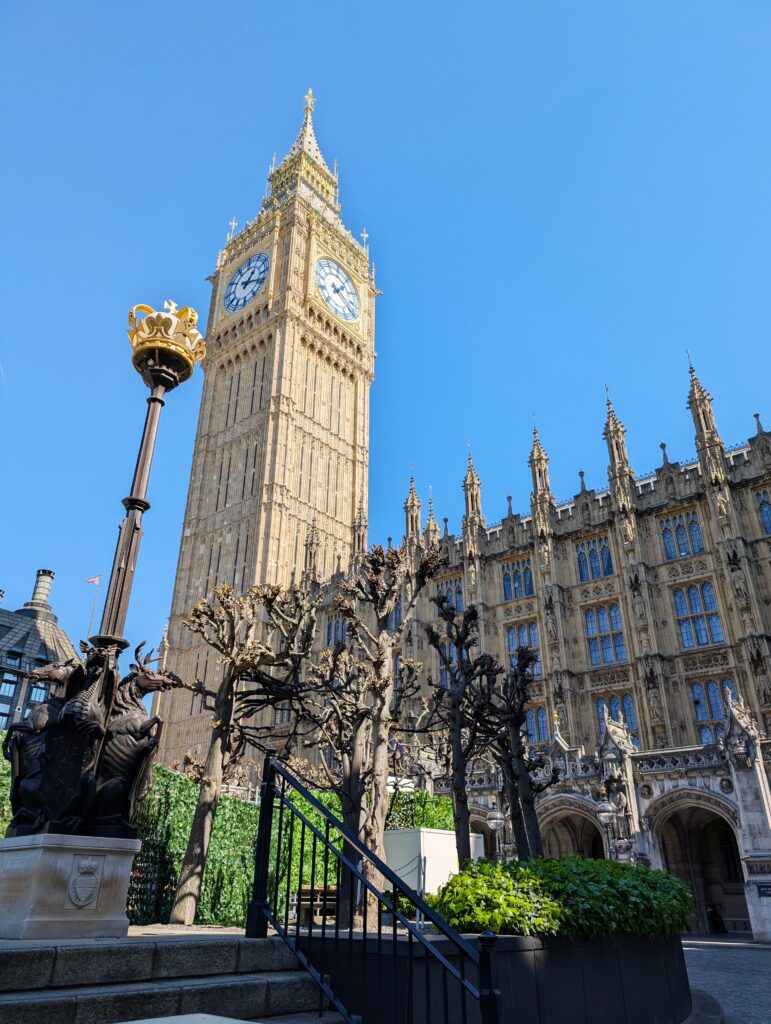
Let’s start with the obvious one: if it’s your first time in London, you simply have to see Big Ben. Whether you’re arriving by Tube at Westminster Station and walking up the stairs to that iconic view or spotting it from across the Thames, it’s one of those landmarks that somehow feels even more impressive in person.
The clock tower (officially called the Elizabeth Tower) sits alongside the Houses of Parliament and has become one of the most recognizable symbols of both London and the United Kingdom. Even if you’re not planning to tour the area, it’s worth taking a few minutes to admire it, snap some photos, and soak up the atmosphere around Westminster.

British Parliament
The Palace of Westminster is home to the UK’s Parliament and one of the country’s most important political buildings. Visitors can join guided tours or explore independently with an audio guide, learning about the House of Commons, the House of Lords, British democracy, and the history of the building itself. The interiors are surprisingly grand, with historic chambers, impressive artwork, and stunning architecture.
I’ll admit, I wasn’t expecting to enjoy this one as much as I did. I thought it might be a bit dry, but the audio guide was excellent and made everything easy to follow. Even if you’re not a politics expert, it’s fascinating to learn how the British political system works while exploring such an iconic building.


Chinatown
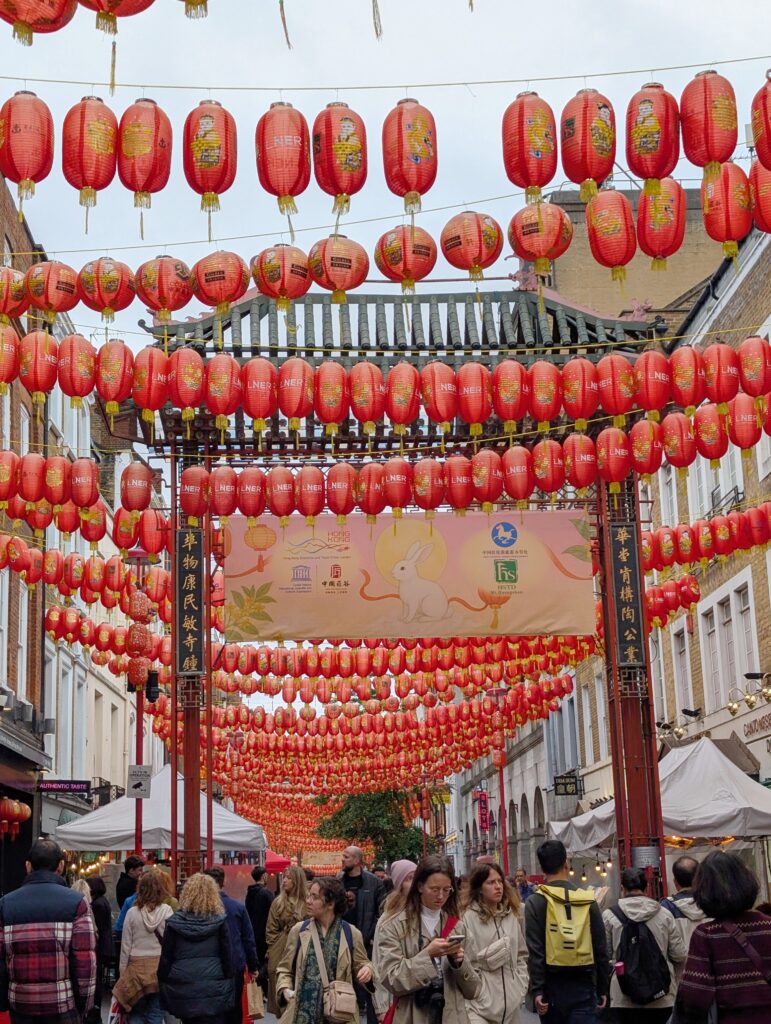
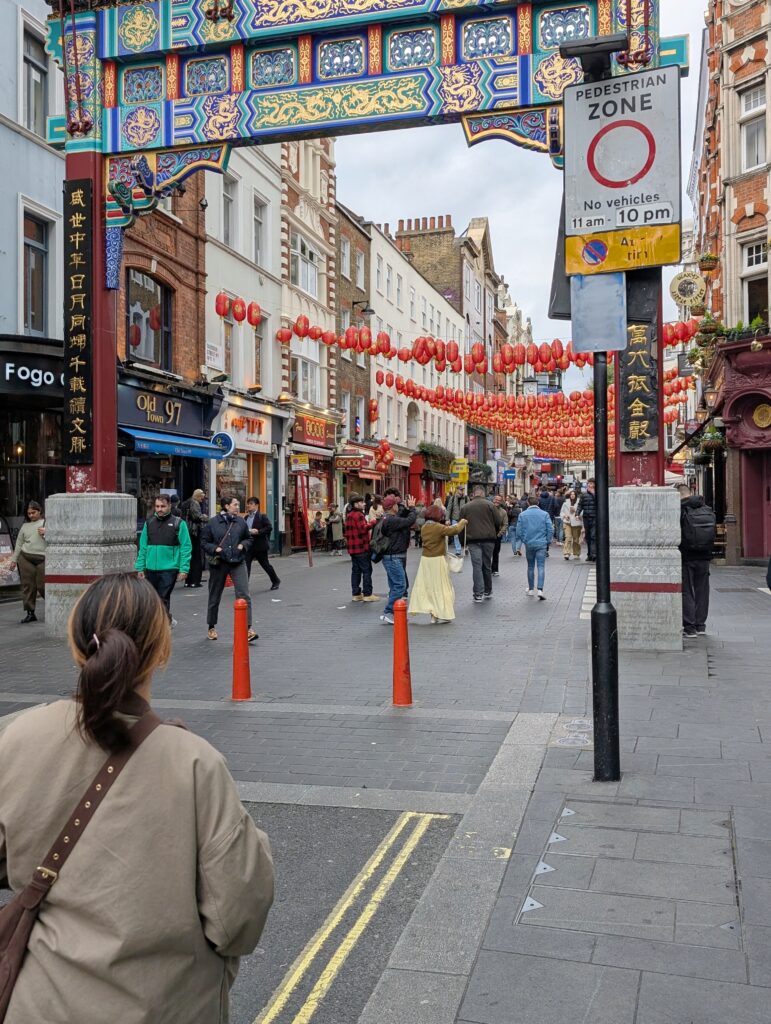
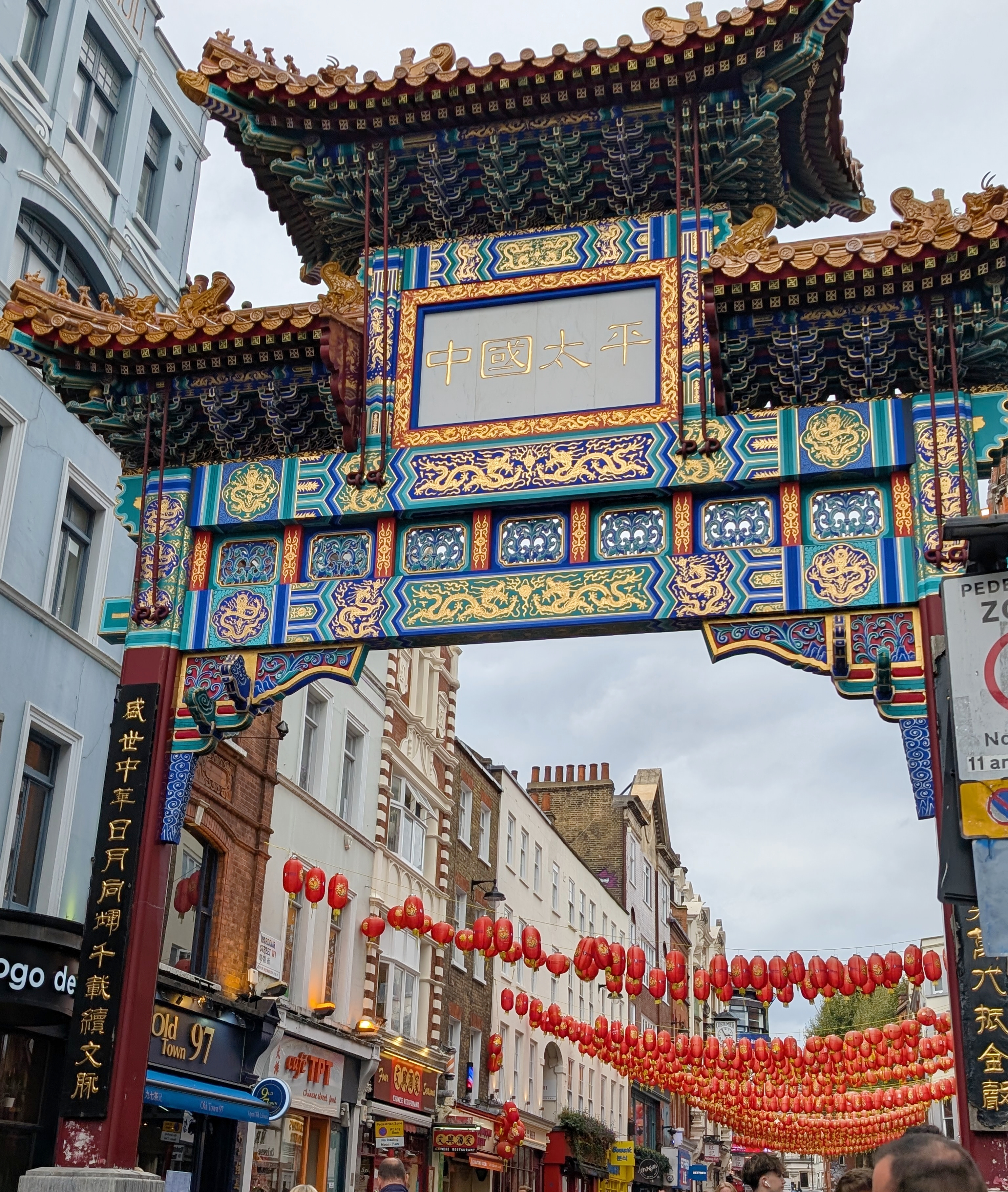
Located just off Leicester Square and Piccadilly Circus, London’s Chinatown is a vibrant neighborhood packed with Asian restaurants, bakeries, bubble tea shops, supermarkets, dessert cafés, and specialty stores. It’s especially popular for Chinese, Japanese, Korean, and other East Asian cuisines, and the colorful gates and lantern-covered streets make it one of the most recognizable areas of central London.
I absolutely love Chinatown and visit almost every time I’m in London. Whether I’m hunting for bubble tea, browsing Korean beauty stores, or grabbing dinner after a day of sightseeing, I always end up here. It’s busy, lively, and full of amazing food options.

Kensington Palace
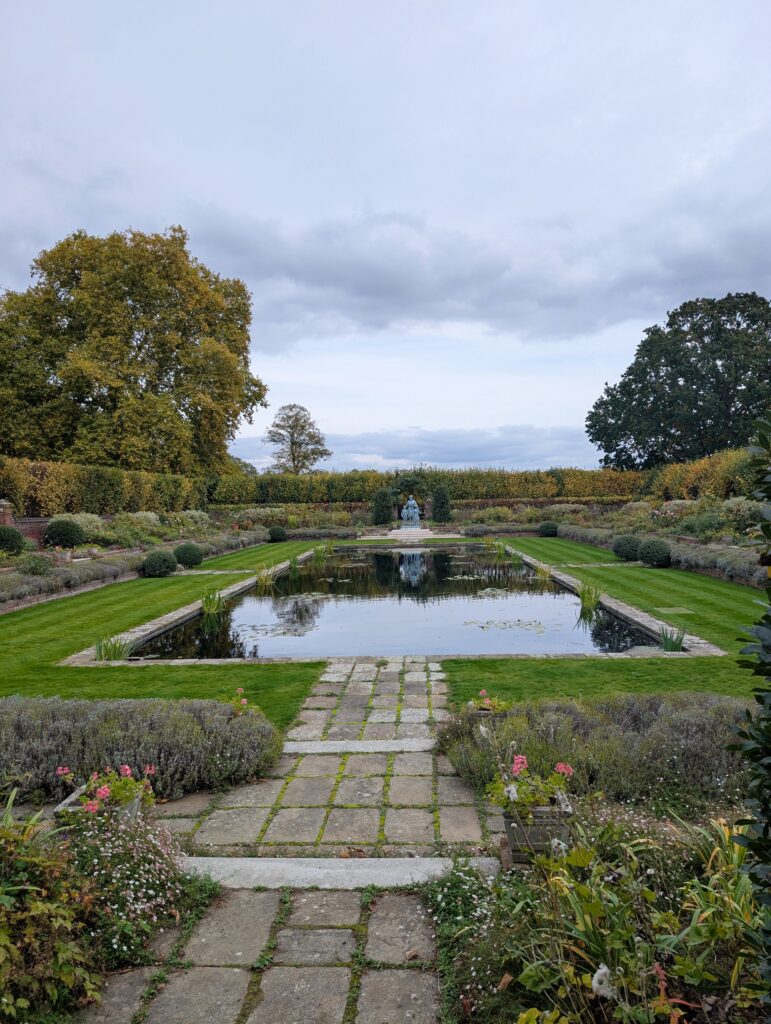
Kensington Palace often gets overshadowed by Buckingham Palace, but honestly, I ended up enjoying my visit much more than I expected. Located on the edge of beautiful Kensington Gardens, this historic royal residence has been home to generations of royals, including Queen Victoria, and is still an official residence of members of the royal family today.
Inside, visitors can explore the magnificent King’s State Apartments and Queen’s State Apartments, which are filled with lavish rooms, historic artwork, and fascinating stories about royal life. One of the highlights is learning about the young Queen Victoria, who spent much of her childhood here before becoming queen at just 18 years old. The palace also regularly hosts special exhibitions featuring royal fashion, jewelry, and items from the Royal Collection.
What surprised me most was how enjoyable the included audio guide was. It added so much context to the rooms and stories, making the visit feel much more immersive than simply walking through the palace on your own. Combined with a stroll through Kensington Gardens afterwards, it made for a really lovely half-day activity.
Is it a must-see on your very first London trip? Probably not. But if you’ve already ticked off the major sights or you’re interested in royal history, I think it’s definitely worth visiting. I left pleasantly surprised and would happily return for future exhibitions.


St. Pauls Church
With its enormous dome dominating the London skyline, St. Paul’s Cathedral is one of the city’s most famous landmarks. The cathedral has hosted royal weddings, state funerals, and national celebrations throughout British history. Visitors can explore the cathedral interior, climb to the Whispering Gallery, Stone Gallery, and Golden Gallery, and enjoy panoramic views over London.
I’ve never actually gone inside myself because, as a student traveller, the ticket price has always felt a little steep for my budget. That said, even seeing it from the outside is worth it. Every time I walk past, I’m amazed by how impressive it looks, especially when the dome suddenly appears between the surrounding buildings.

Museums
Natural History Museum
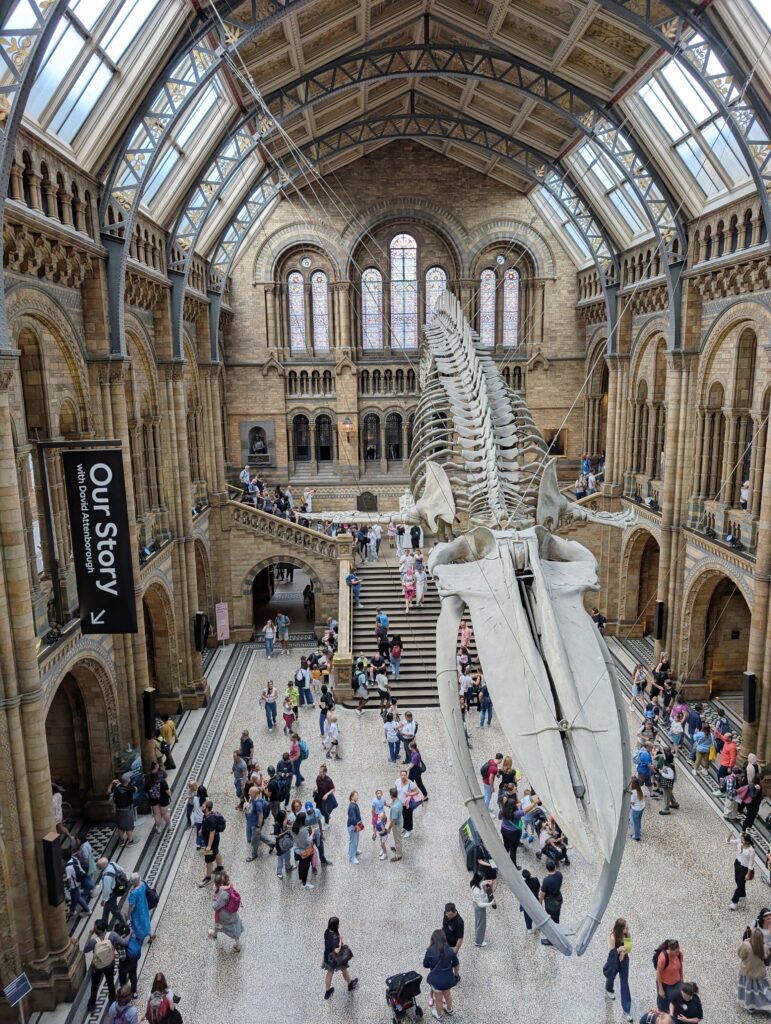
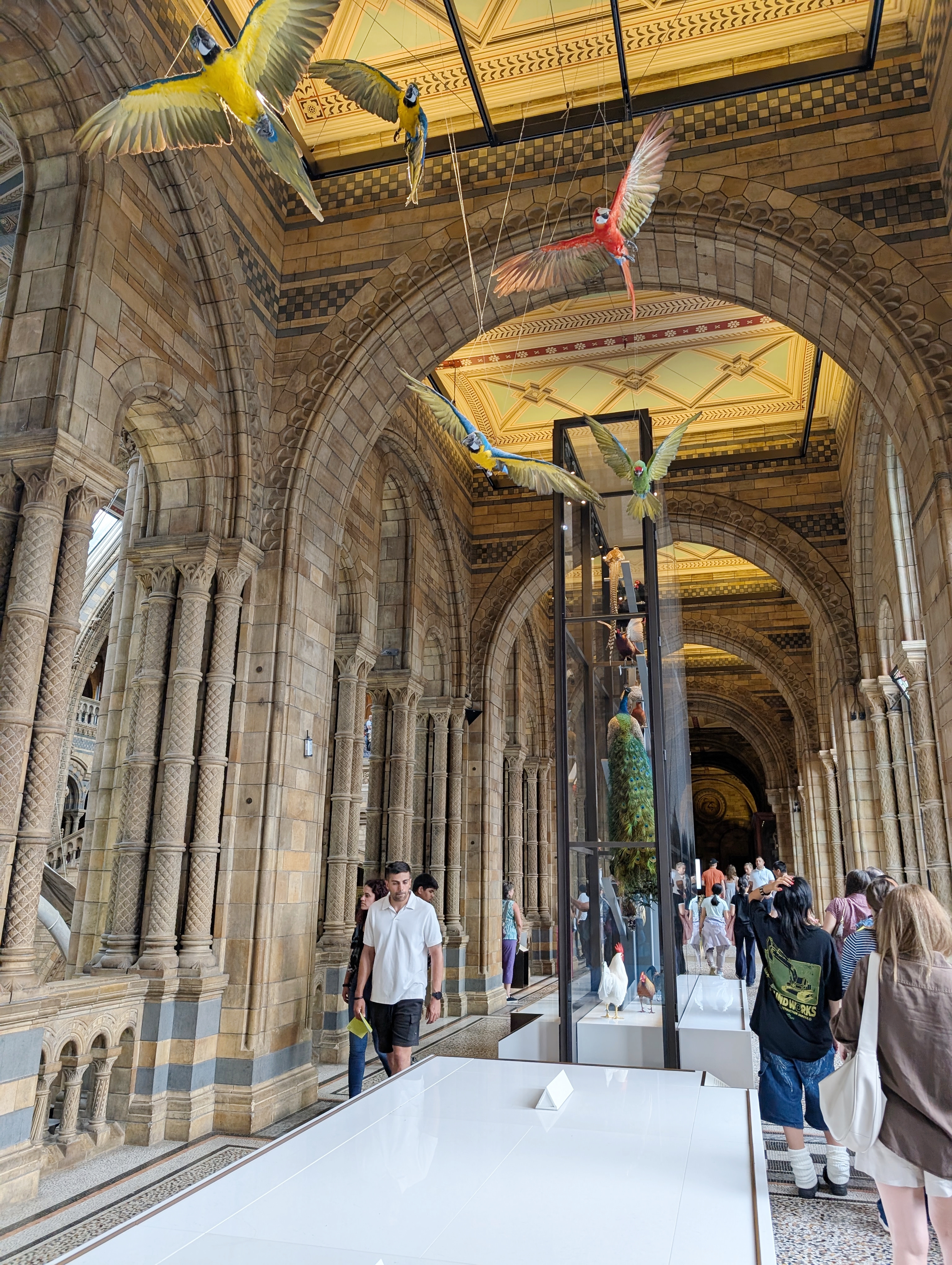
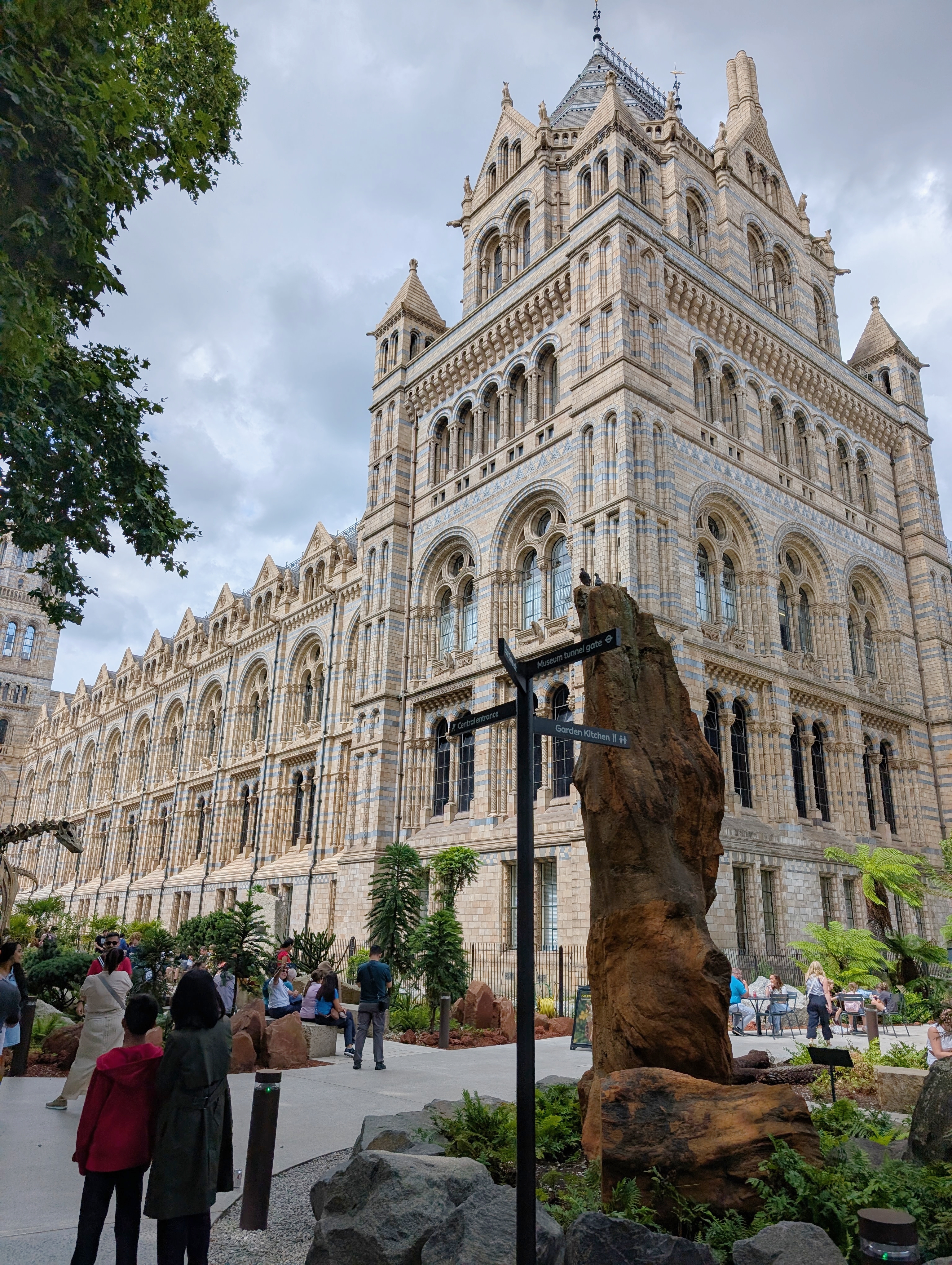
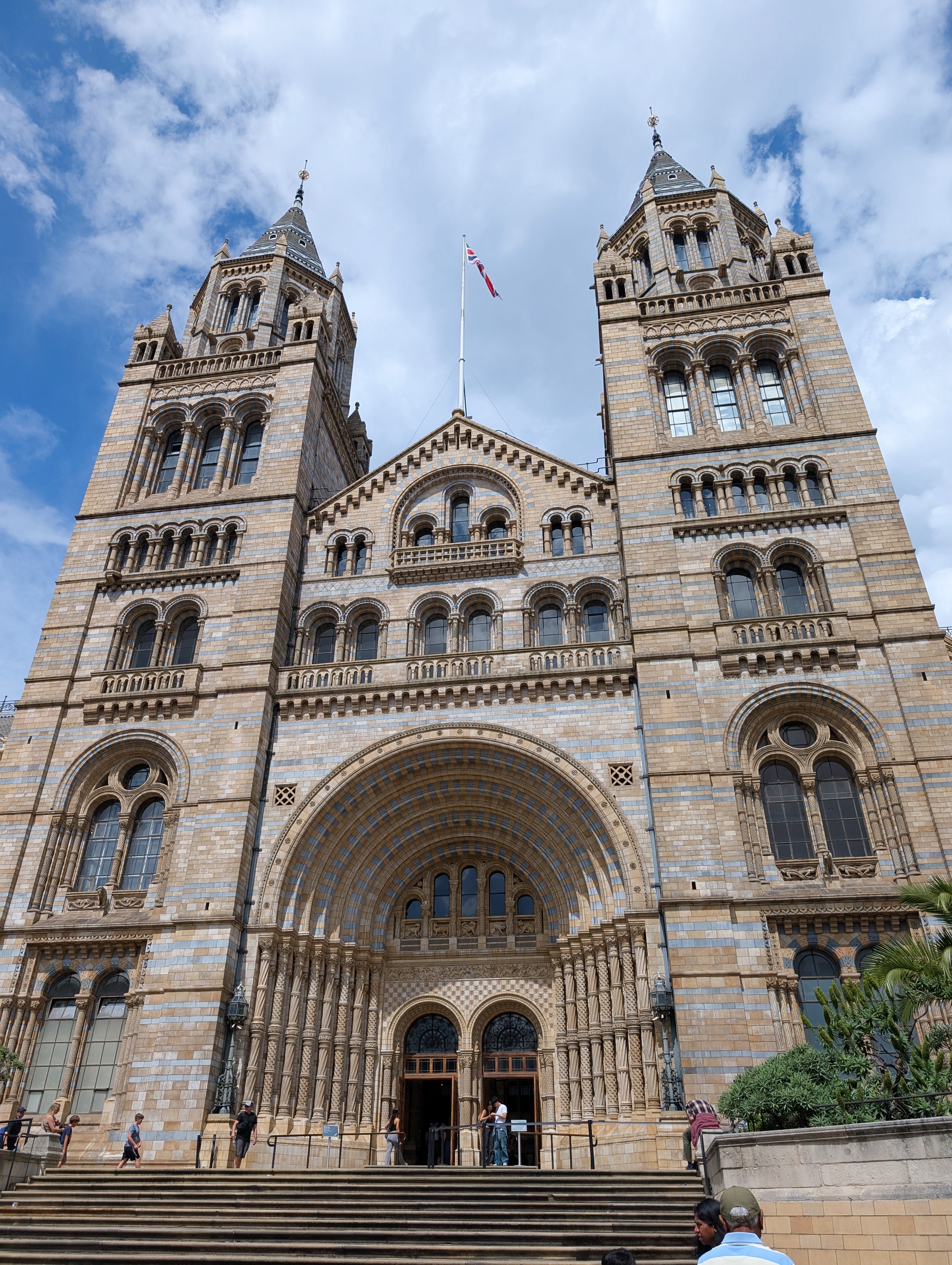
If you’re into dinosaurs, gems, or just a jaw-dropping building, The Natural History Museum is the perfect stop. Located in South Kensington, it’s as impressive on the outside as it is inside. The central Hintze Hall with the enormous blue whale skeleton is iconic, and the dinosaur galleries never fail to wow visitors of all ages. Beyond the fossils, the museum is full of interactive exhibits, minerals, and specimens from across the natural world.
Entry is free, and there’s something for everyone, perfect for a rainy day in London. It’s especially great if you’re traveling with kids or just enjoy immersive, hands-on learning experiences. Plan for a few hours at least; there’s more to see than you might expect, and each gallery feels like a mini adventure through nature and science.
The British Museum
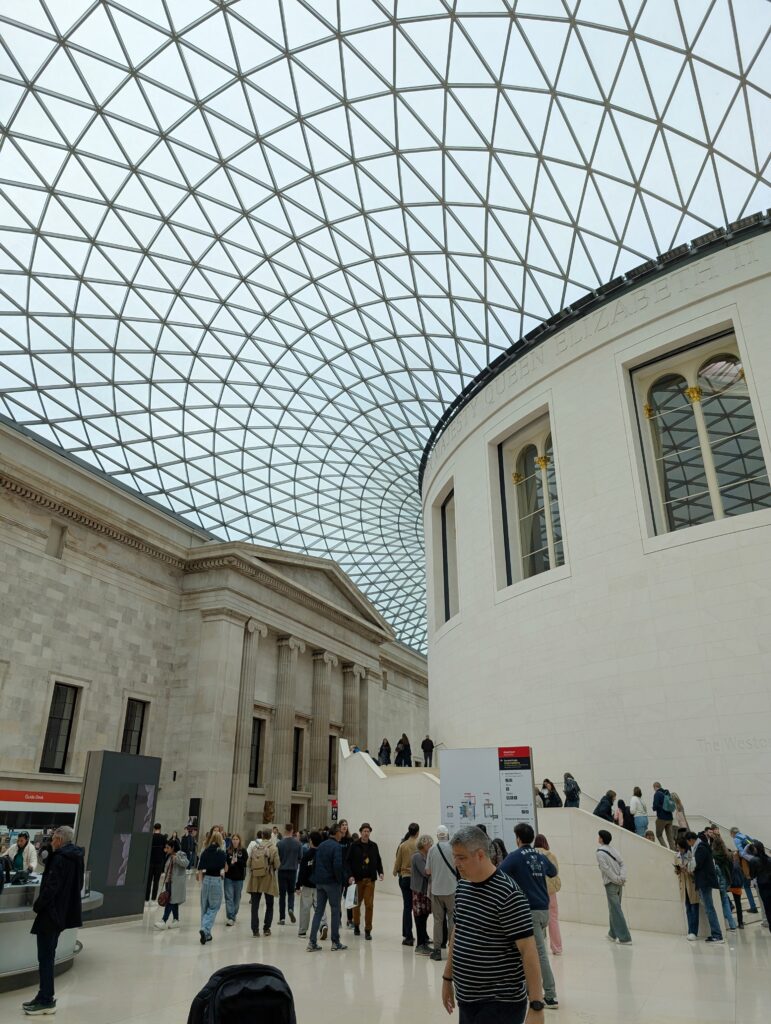
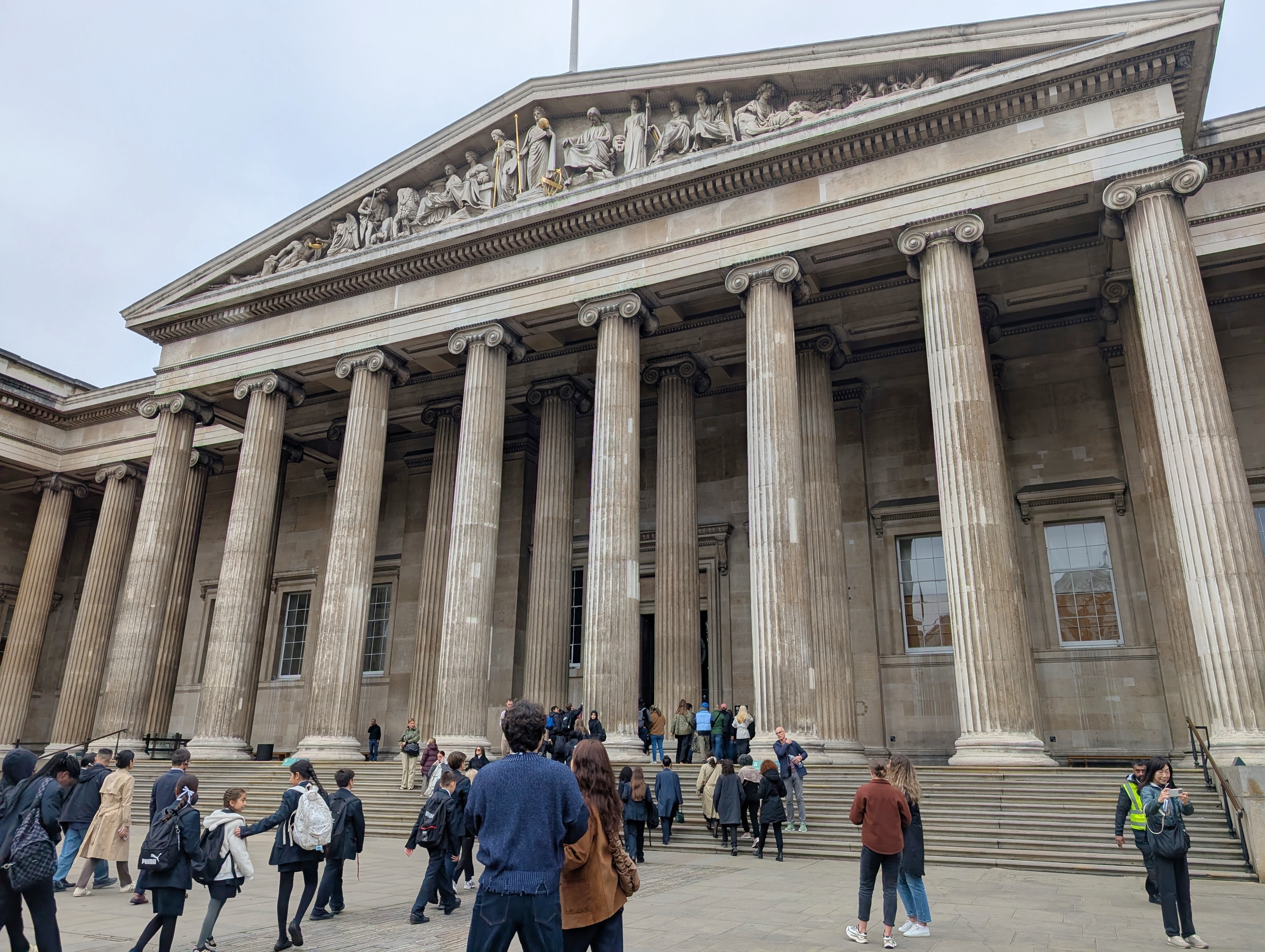
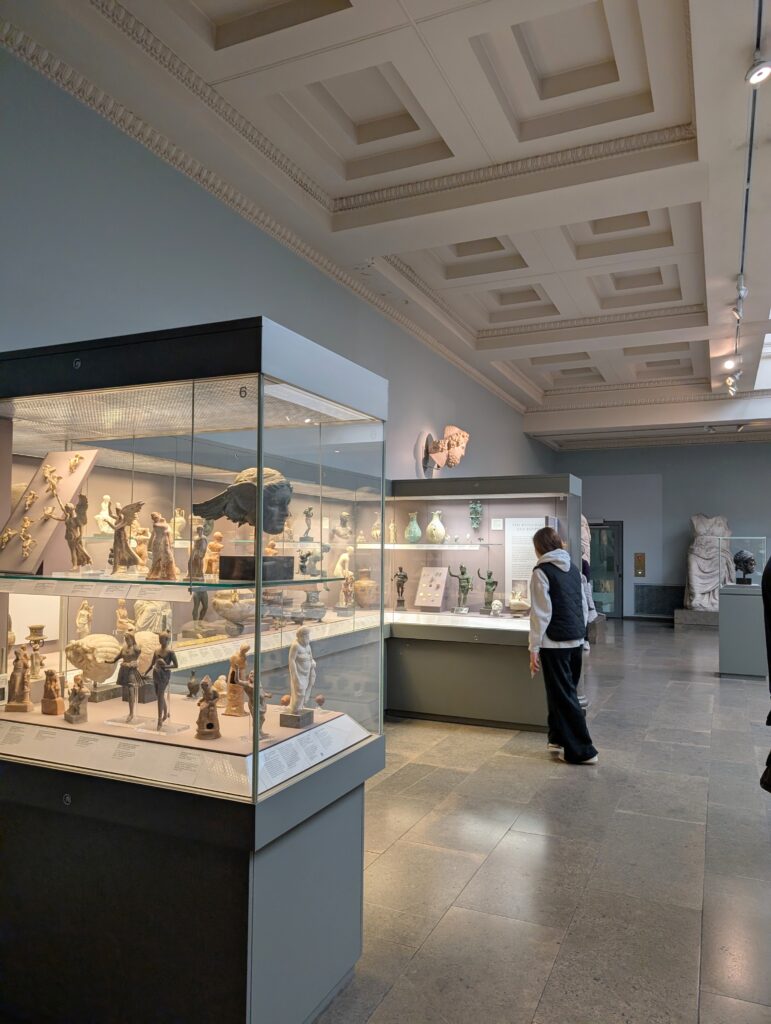
One of London’s most famous cultural landmarks, The British Museum is a must-visit for any history or art lover. From the Rosetta Stone to the Elgin Marbles, Egyptian mummies, and artifacts from across the globe, it’s a treasure trove spanning thousands of years. The museum is massive, so it’s easy to feel overwhelmed, but that’s also part of the fun. You can focus on a few sections you love, or wander freely and stumble upon unexpected gems.
Entry is free (though special exhibitions sometimes have a small fee), and it’s open daily. My tip: try to go early in the morning or later in the afternoon to avoid the peak crowds. With so many rooms and halls, comfy shoes are a must – and a few hours can fly by before you even notice. If you love history, culture, or just awe-inspiring displays, the British Museum is a classic London experience.

Sir John Soane’s Museum
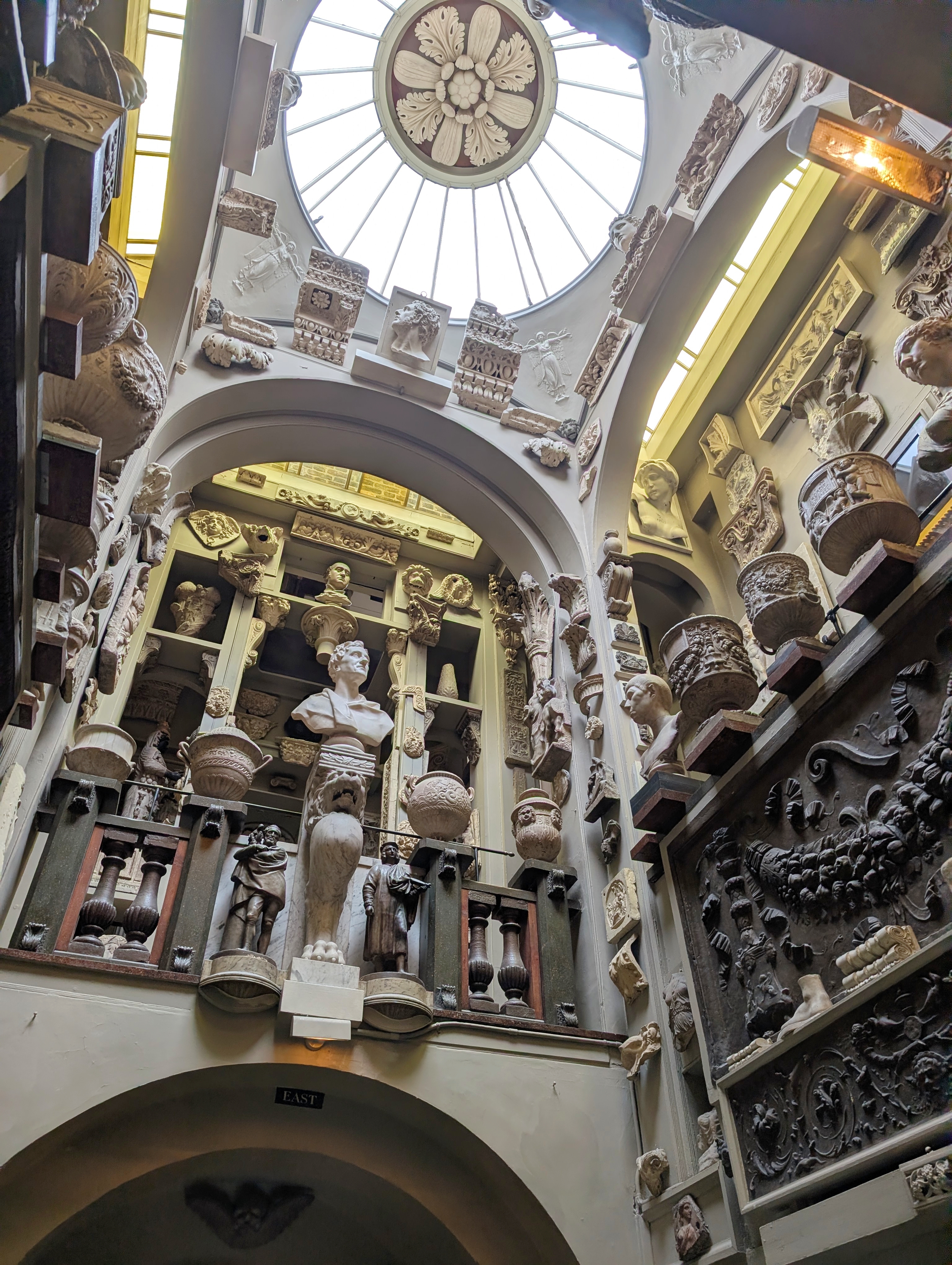
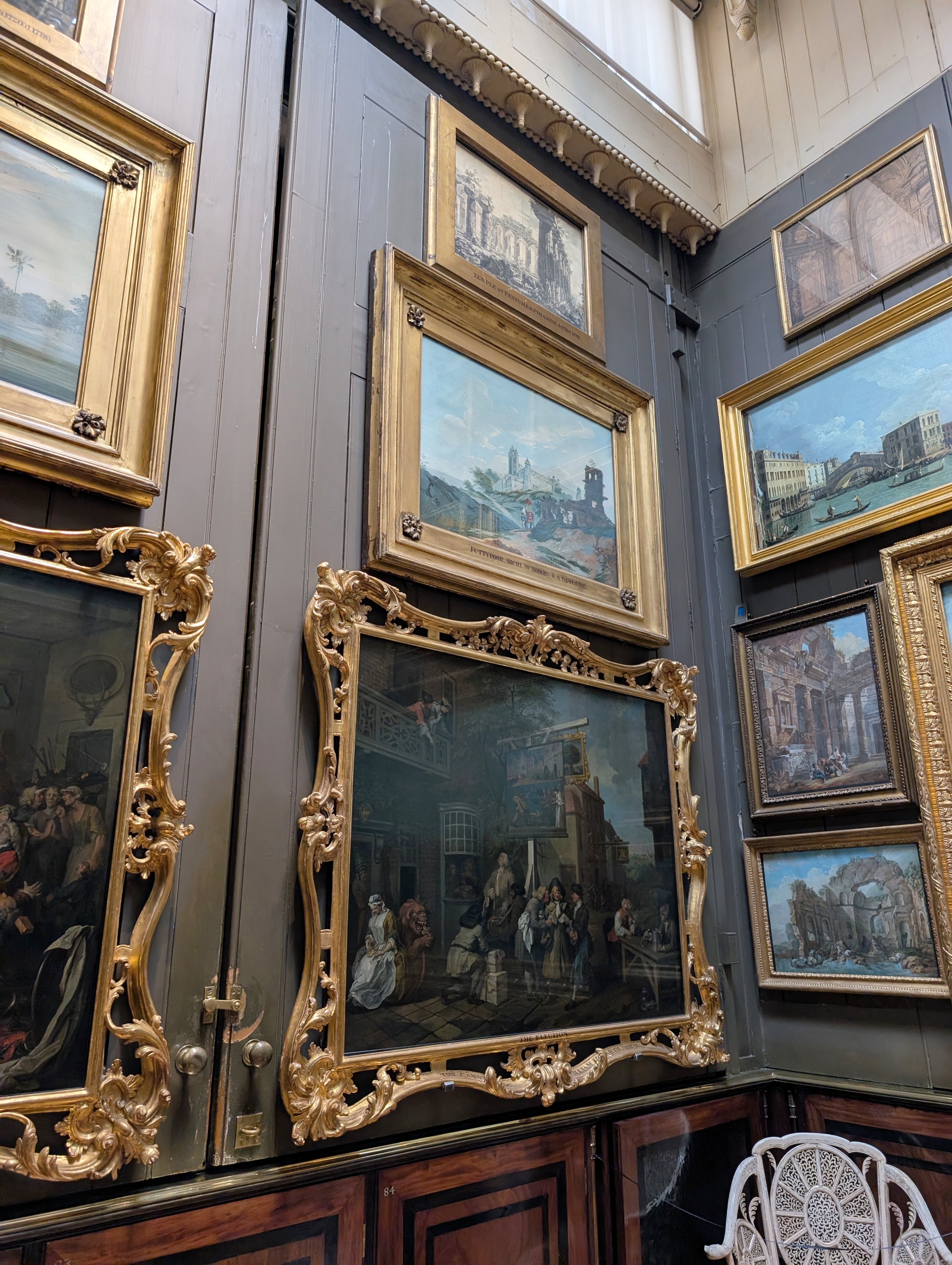
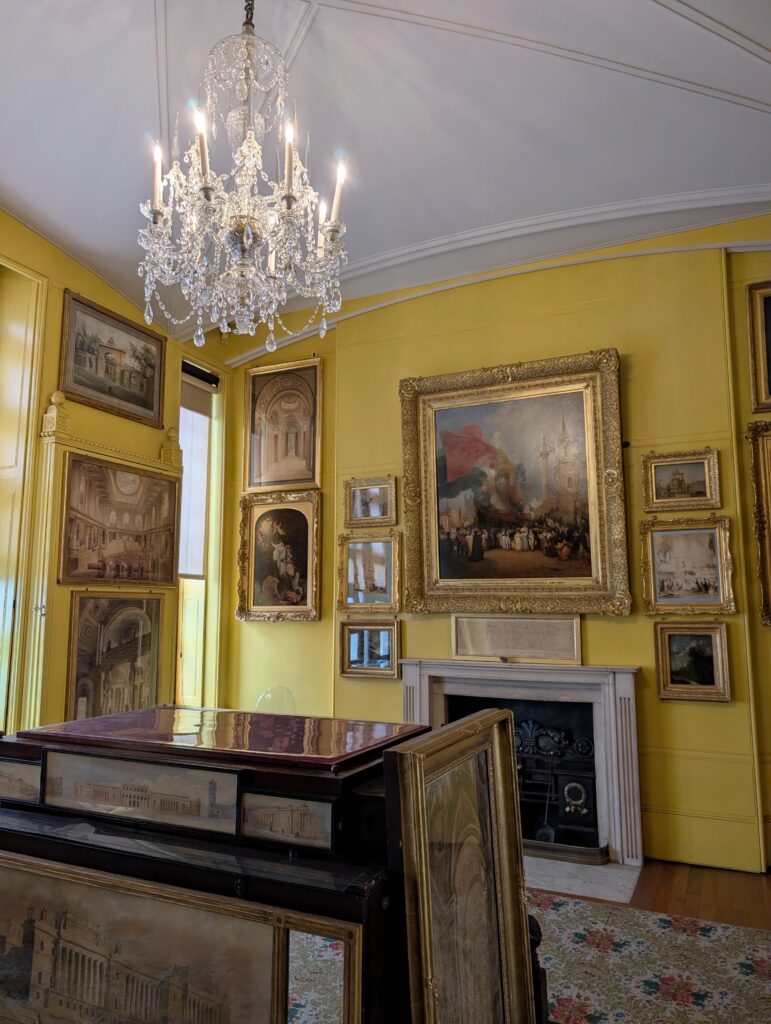
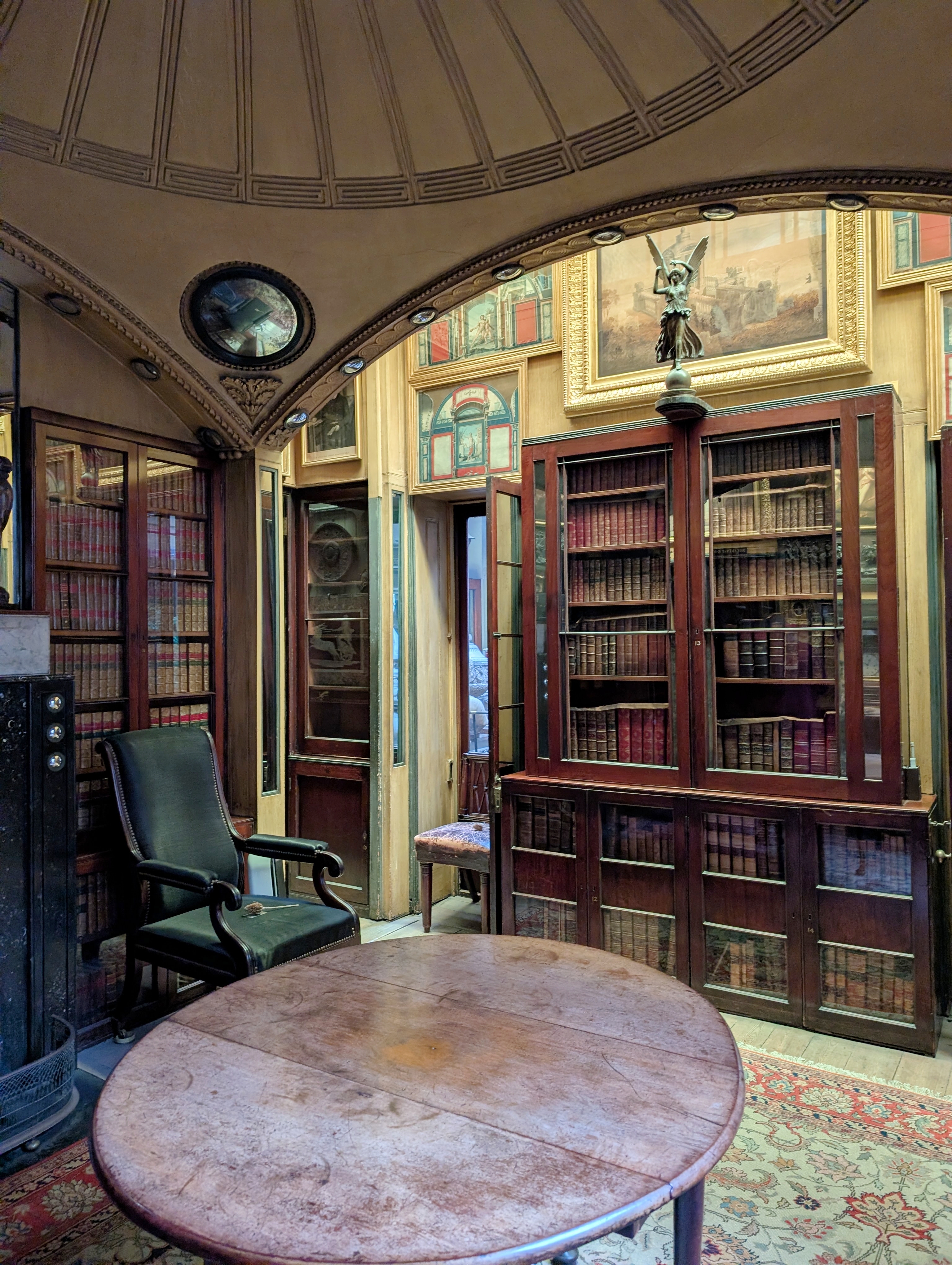
Tucked away in Holborn, Sir John Soane’s Museum is one of London’s quirkiest and most enchanting museums. Housed in the former home of the neoclassical architect Sir John Soane, it’s a labyrinth of tight rooms packed with art, architectural models, antiquities, and curiosities he collected during the 1800s. From Roman sculptures to dramatic paintings, rare books, and even his own sarcophagus (!), every corner feels like a hidden treasure waiting to be discovered.
Entry is free, though we picked up a £3 guide to help navigate the winding rooms and learn the stories behind the collections. The museum is small but incredibly atmospheric, with a cozy, almost magical feel, making it perfect for an early morning visit before the crowds arrive. If you love history, architecture, or just quirky London gems, this one is a must-see.
The National Gallery
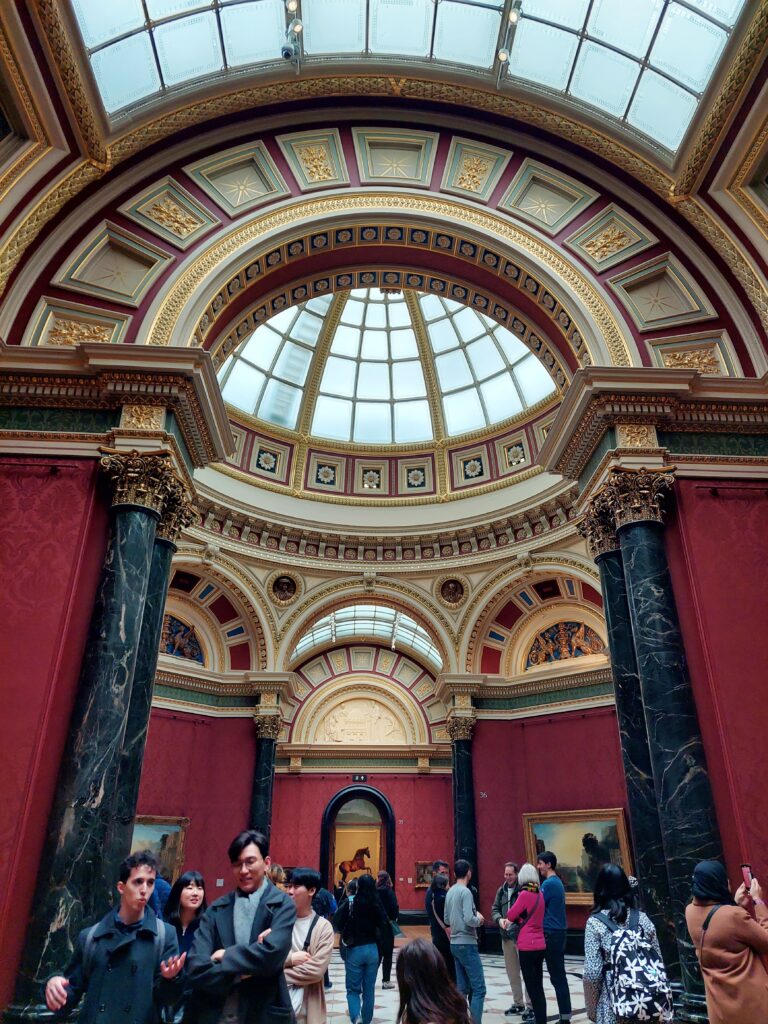
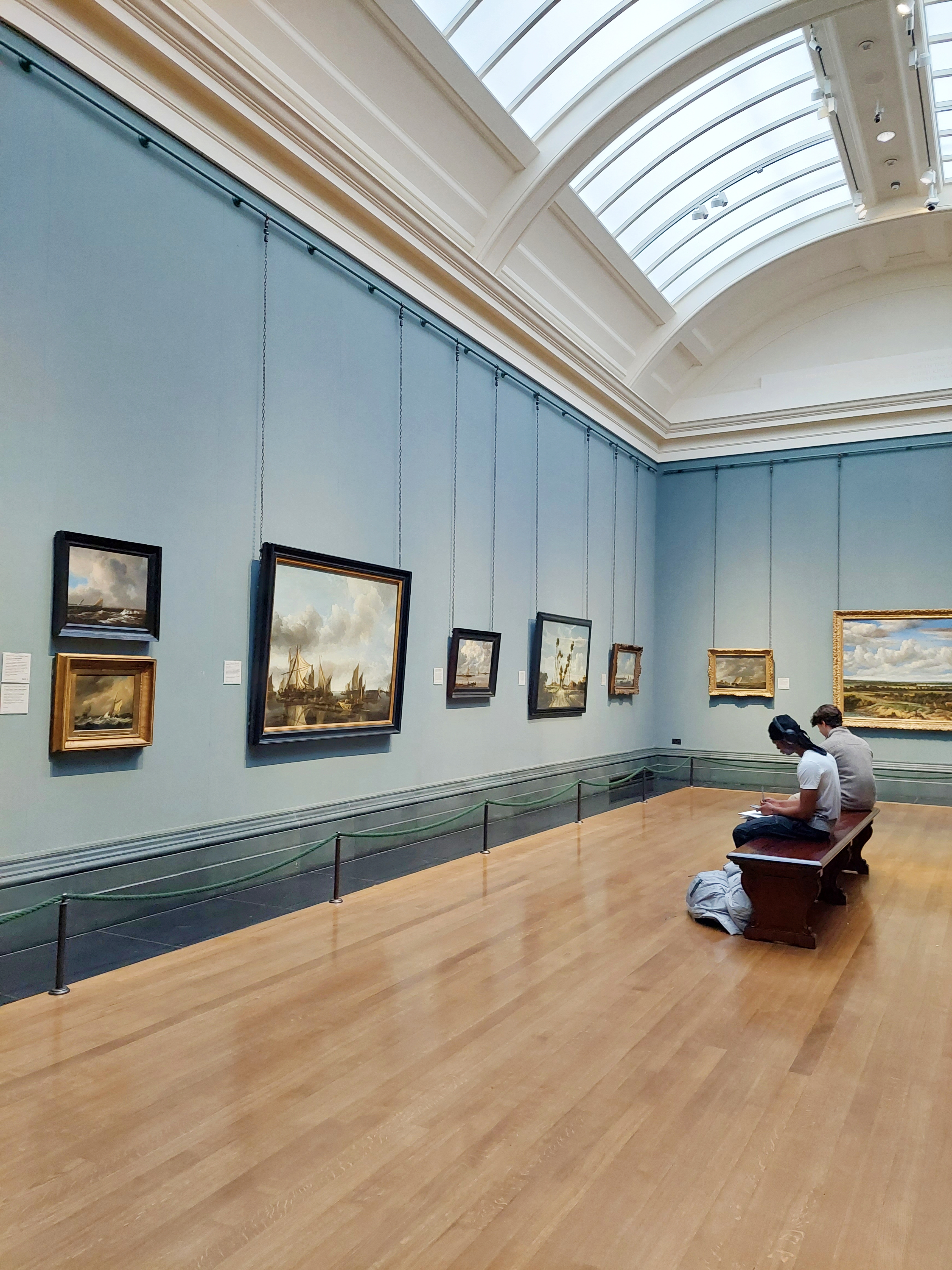
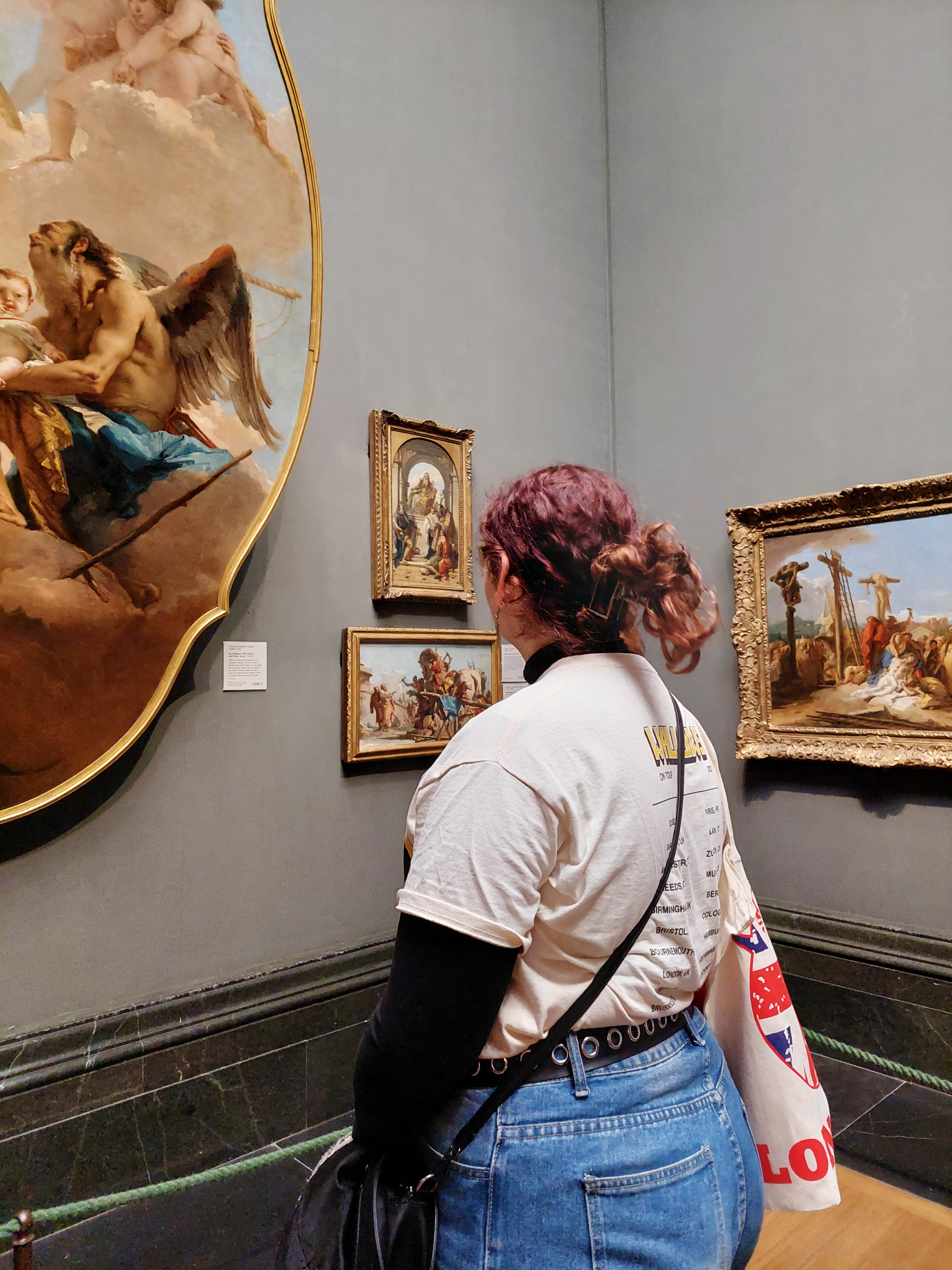
Located in the heart of Trafalgar Square, the National Gallery is a paradise for art lovers. Housing over 2,300 paintings dating from the mid-13th century to the early 20th century, it’s home to masterpieces by Van Gogh, Da Vinci, Botticelli, Turner, and more. Whether you’re into Renaissance art, impressionism, or just want to marvel at some of the most famous paintings in the world, this museum delivers.
Entry is free, though special exhibitions may have a ticket fee. Tip: the gallery can get busy, especially on weekends, so early mornings or weekday visits are ideal. Don’t try to see everything in one go – pick a few rooms or artists you love and explore at a relaxed pace. With its central location, it’s easy to pair a visit with a stroll through Trafalgar Square or a coffee nearby. Even if you’re not a hardcore art fan, the grandeur of the building and the iconic works make it worth popping in.
British Library: Treasures Gallery
Hidden inside the iconic British Library near St Pancras, the Treasures Gallery is a small but absolutely fascinating museum space that showcases some of the world’s most remarkable manuscripts, rare books, and historical documents. From original Beatles lyrics to Shakespeare’s first folios, illuminated medieval manuscripts, and letters by Jane Austen, this gallery is a true celebration of words, music, and history.
Entry is free, and it’s a perfect stop if you’re in the area or waiting for a train. The space is compact, so it doesn’t take long to explore, but each display is packed with stories – it’s like peeking into the past through handwritten pages. When we visited, a lot of pieces were missing from the collection, so there wasn’t as much to see as we’d hoped, but fingers crossed you’ll have better luck when you go! Be sure to check out the rotating exhibits, because the British Library often highlights new treasures connected to modern music, literature, and global culture.


Markets
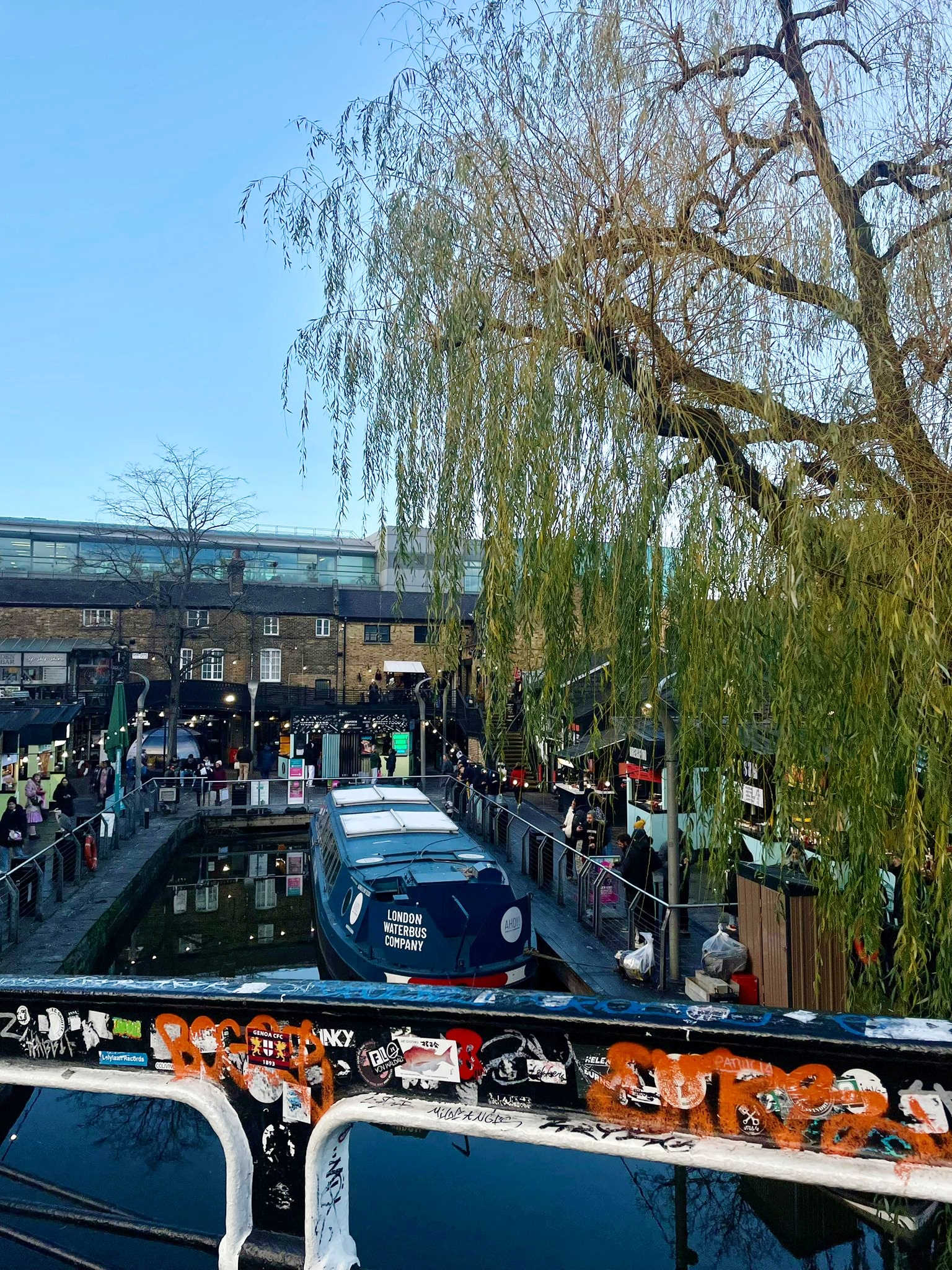
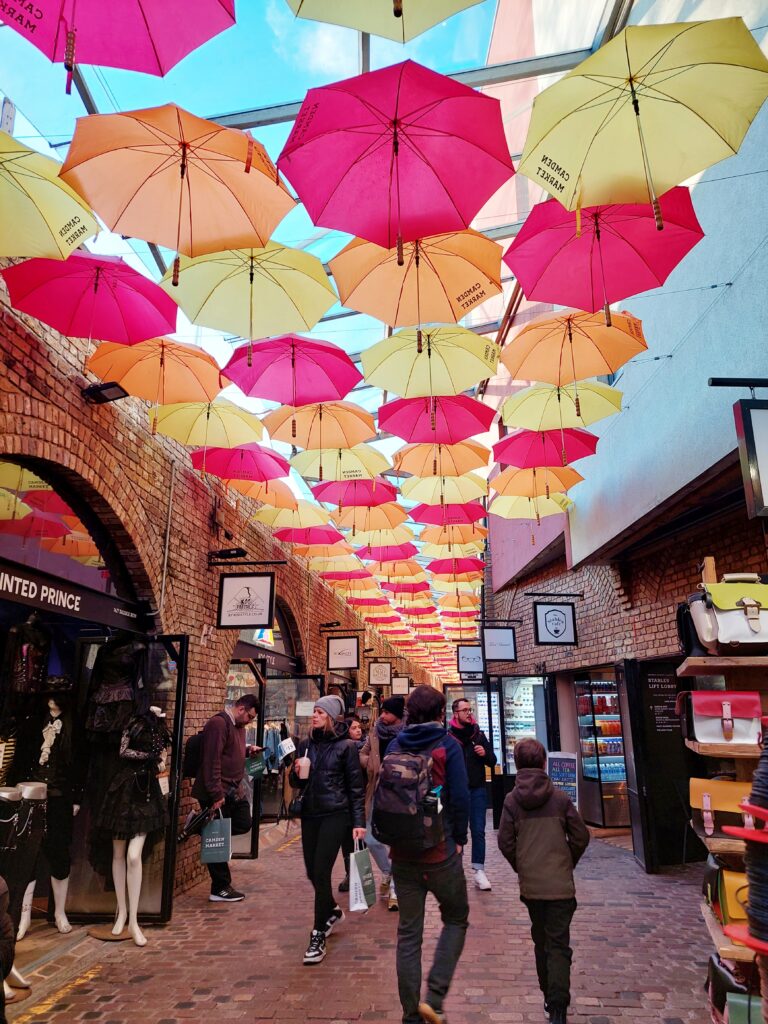
Camden Market
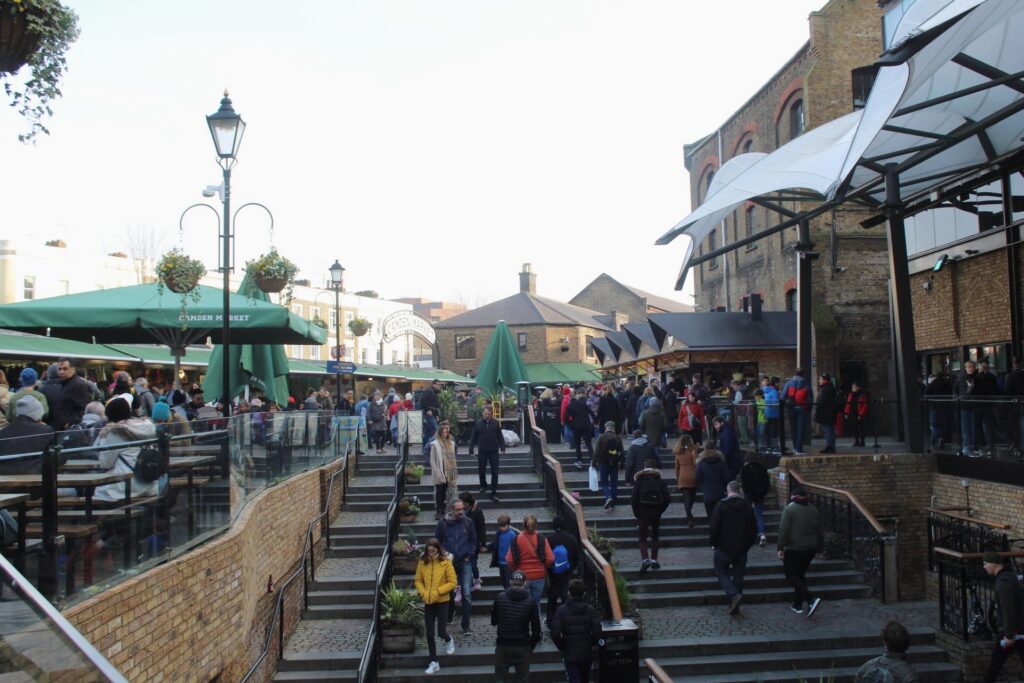
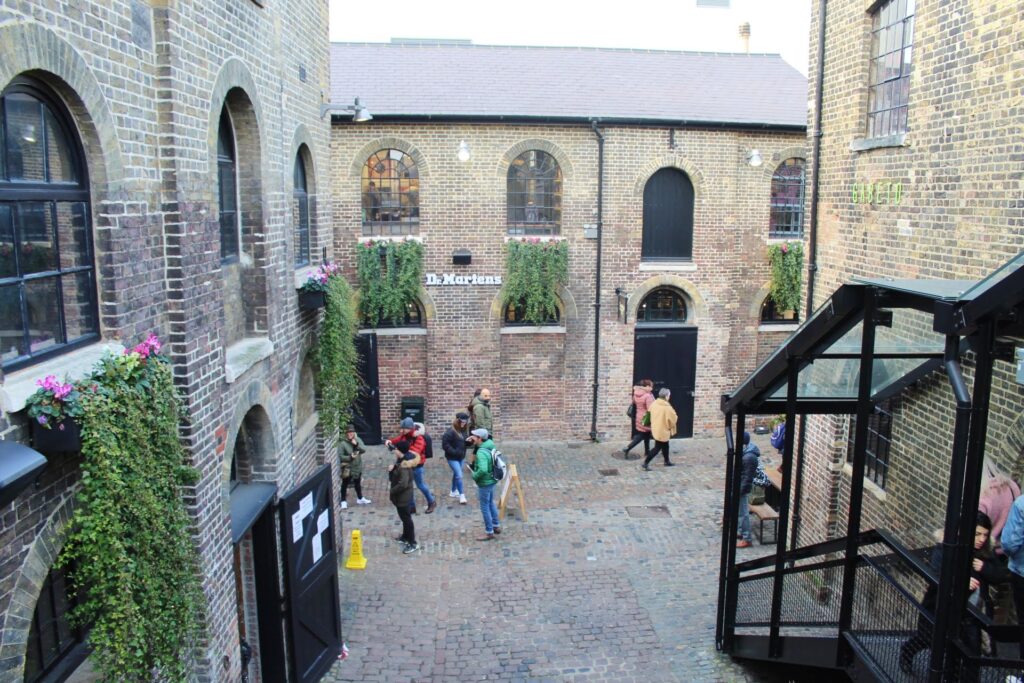
If there’s one market in London that I keep returning to, it’s Camden Market. Yes, it’s busy. Yes, it’s touristy. But somehow, I still absolutely love it every single time!
Spread across a maze of market halls, alleyways, and canalside walkways, Camden is a paradise for anyone who enjoys shopping, street food, and quirky finds. You’ll discover everything from vintage clothing and alternative fashion to handmade jewelry, artwork, records, and gifts you won’t find anywhere else. It feels a little chaotic in the best possible way.
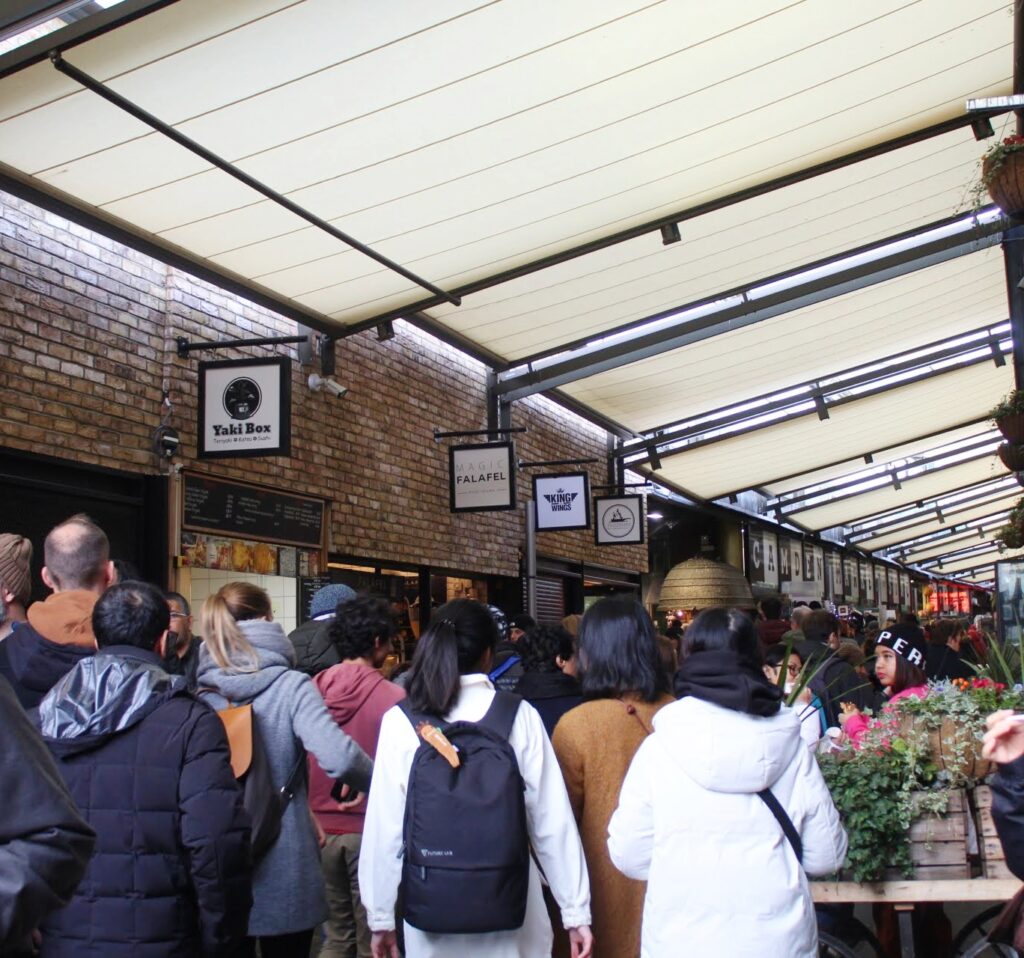
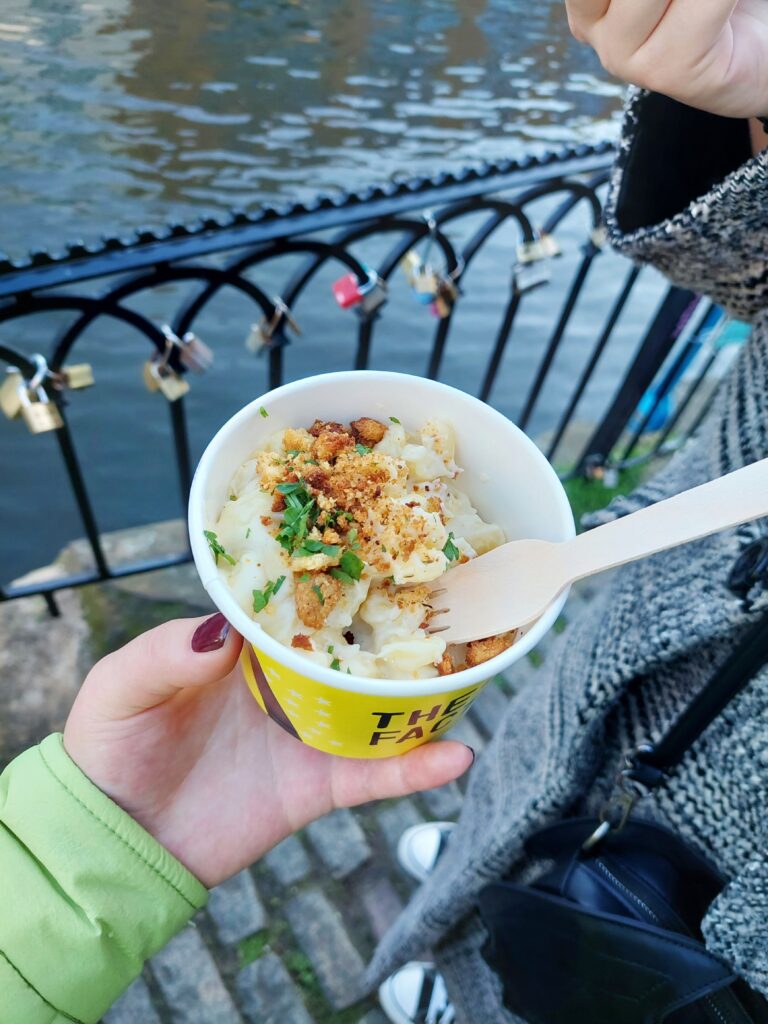
The food scene is what really keeps me coming back though. The variety is incredible, with vendors serving dishes from all over the world. Whether you’re craving Korean corn dogs, giant burritos, loaded fries, fresh pastries, or something completely unexpected, you’ll probably find it here. I’ve tried food from countless stalls over the years and honestly, I’ve rarely been disappointed.
While the crowds can be intense, especially on weekends and during summer, Camden has an energy that’s hard to find anywhere else in London. For me, the atmosphere, food, and shopping make it well worth braving the tourist crowds.

Monthly Shotengai Market: Coals Drop Yard
If Camden Market feels a little too hectic for your liking, the Monthly Shotengai Market at Coal Drops Yard offers a completely different experience.
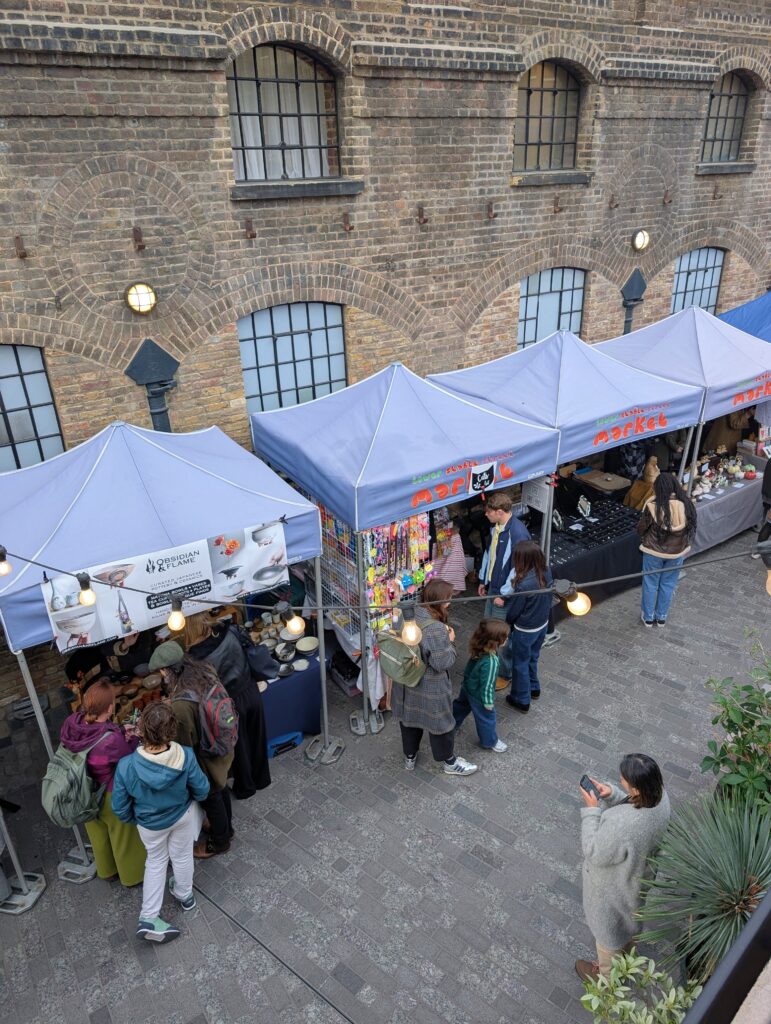
Held once a month in the beautifully redeveloped King’s Cross area, this Japanese-inspired market feels much more relaxed and local. Instead of huge crowds, you’ll find a laid-back atmosphere with independent food vendors, artisan products, crafts, and small businesses showcasing their work. It’s the kind of place where you can wander slowly, browse a few stalls, grab something tasty to eat, and simply enjoy the vibe.
What I particularly like is that it still feels somewhat under the radar compared to London’s more famous markets. While visitors are definitely starting to discover it, you’ll find far more Londoners than tourists here.

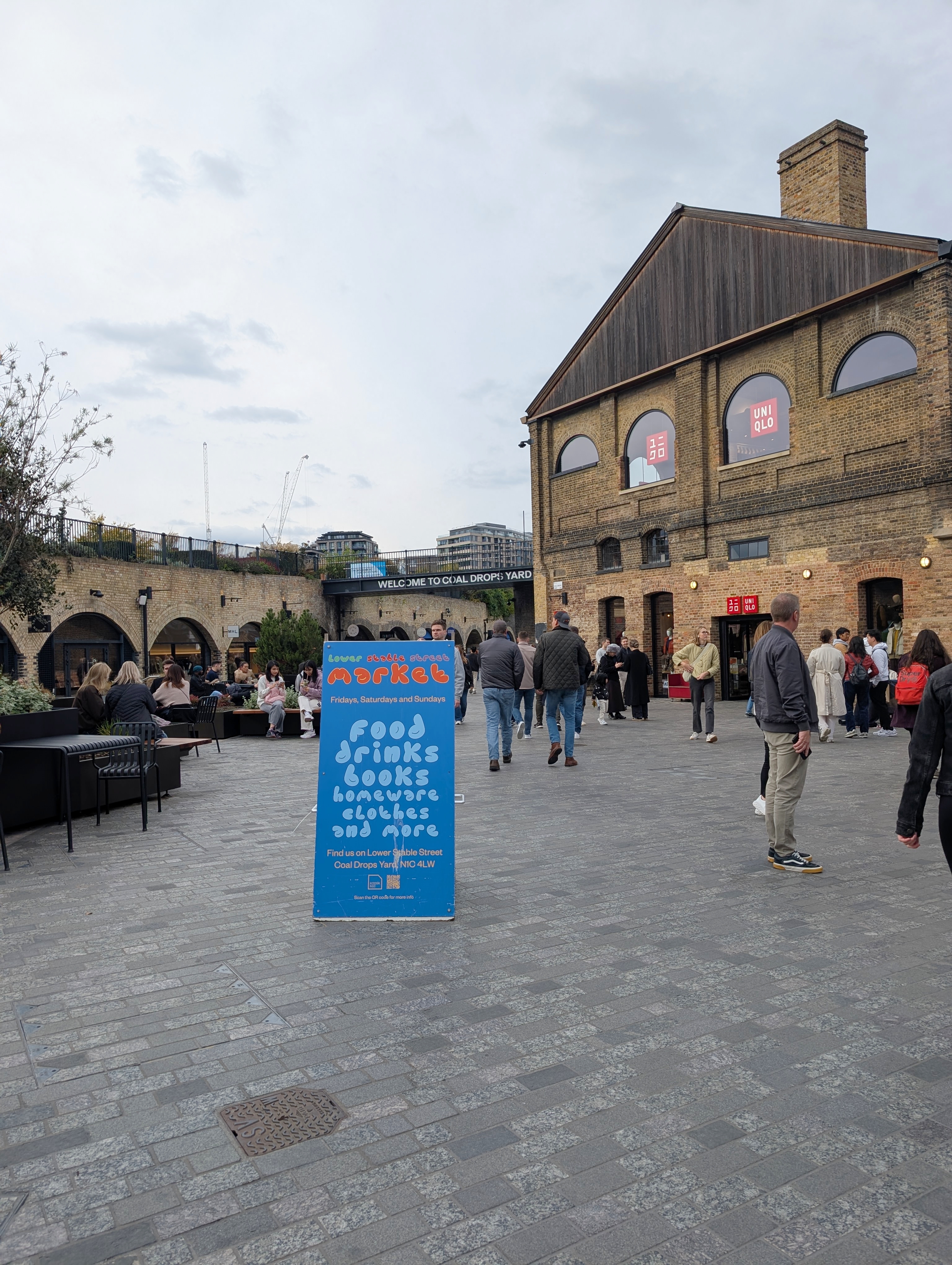
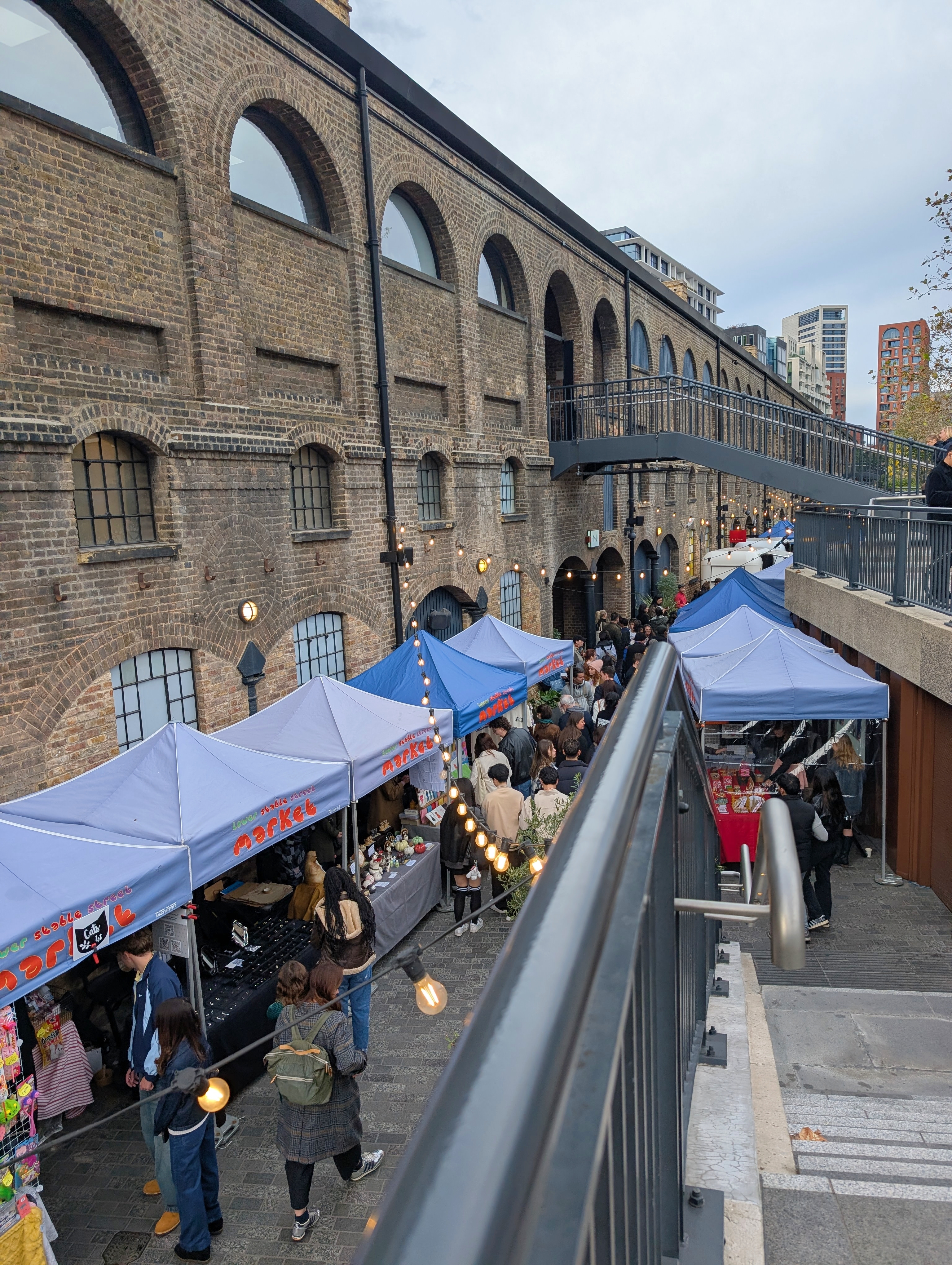
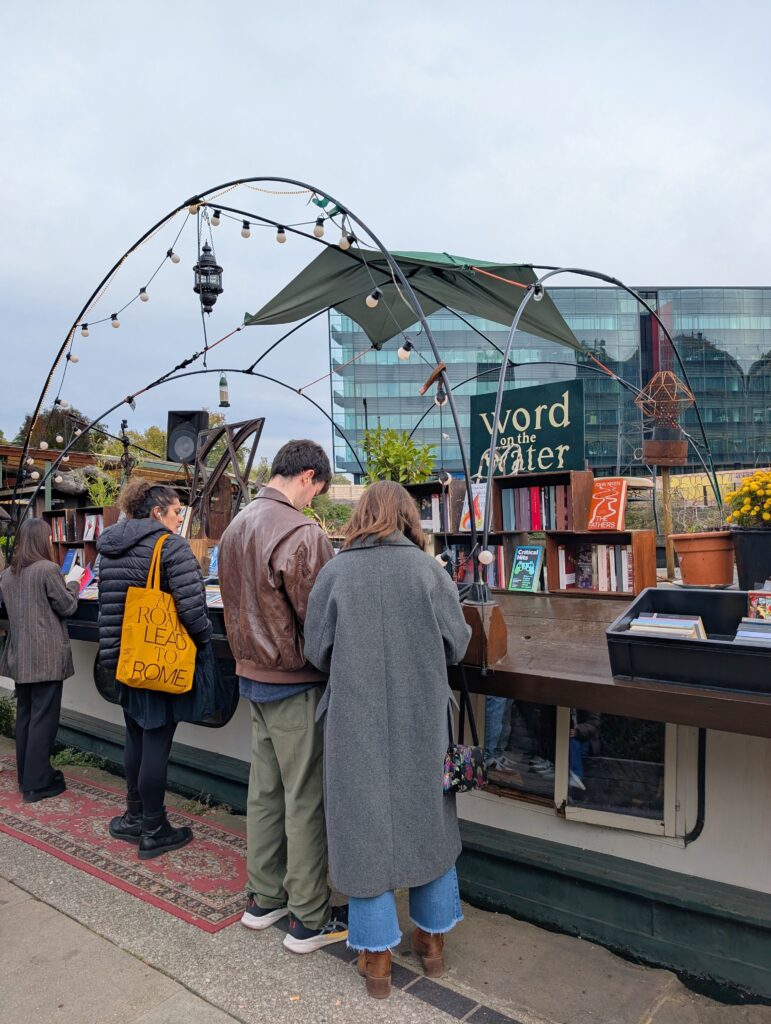
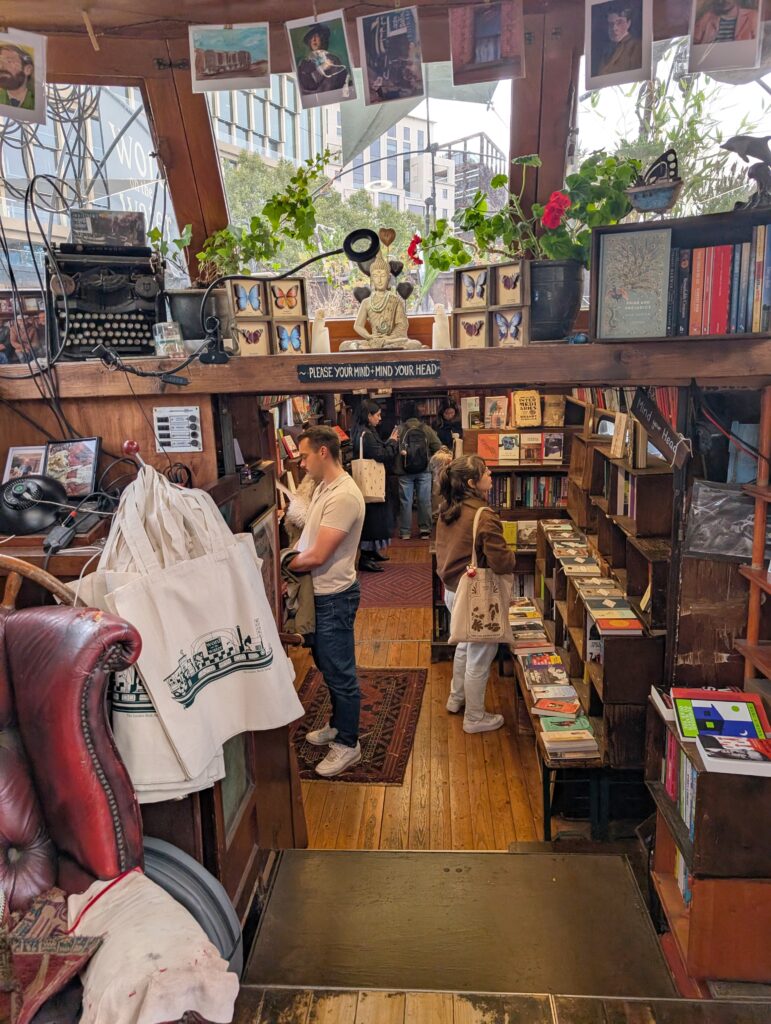
💡 Bug Girl Tip: While you’re already in the area, make sure to stop by Word on the Water, one of my favorite hidden gems in London! This charming floating bookshop is located on a canal boat and is an absolute must-visit for book lovers.
View Points
the lookout
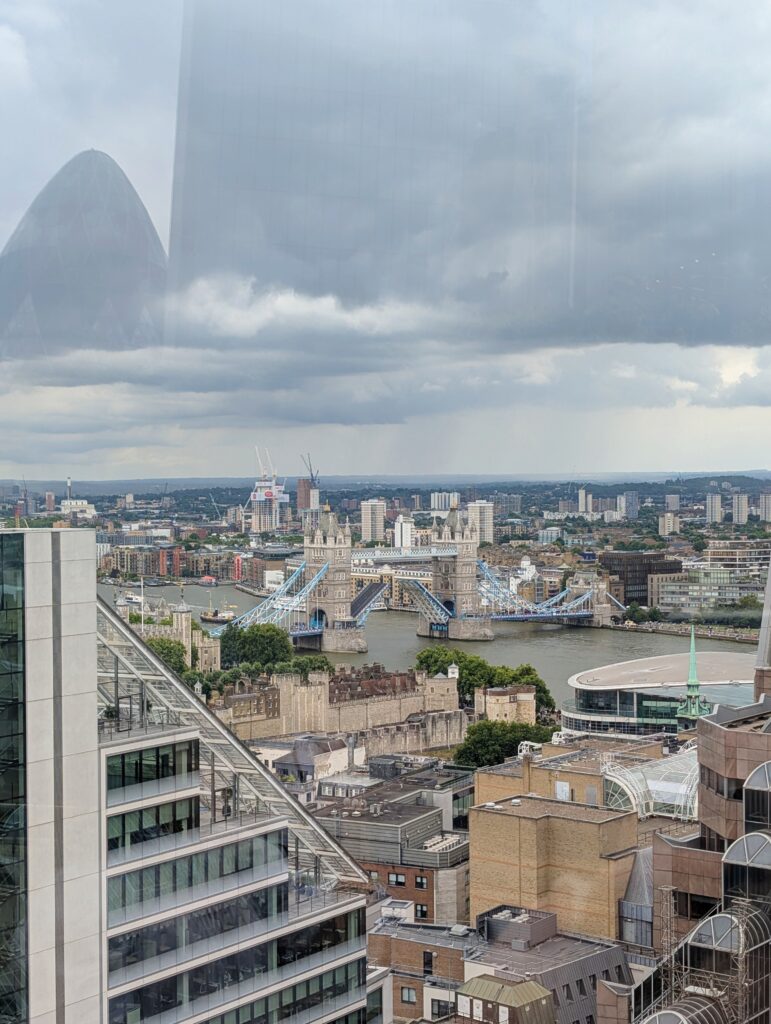
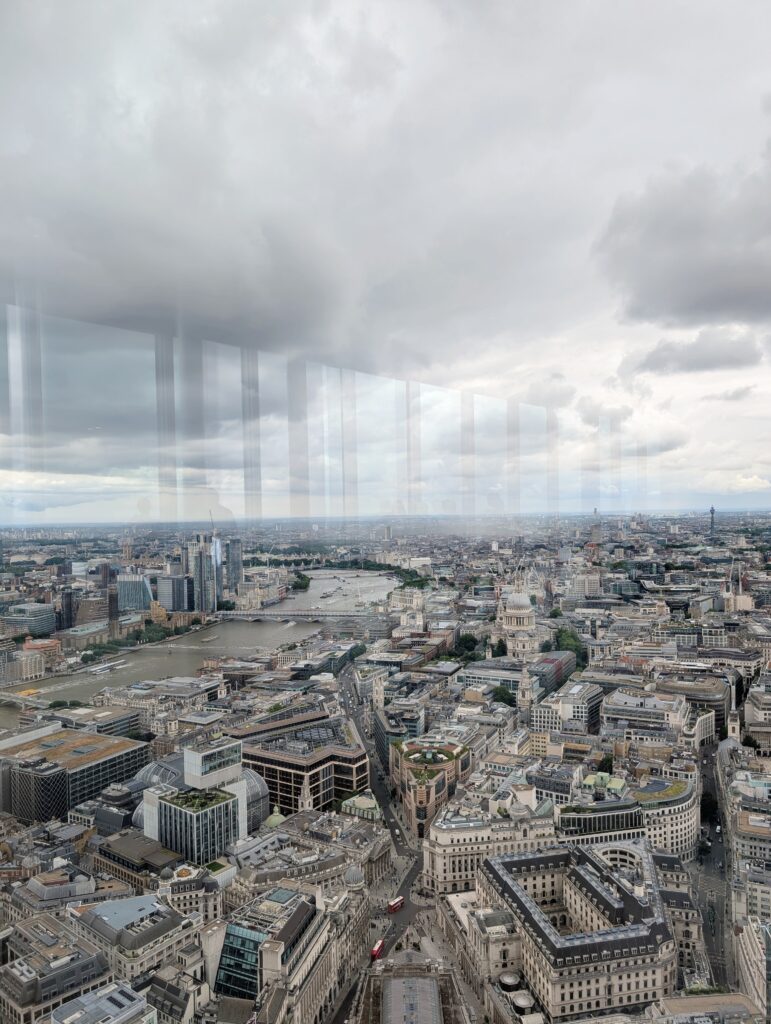
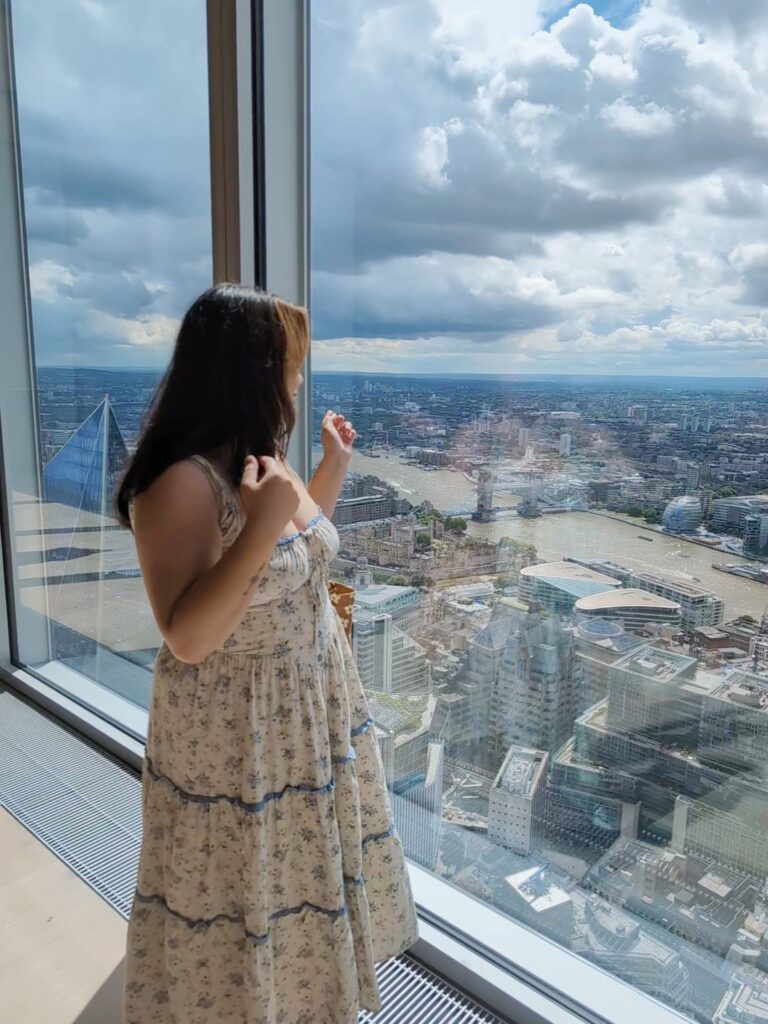
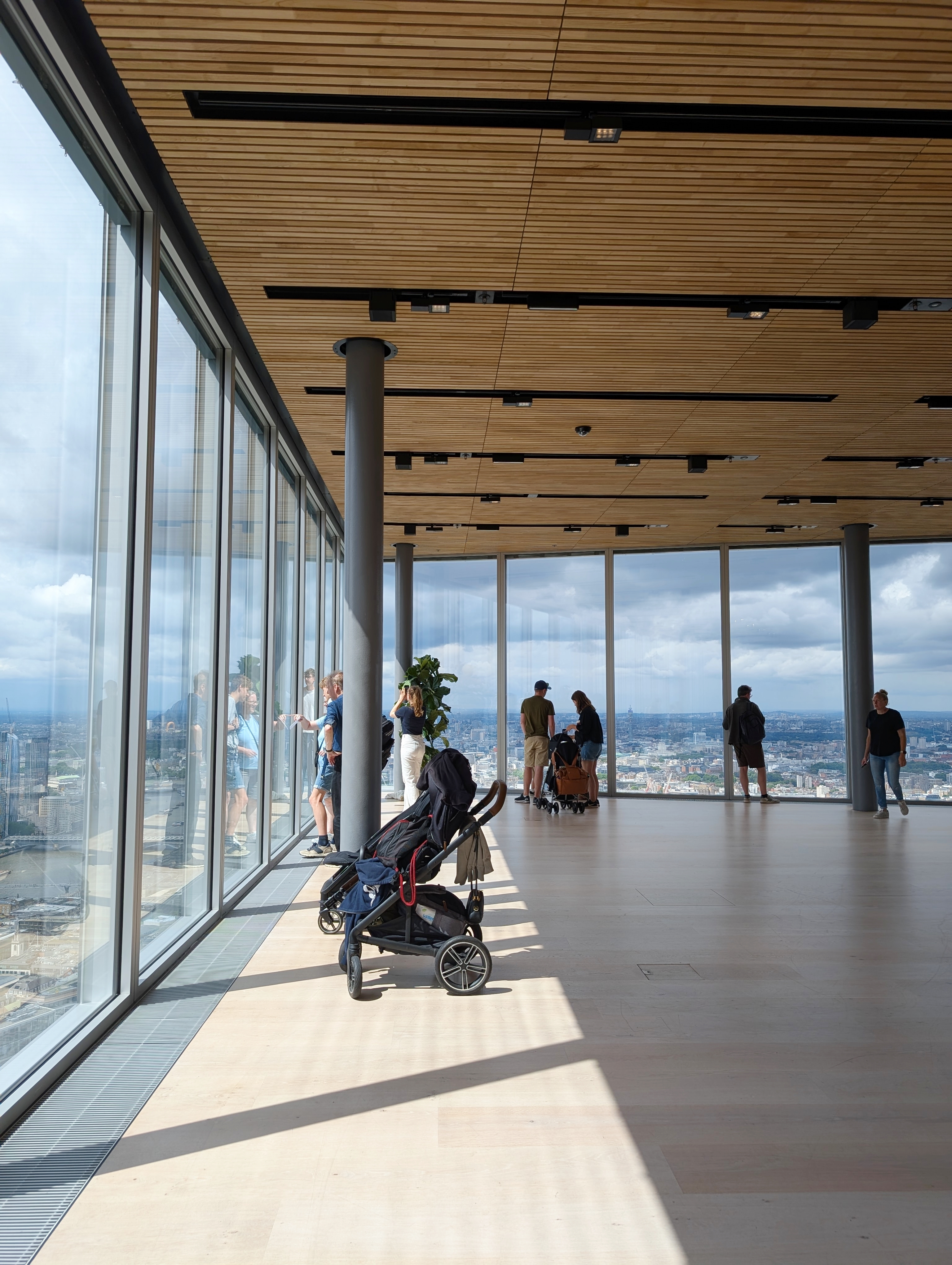
If you love modern architecture and epic skyline photos, The Lookout is your go-to free viewpoint in the City of London. It’s a glassy, polished rooftop space perched high above the skyline, and the best part? Entry is completely free (just remember to book a ticket online in advance!).
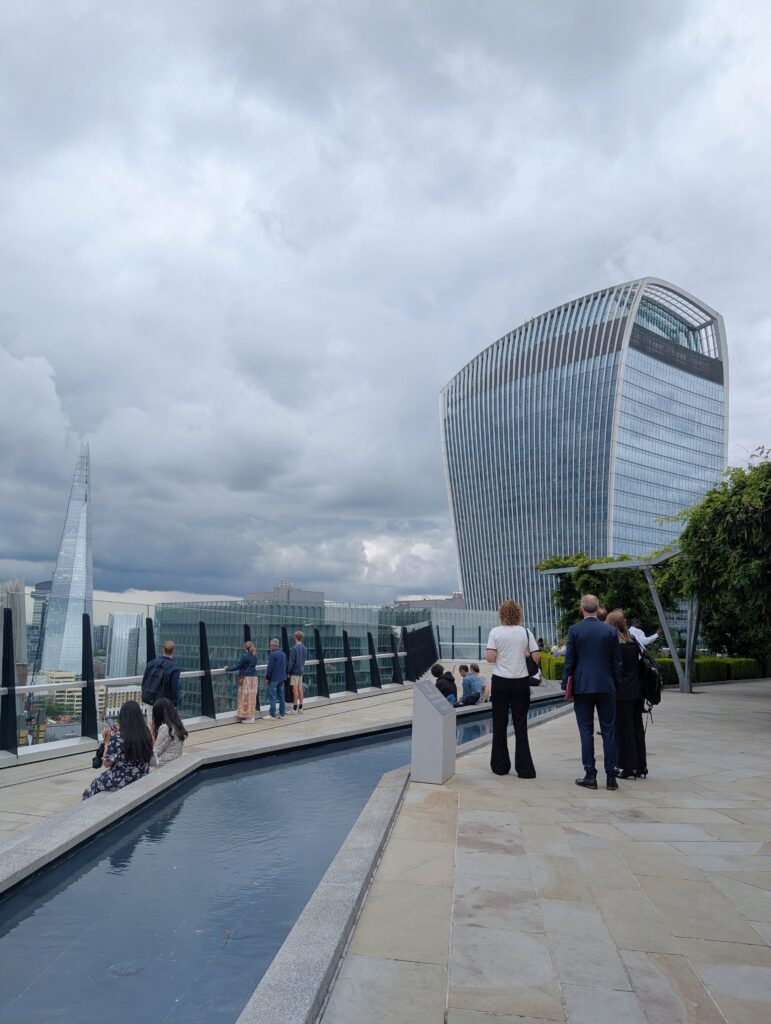
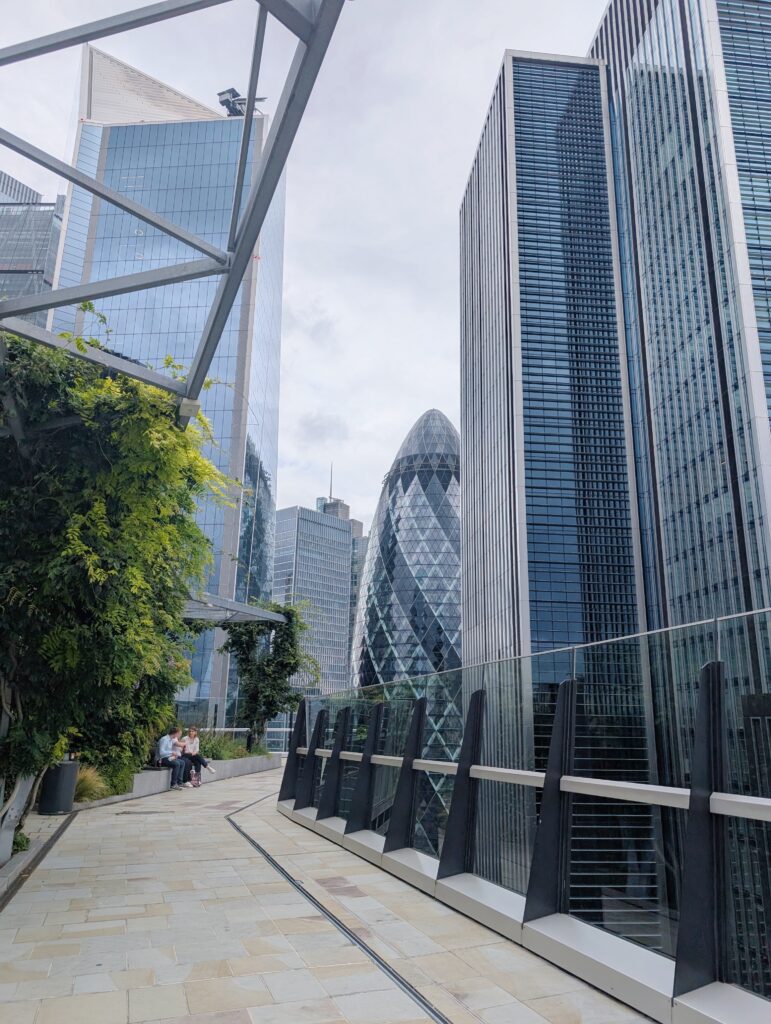
From up here, you’ll spot all the big names: The Gherkin, The Cheesegrater, the Walkie Talkie, and even glimpses of the Shard in the distance. Because The Lookout sits higher than many other free spots, the view feels wide and dramatic – perfect for snapping that iconic “London from above” shot.
The only catch? It’s not a full 360° view. One side of the rooftop isn’t accessible. But honestly, with the skyline stretching out in front of you, you won’t even mind.
💡 Bug Girl Tip: Visit on a clear day for the best photos, and try to time your visit for early morning or golden hour – it’s quieter and the light is stunning.
The Garden At 120
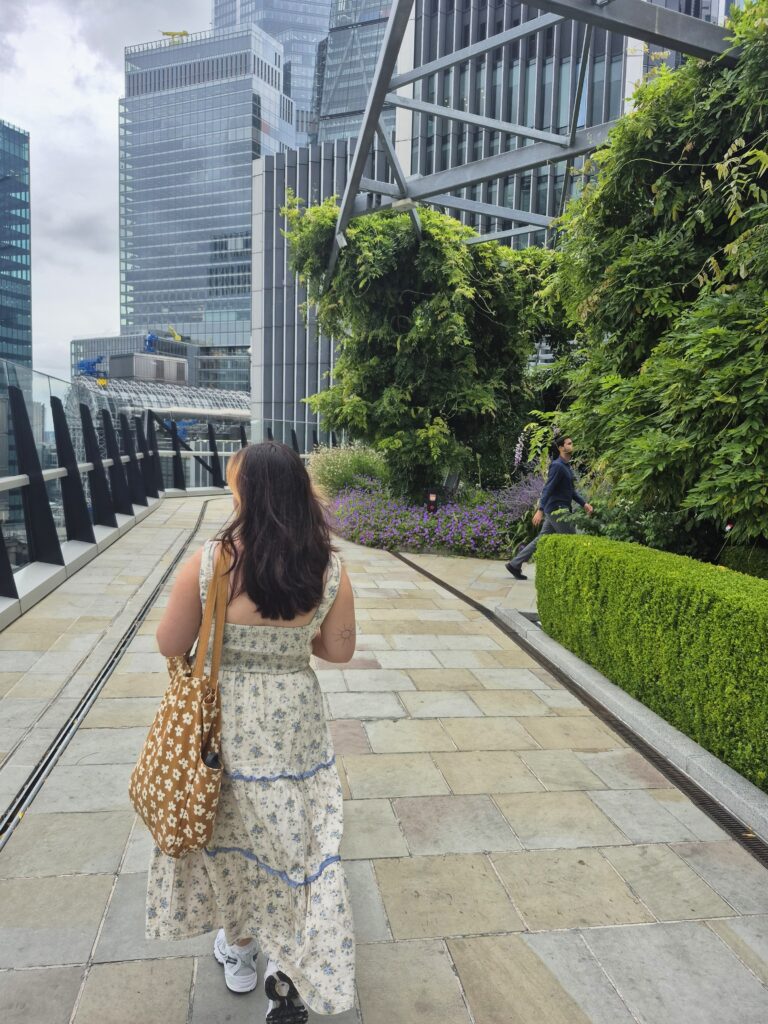
Just a 5-minute walk from The Lookout lies one of London’s most underrated green escapes – The Garden at 120. This open-air rooftop garden sits atop an office building, and unlike most viewpoints, you don’t need a ticket or booking. Just show up, go through a quick bag check, and take the lift up to this peaceful sky-high oasis.
Even during peak summer season, it feels surprisingly calm. Most visitors are local office workers enjoying their lunch, so it never feels overrun with tourists. The garden features trees, water features, and plenty of benches – all with 360° views of London, including the Tower of London, Walkie Talkie, and St. Paul’s Cathedral.
The best part? You can bring your own food, which makes it the ultimate budget-friendly lunch spot. Grab a classic meal deal and enjoy it with a skyline view, total vibe!
💡 Bug Girl Tip: It’s a perfect summer hangout or golden-hour spot. Just skip it on rainy or windy days since it’s fully outdoors.
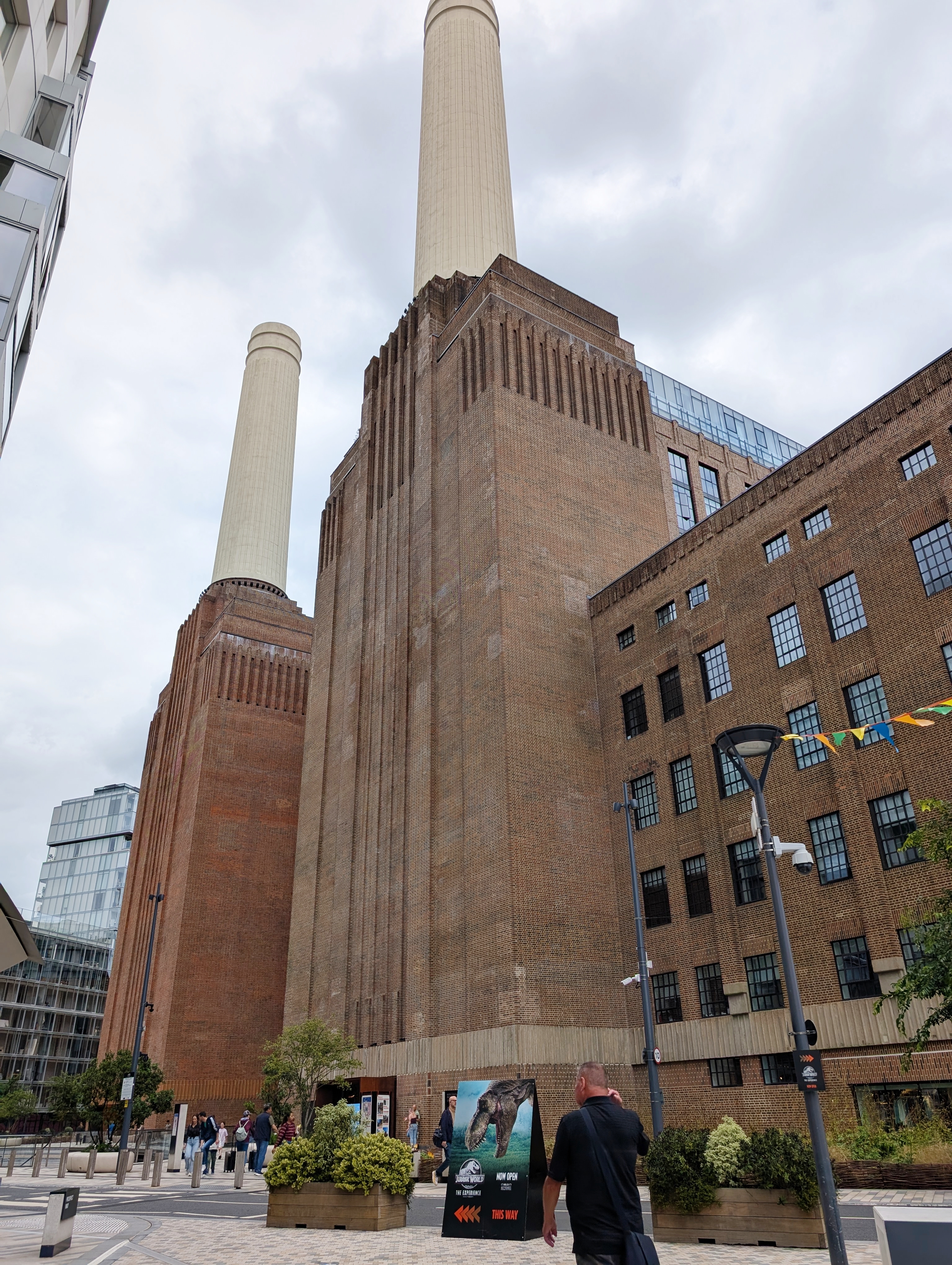
Lift 109 at Battersea Power Station
Unlike the other viewpoints in this guide, Lift 109 isn’t free, and honestly, I wouldn’t put it at the top of your list if it’s your very first trip to London.
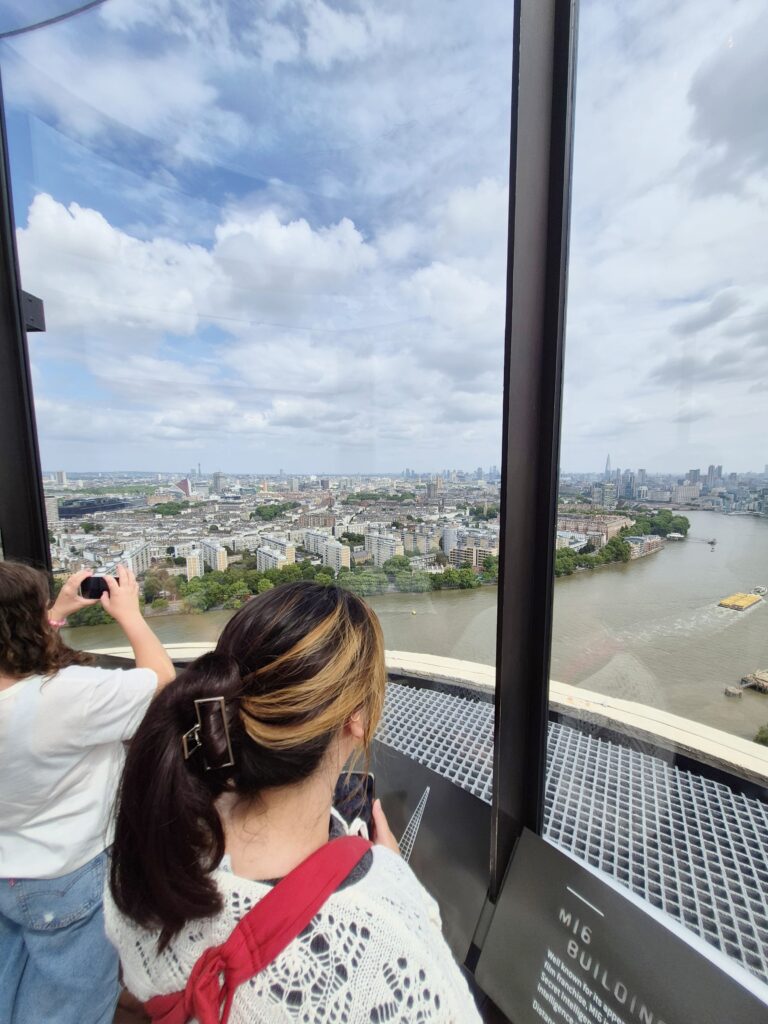
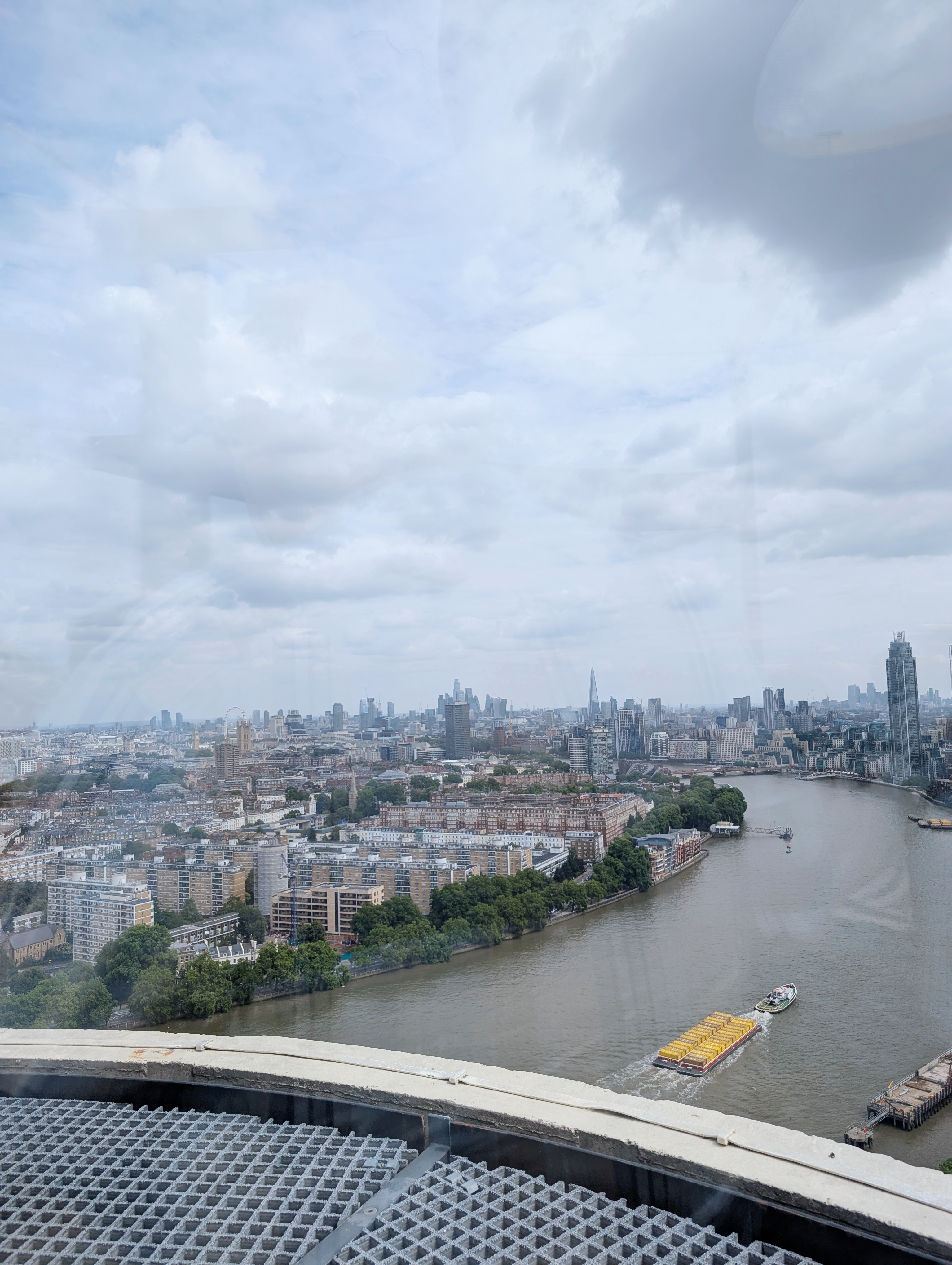
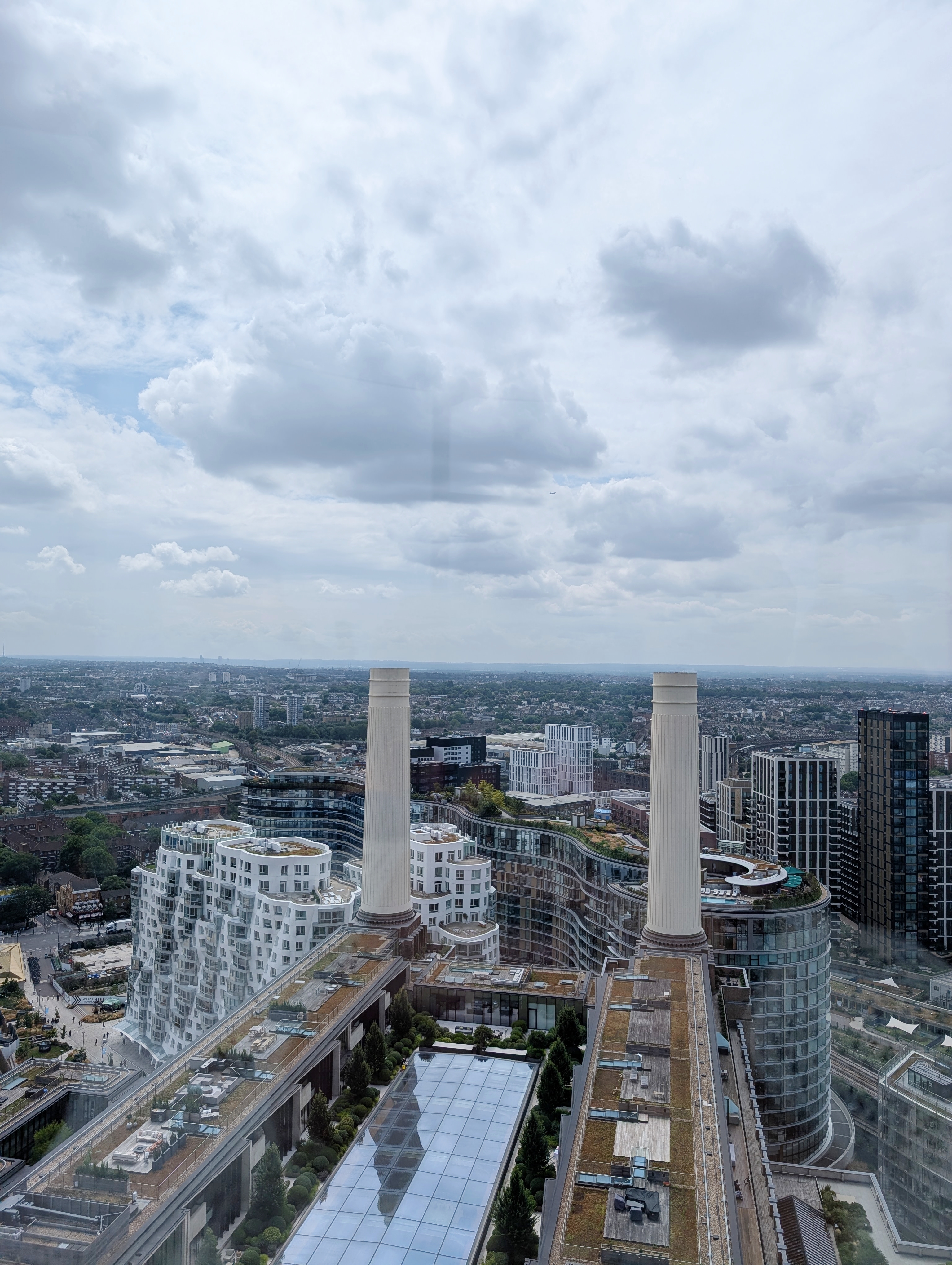
Located inside the iconic Battersea Power Station redevelopment, Lift 109 is part viewpoint, part attraction. The experience starts with a short interactive exhibition about the history of the power station before you step into a glass elevator that travels up one of the building’s famous chimneys. At the top, you’ll find a viewing platform offering panoramic views across London.
Adult tickets start from around £17, with discounts available for children and families. While that’s certainly more expensive than London’s fantastic free viewpoints, you’re also paying for the unique experience of ascending one of the city’s most recognizable buildings.
I really enjoyed doing it once. The views are quite different from places like The Lookout or The Garden at 120 because you’re further away from Central London’s cluster of skyscrapers. Instead, you get a fresh perspective over Southwest London, the River Thames, and the surrounding neighborhoods. It felt like seeing a completely different side of the city.
That said, if you’re visiting London for the first time and only have limited time or budget, I’d recommend prioritizing one of the free viewpoints in Central London instead. Lift 109 is more of a bonus attraction for seasoned London visitors who have already ticked off the major sights and want to experience something a little different.
Gardens & Parks
Kew Gardens
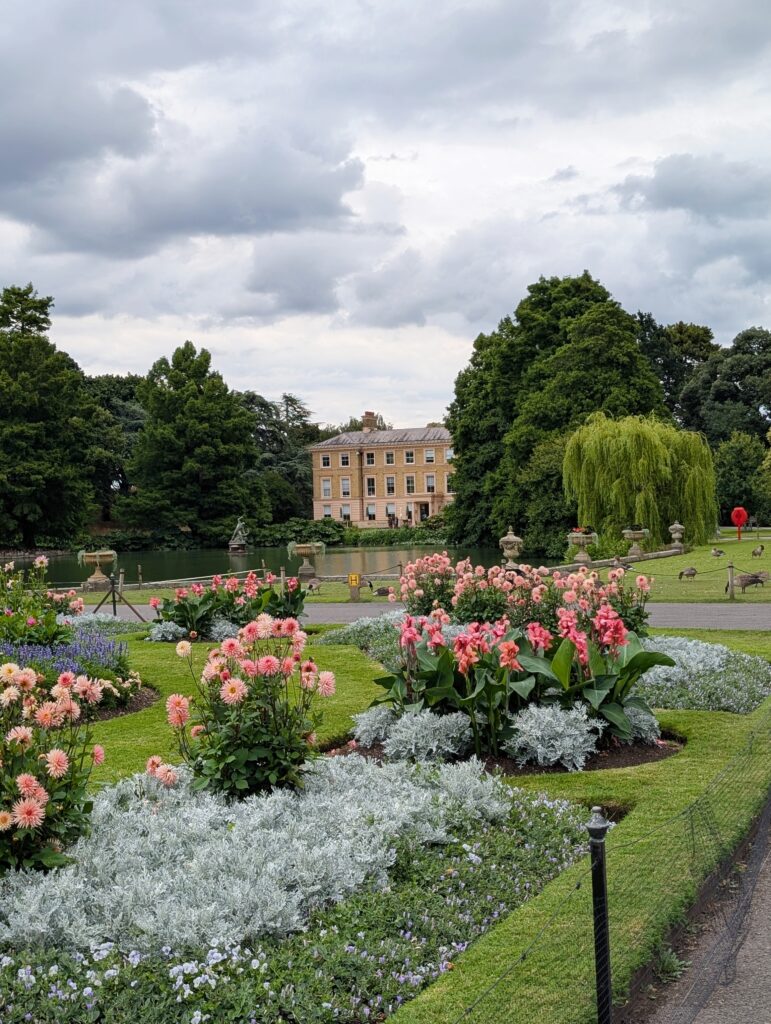
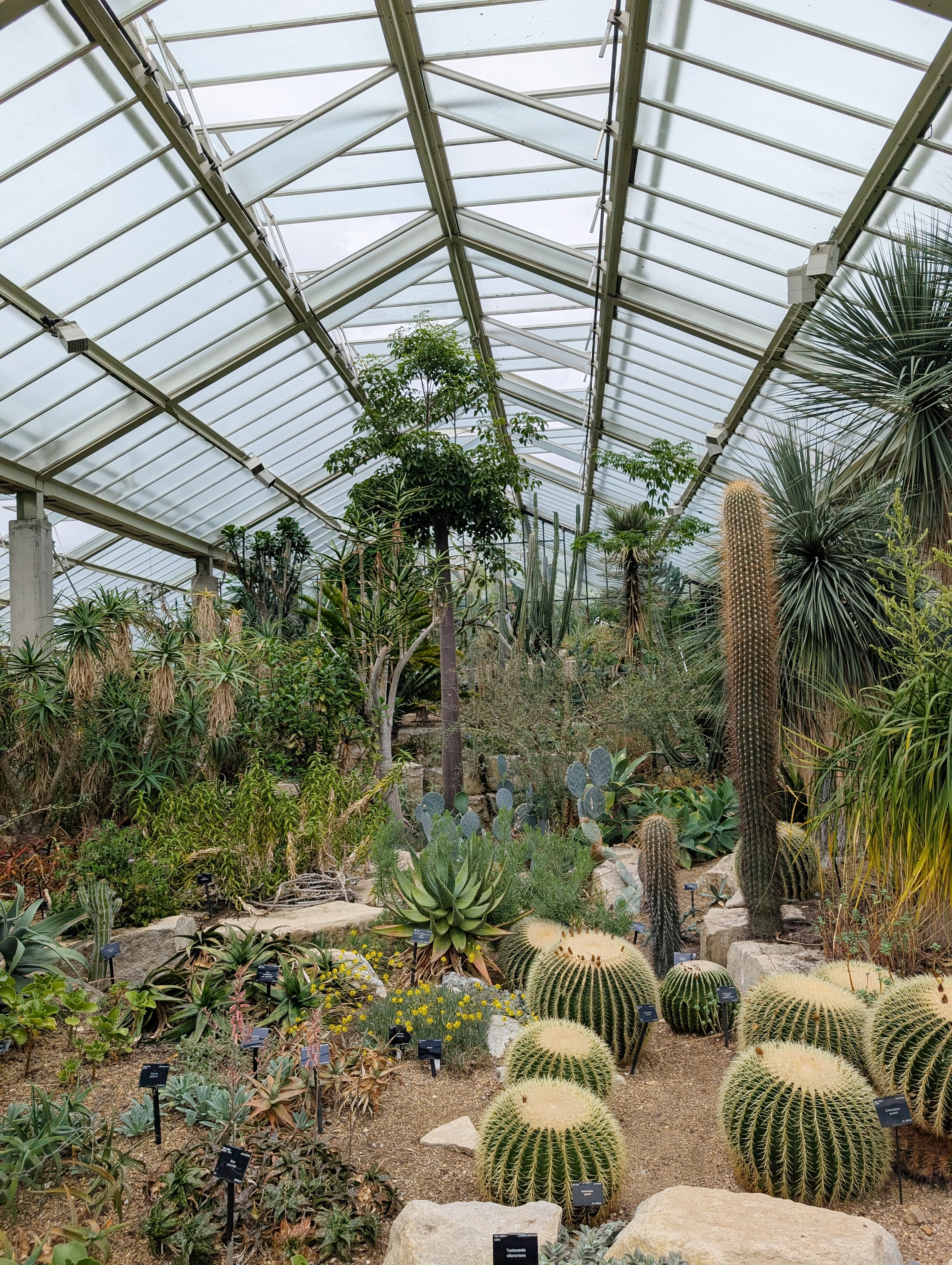
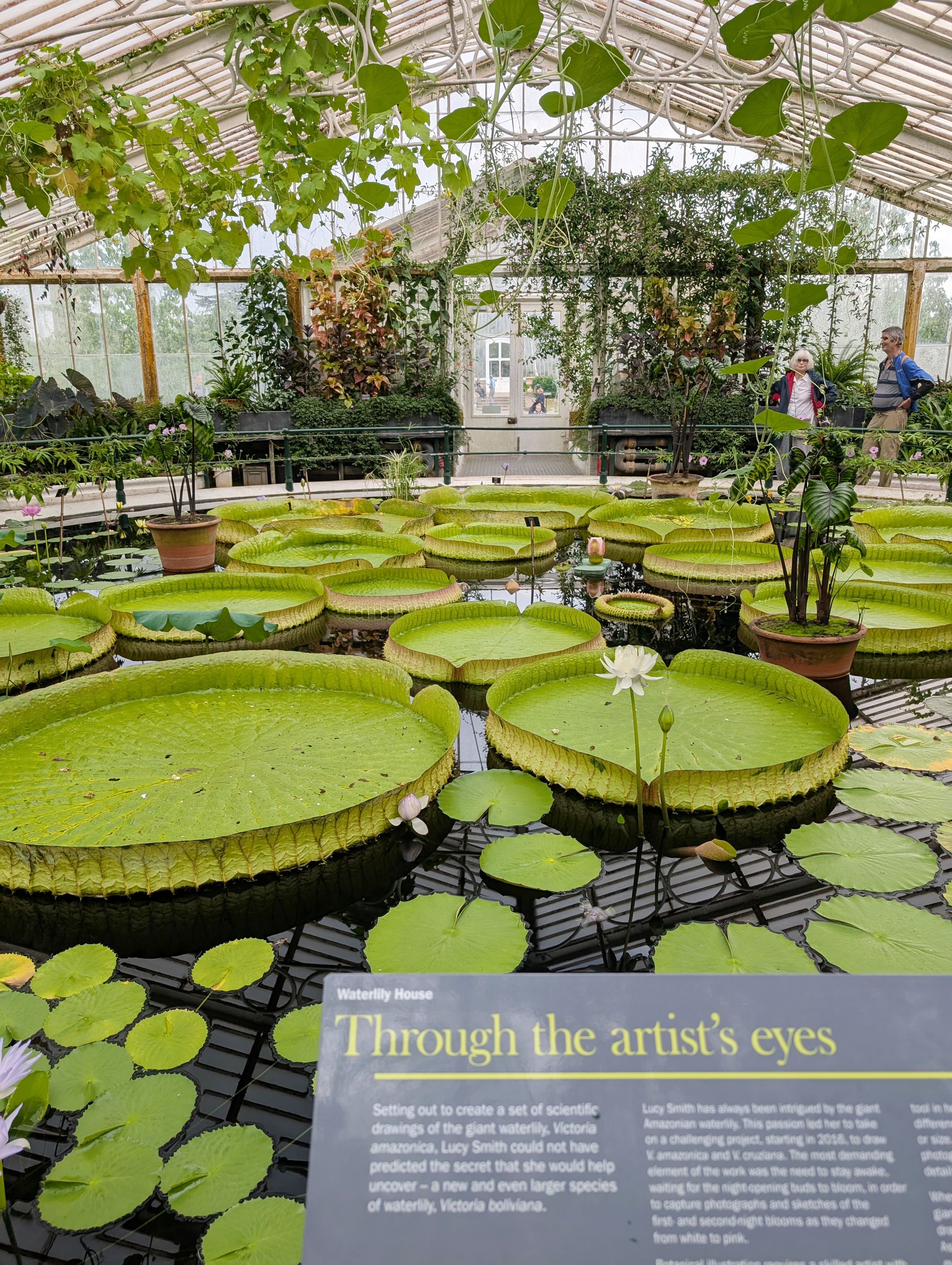
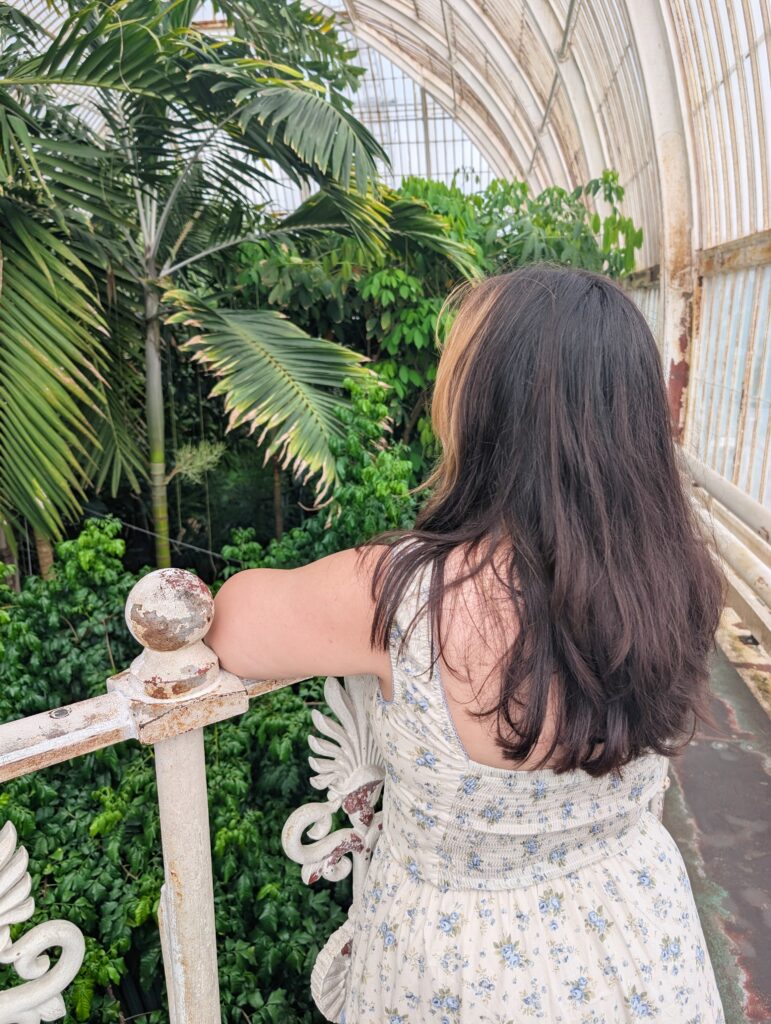
If you’re looking for a green escape from the city buzz, Kew Gardens is a must-visit. This massive botanical garden in southwest London is a UNESCO World Heritage Site and a hub for plant science and conservation. From tropical palms in the iconic Palm House to rare species in the Temperate House, the gardens offer endless opportunities to explore, take photos, and enjoy peaceful walks. Highlights include the Princess of Wales Conservatory, the Waterlily House, the Treetop Walkway, and hidden gems like Syon Outlook.
Kew is easily accessible via the District Line (Kew Gardens Station), London Overground, South Western Railway, or several nearby buses. Tickets are £22 for adults and £10 for students, with children under 4 free. Facilities include cafés, gift shops, picnic areas, and step-free access in many parts. Whether you’re a plant lover, history enthusiast, or just want a calm day in nature, Kew Gardens is the perfect escape from London’s busy streets.

Chelsea Physic Garden
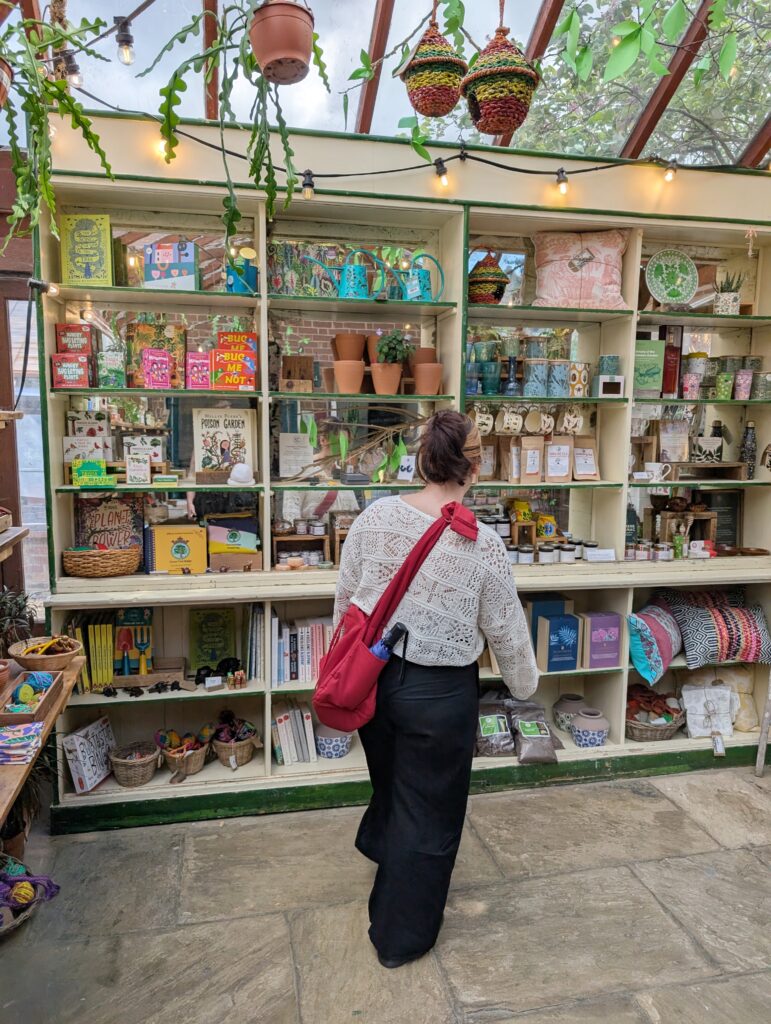
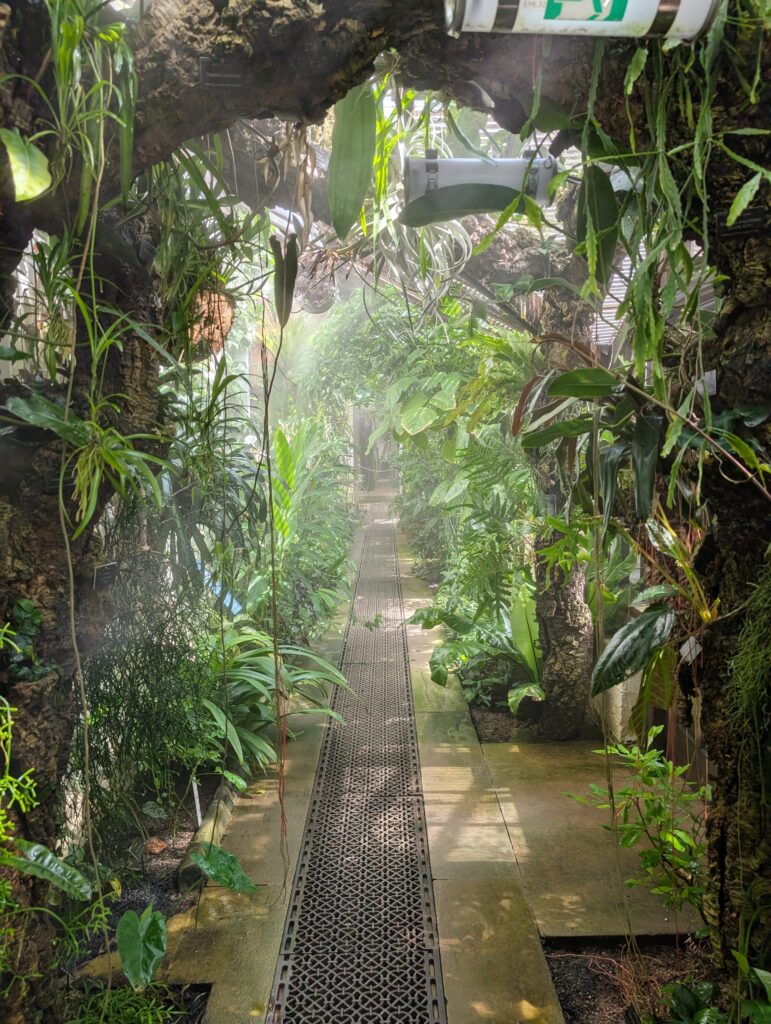
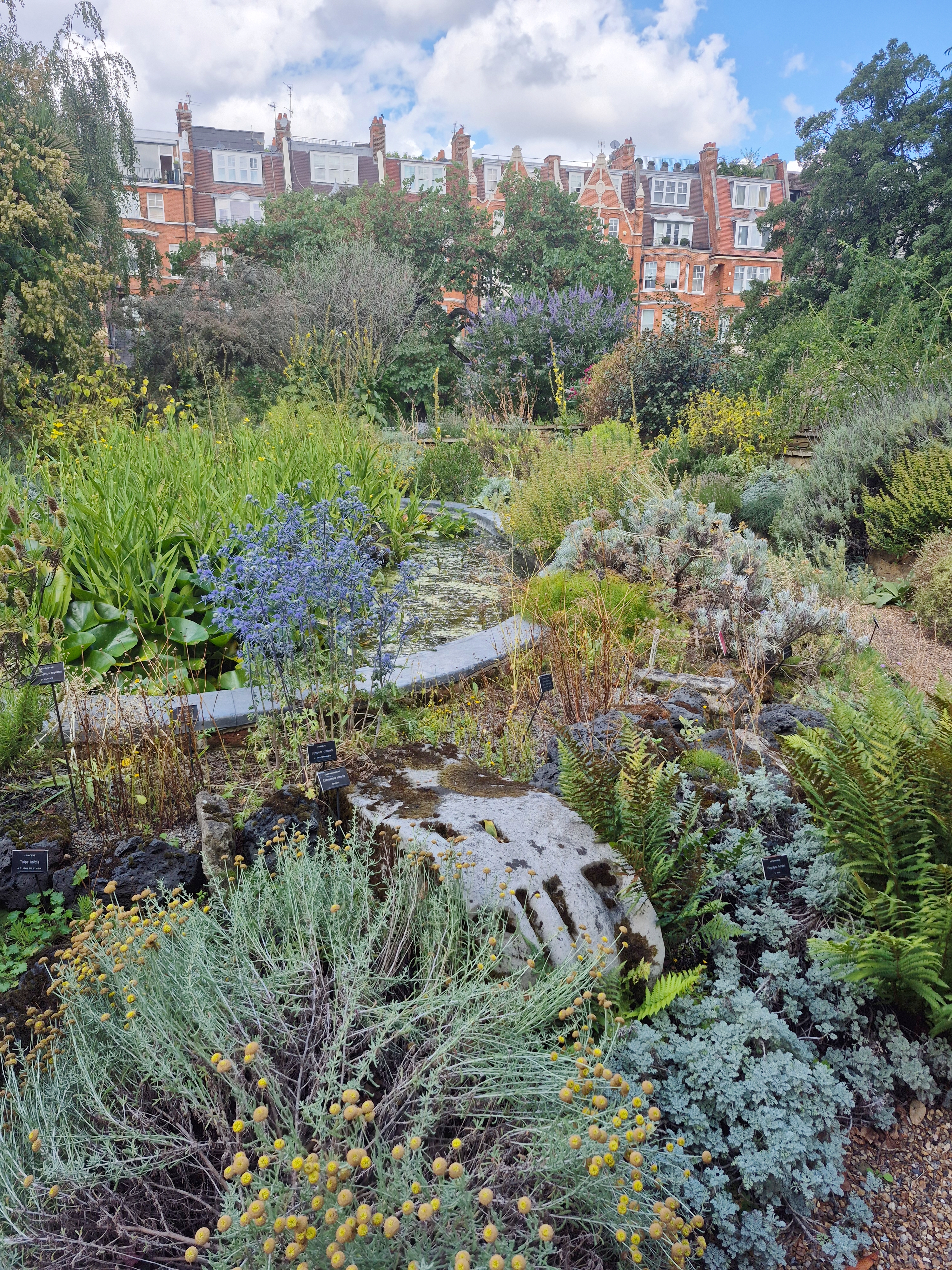
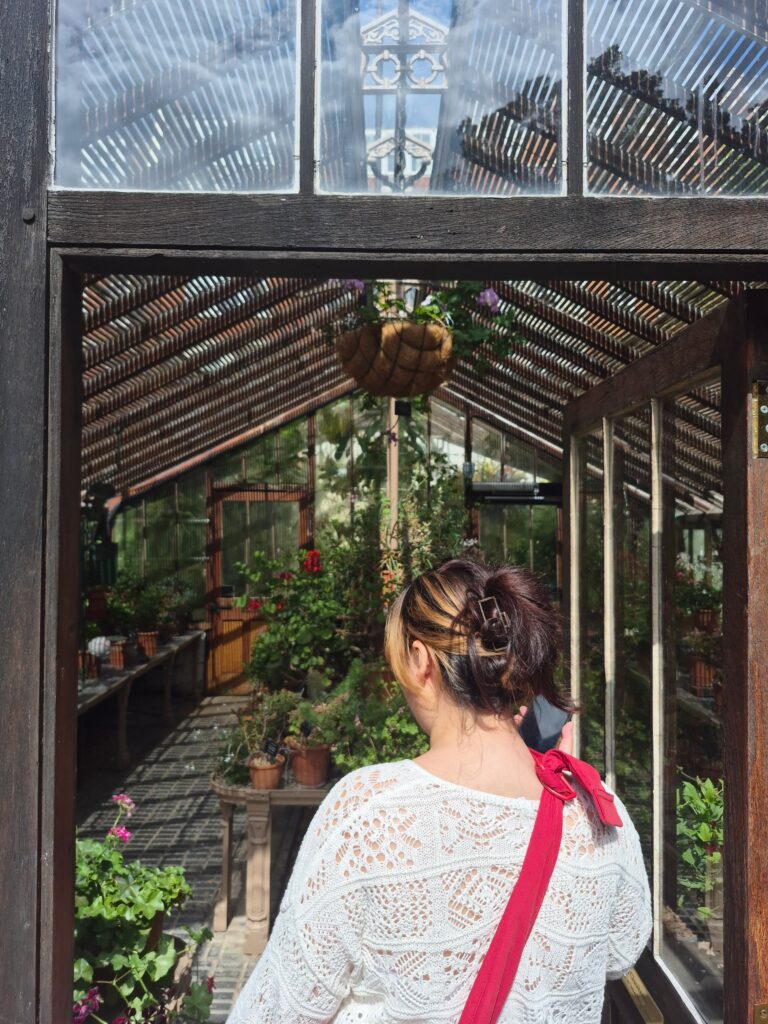
Tucked behind a quiet brick wall near the Thames, Chelsea Physic Garden is London’s oldest botanical garden, founded in 1673. Originally a training ground for apothecaries, it now offers a peaceful escape with over 4,500 plant species, including medicinal plants, exotic trees, and themed gardens like the Herb Garden and Woodland Garden. Highlights include the tropical corridor behind the old glasshouses, the Pond Rockery, and the unique microclimate supporting olive and pomegranate trees. Guided tours and workshops are available, and the on-site café serves light bites and drinks, making it a perfect spot for a relaxing day.
Admission is £15 for adults and £5-£6.50 for students and young people. It’s a peaceful, plant-filled retreat ideal for mid-budget travelers, soft explorers, or anyone looking for a calm, photo-friendly break from London’s city buzz.
St Dunstan in the East Church Garden
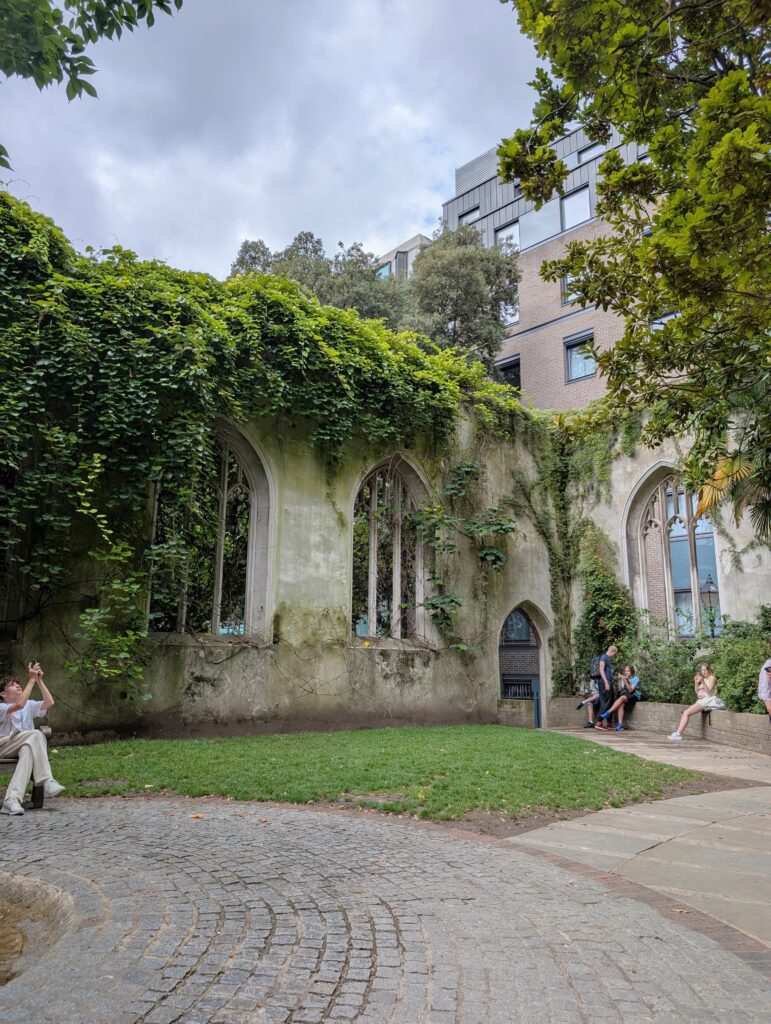
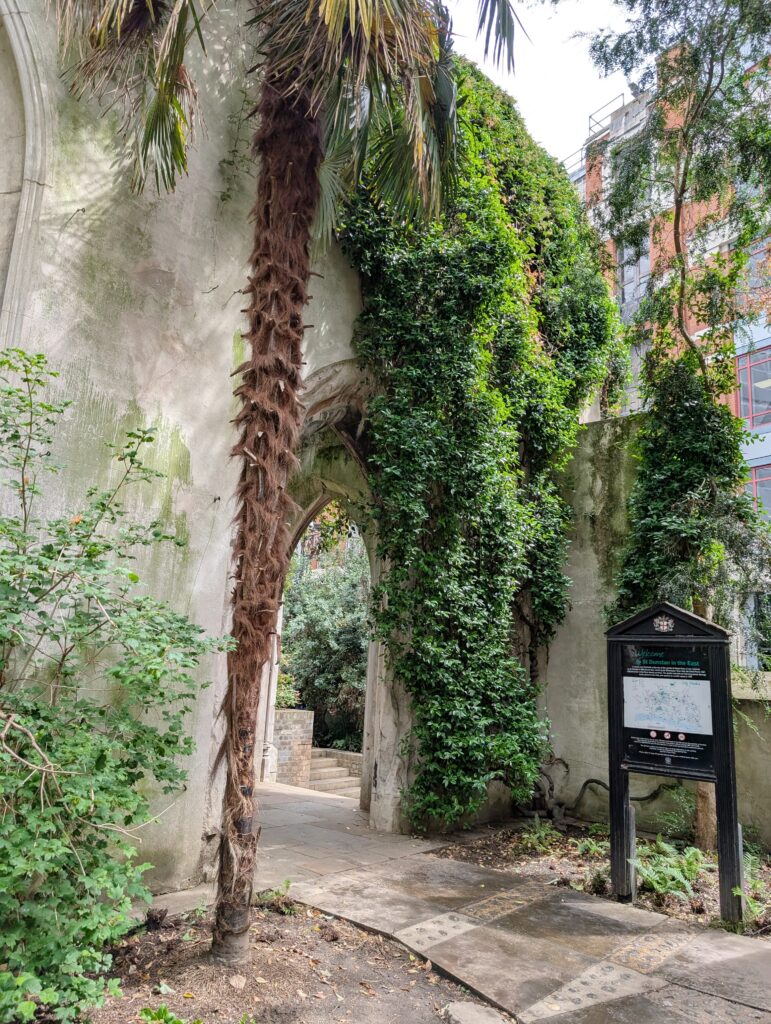
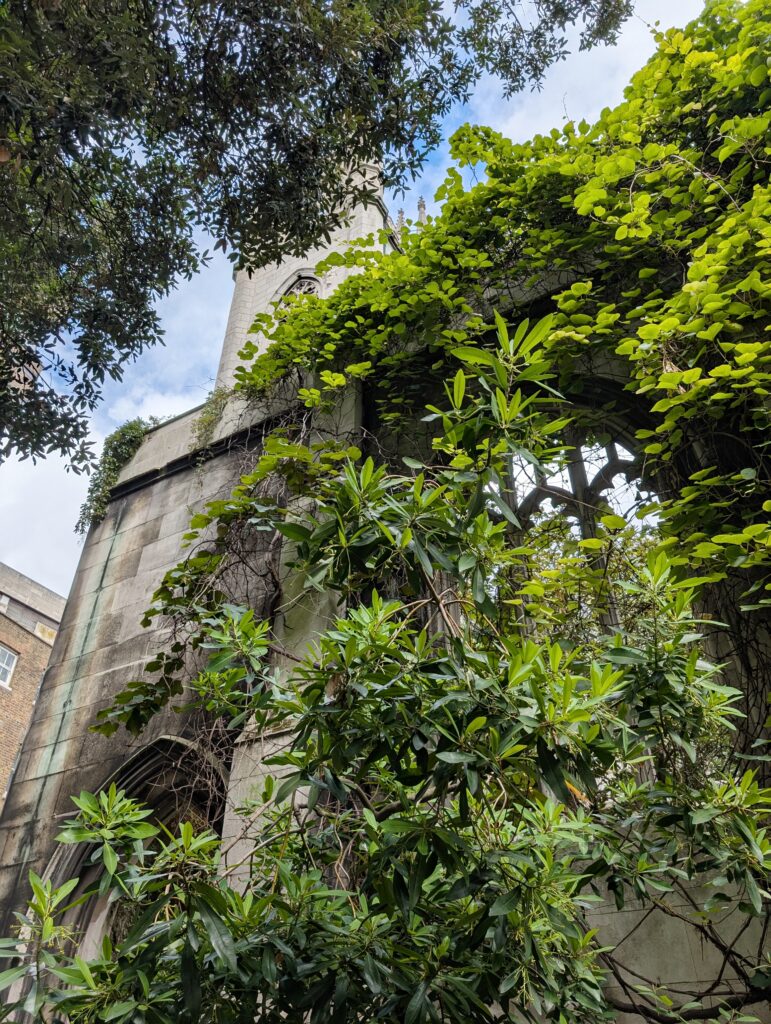
One of my favorite little hidden gems in London is St Dunstan in the East Church Garden. Tucked away between the skyscrapers of the City of London, this former church was heavily damaged during the Blitz in World War II and later transformed into a peaceful public garden. Today, ivy and climbing plants wind their way through the ruined stone walls, creating one of the most photogenic spots in the city.
It’s completely free to visit and makes the perfect place to take a break from sightseeing. Grab a coffee, find a bench, and enjoy a moment of calm surrounded by history. It’s not somewhere you’ll spend hours, but if you’re already exploring nearby sights like the Tower of London, Tower Bridge, or The Garden at 120, it’s absolutely worth a quick stop.
Food & Drink
Fortitude Bakehouse
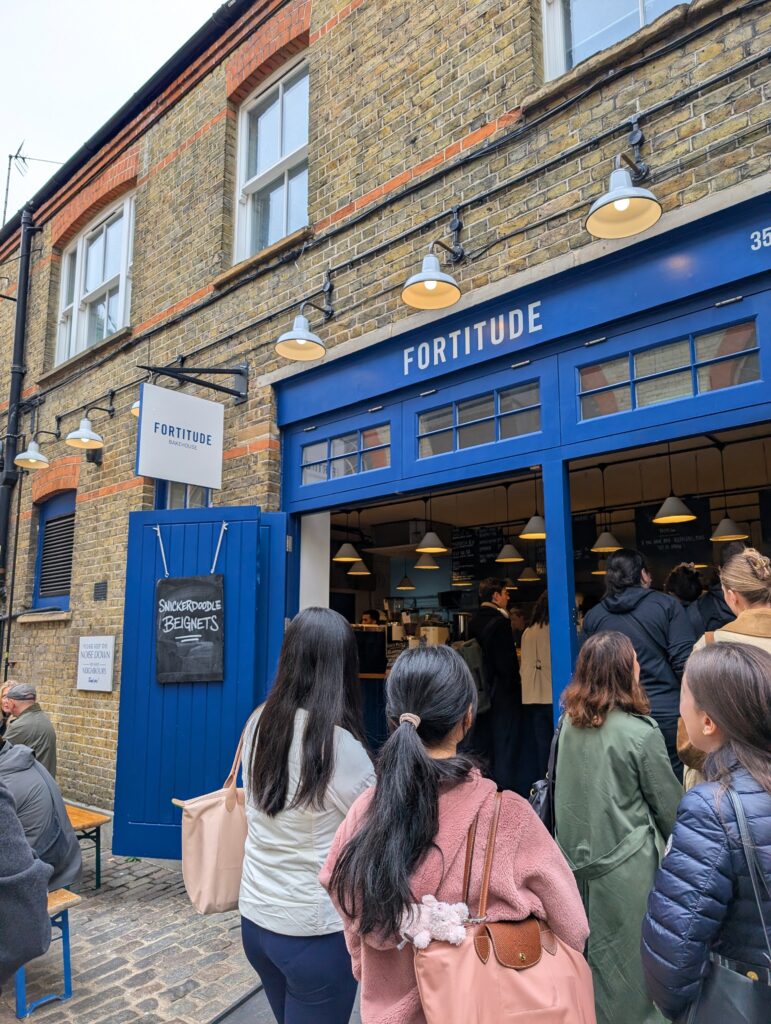
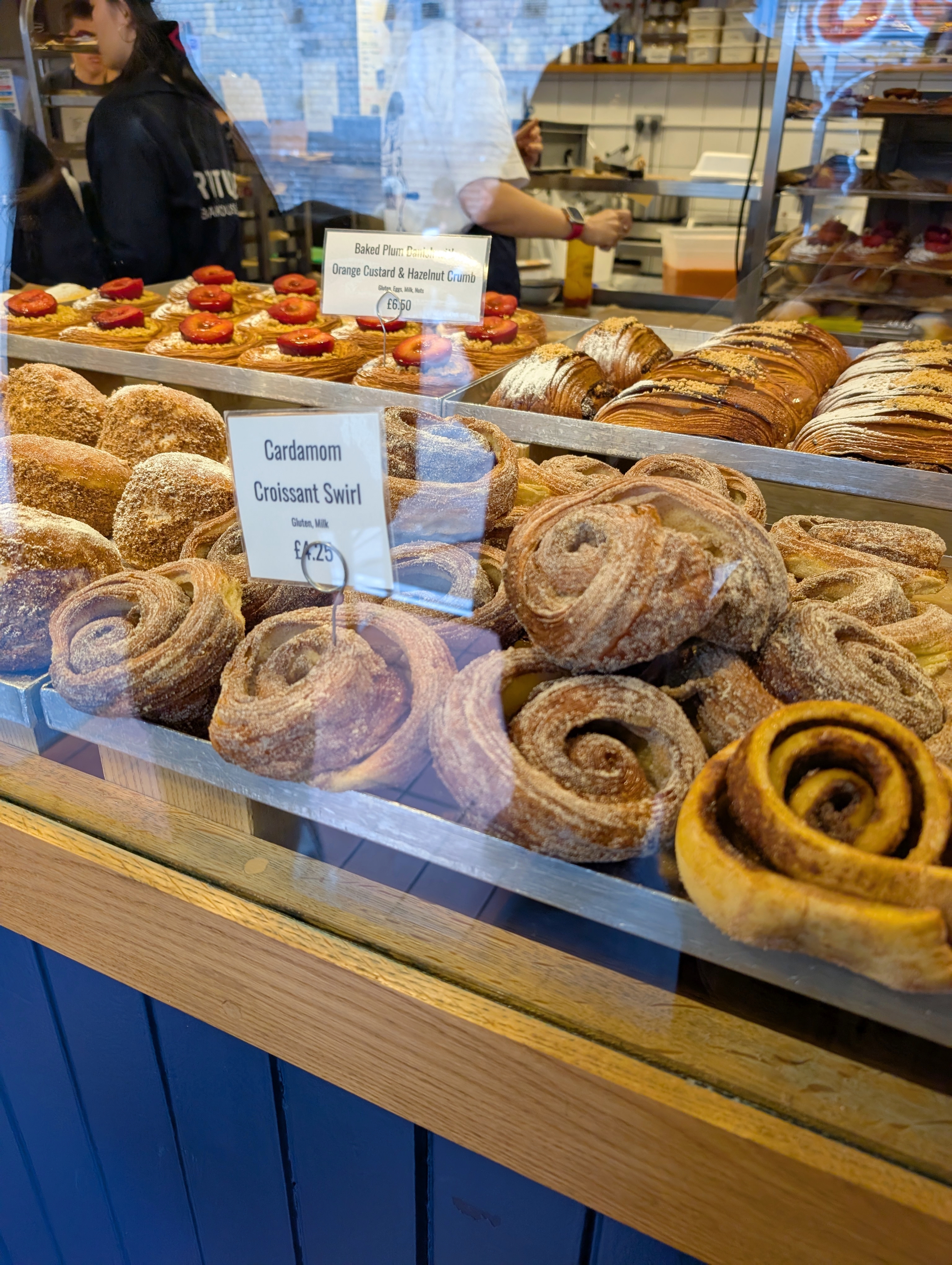
Fortitude Bakehouse, located in Bloomsbury near the British Museum, is one of the most hyped bakeries on London socials right now. This tiny, independent bakery is known for its laminated pastries, bold flavours and that slightly chaotic-but-cool London bakery energy. It’s small, it’s busy, and yes… there will probably be a queue.
I’m not exaggerating when I say it’s one of the best spots in the whole of London when it comes to pastries. The best I’ve had in a long time! The hype is justified and the wait time in the queue is 100% worth it.
If you’re anywhere near the British Museum, do yourself a favour and swing by!
Holly Bush Pub
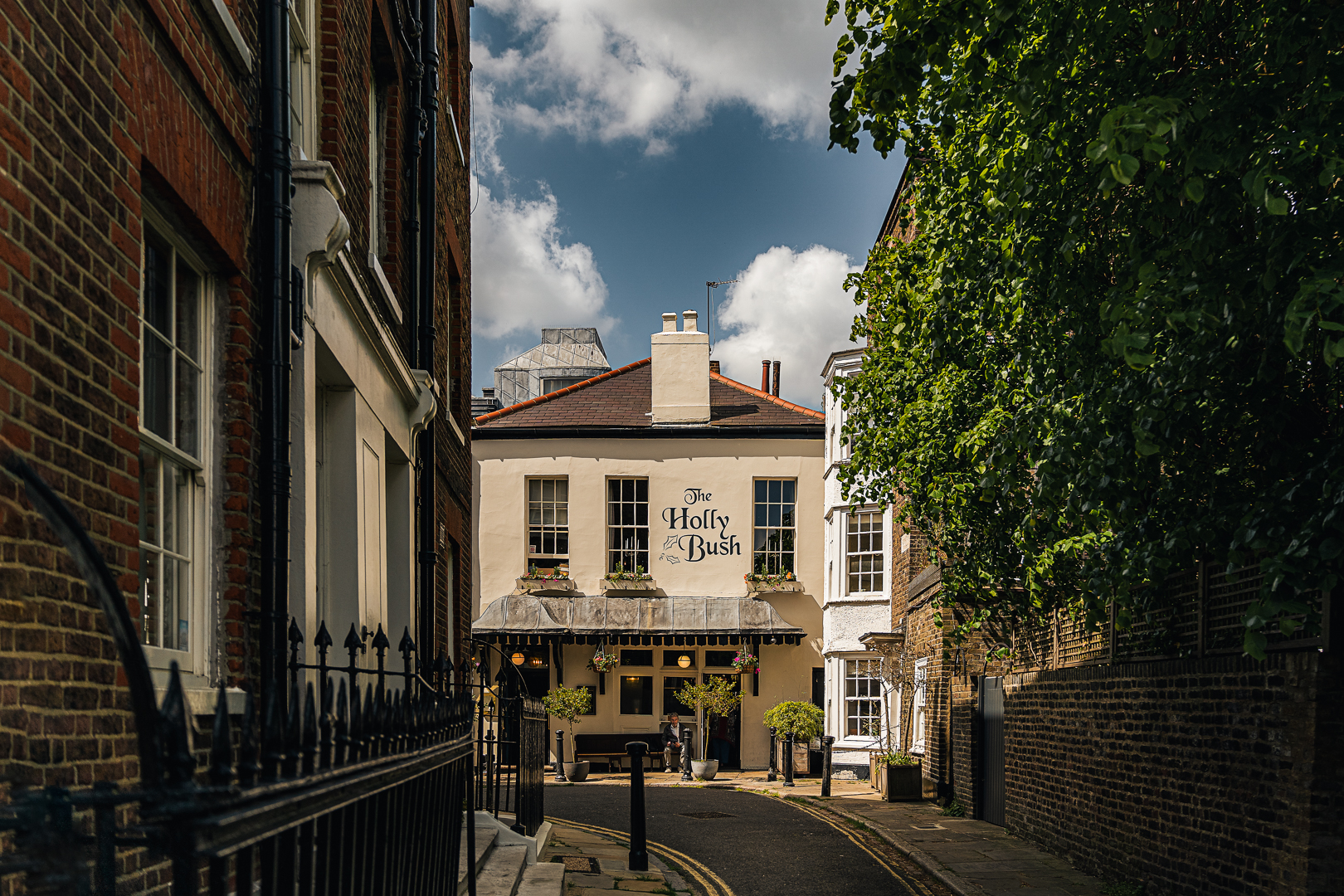
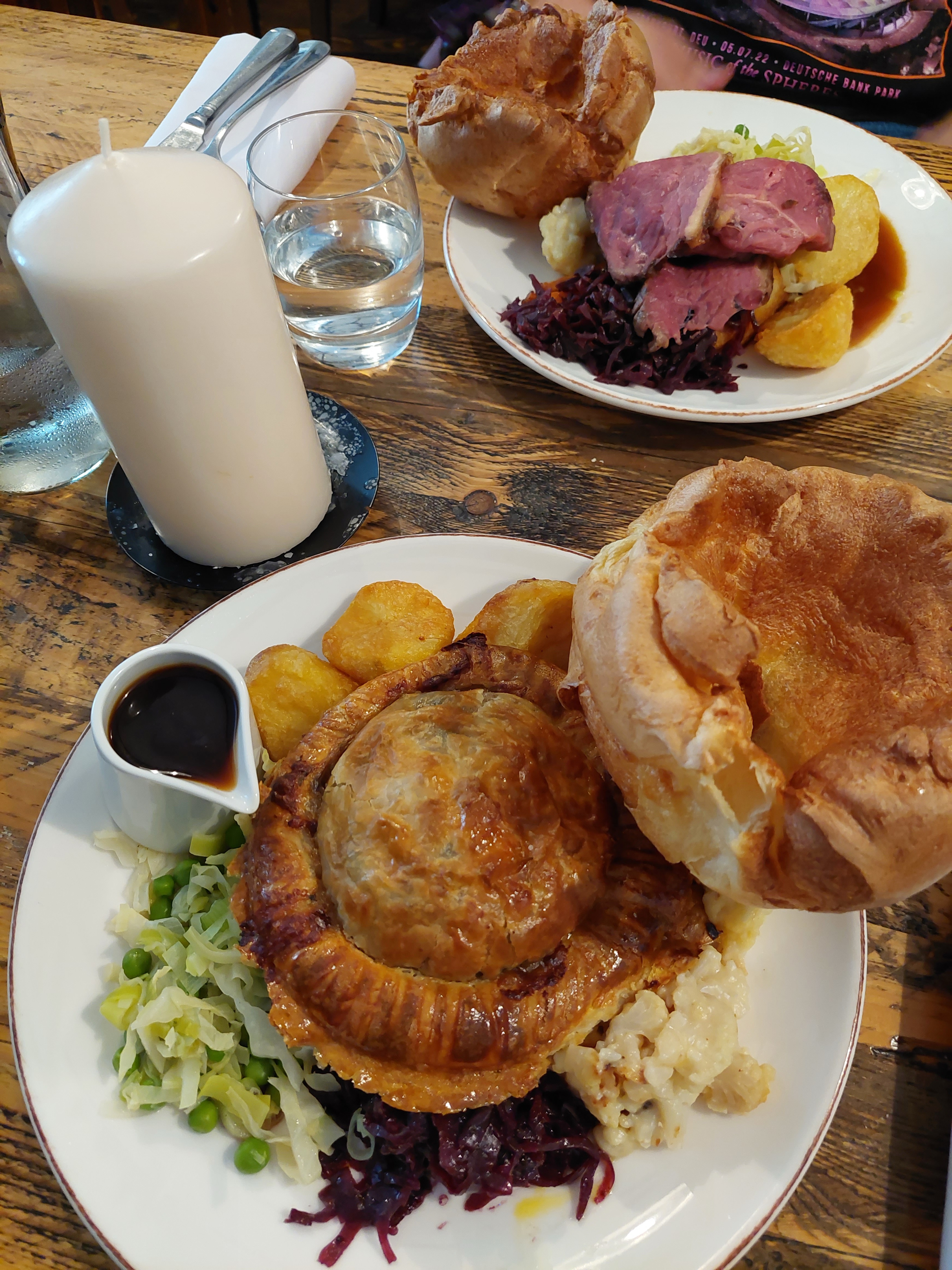
Tucked away in the heart of Hampstead, The Holly Bush is one of London’s most famous gastropubs. Housed inside a beautiful 18th-century building, it’s known for elevated British pub food, a cozy atmosphere, and an impressive Sunday roast. Thanks to its location in one of London’s most affluent neighborhoods, it’s also gained a reputation as a celebrity hotspot, with famous faces occasionally spotted among the regular diners.
This is definitely a splurge compared to your average pub meal, but if you’re looking for a special dining experience, I’d say it’s worth it. The Sunday roast is genuinely one of the best I’ve had, and the whole place feels incredibly charming. Between the historic interior, excellent food, and Hampstead location, it’s the kind of place that feels like a proper London treat.
Dishoom
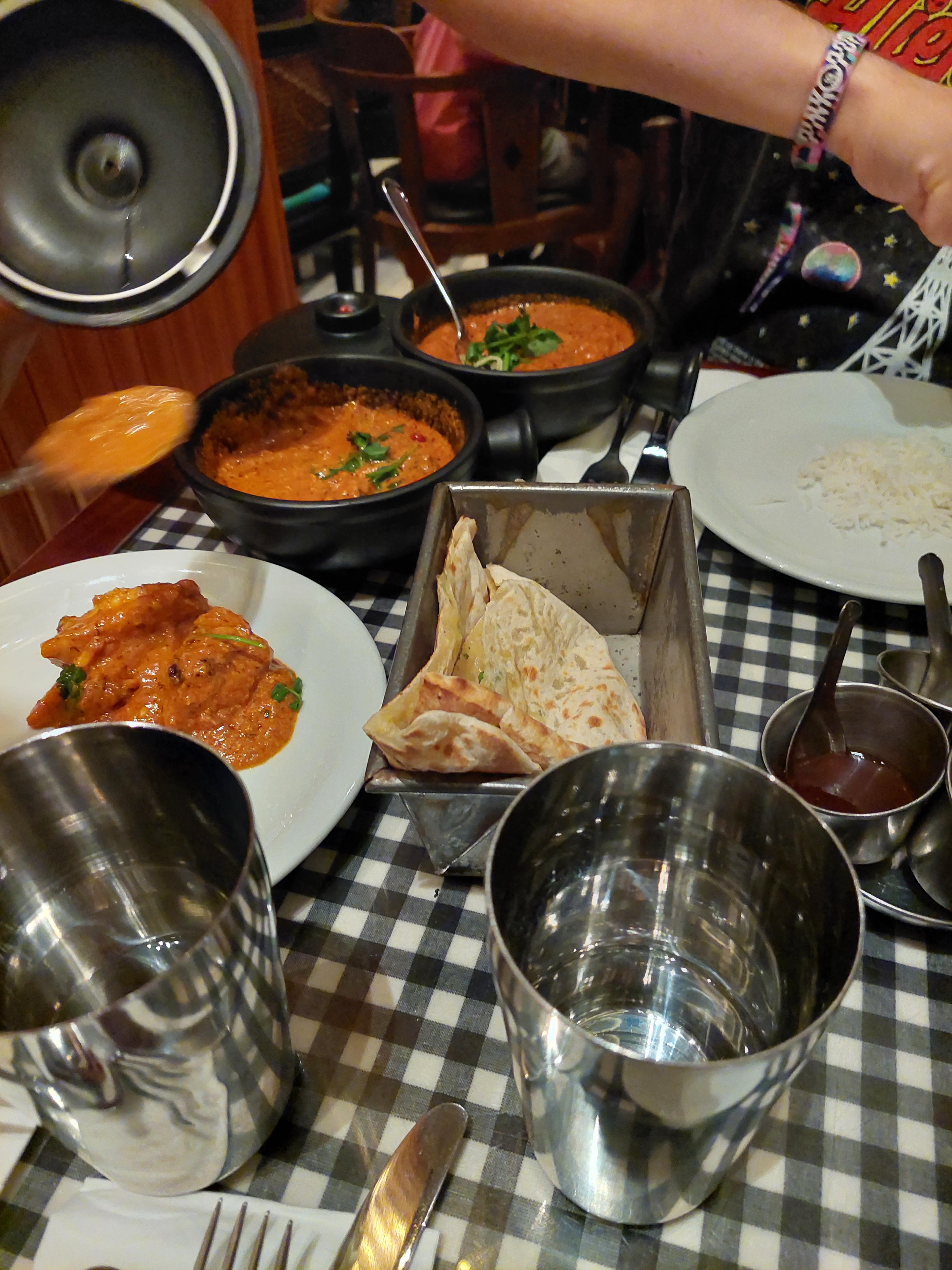
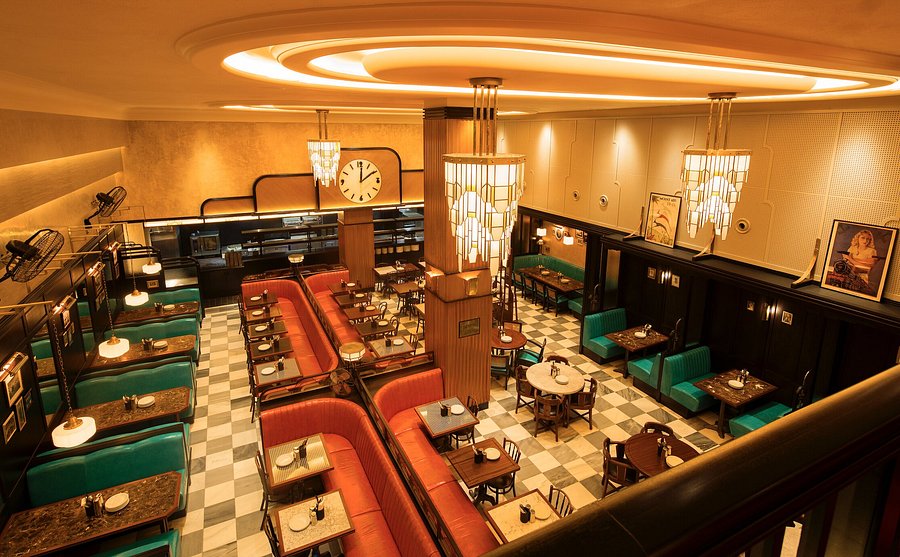
Dishoom may be a chain, but don’t let that fool you. Inspired by the old Irani cafés of Bombay, Dishoom has built a cult following thanks to its incredible Indian food, atmospheric interiors, and consistently high quality. Expect everything from rich curries and biryanis to their famous breakfast naan rolls and house black daal.
I know recommending a chain feels slightly controversial in a travel guide, but honestly? Dishoom deserves the hype. Every meal I’ve had there has been excellent, and it’s one of those places I find myself returning to again and again. If you’re craving Indian food in London, this would be one of my first recommendations.
Blank Street
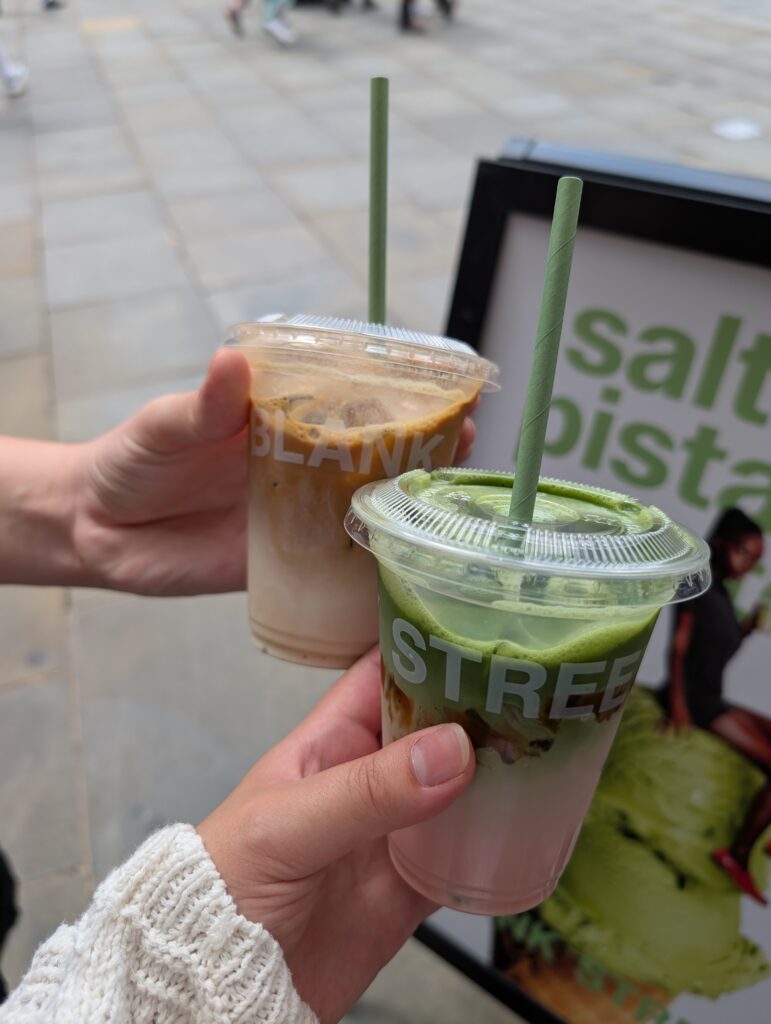
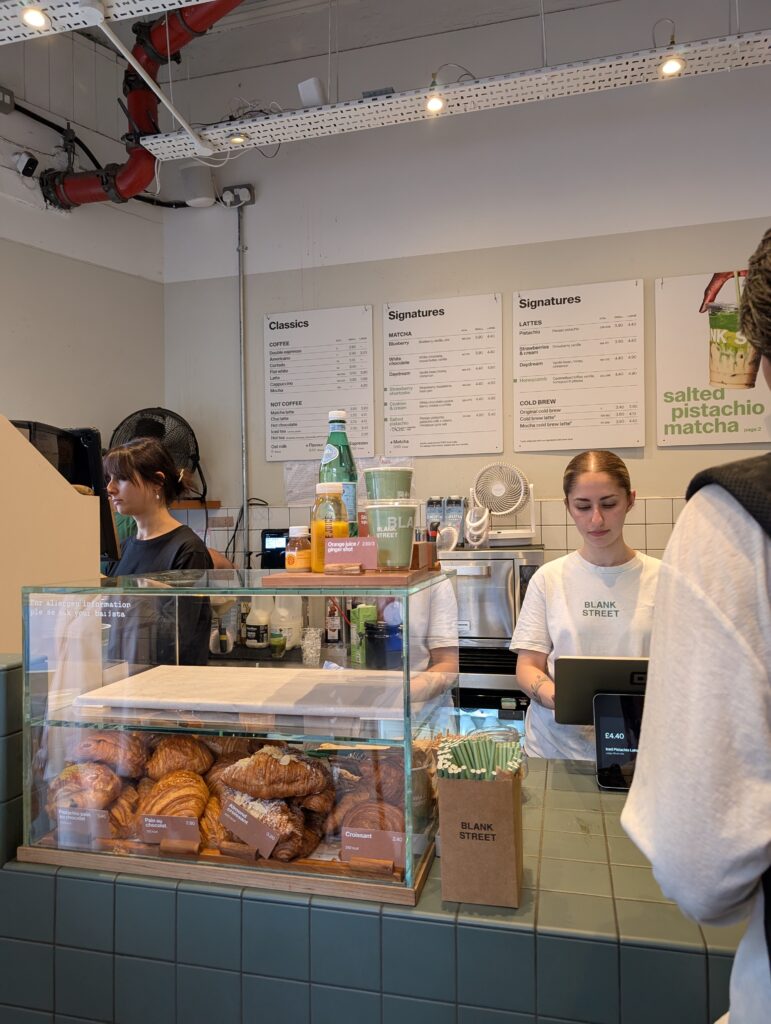
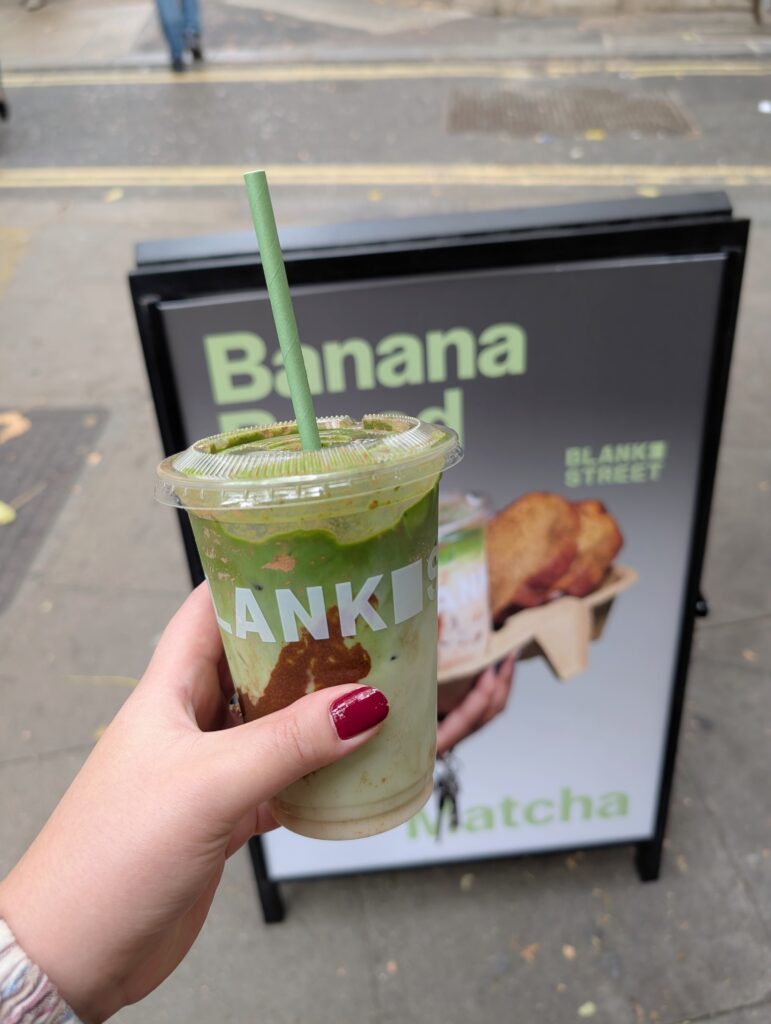
Blank Street Coffee has quickly become one of the most recognizable coffee chains in London, serving specialty coffee, matcha, and a rotating menu of seasonal drinks. You’ll find locations all over the city, making it an easy stop while sightseeing.
Yes, it’s another chain, but I genuinely don’t care. Every time I’m in London, I somehow end up at Blank Street at least once a day. We don’t have it where I live, so it feels like a little holiday tradition at this point. I especially love their seasonal drinks and matcha specials, and I’m always excited to see what flavor they’ve come up with next.
Bunsik
If you’re craving Korean street food, Bunsik is a must-visit. Specializing in Korean-style corndogs, tteokbokki, kimbap, and other street food favorites, it’s become hugely popular among both locals and tourists looking for a quick, affordable bite.
My order is always the same: the mozzarella corndog coated in potato cubes with buldak mayo. You’re welcome. It’s crispy, cheesy, slightly spicy, and honestly one of my favorite comfort foods in London. If you’ve never tried a Korean corndog before, Bunsik is the perfect place to start.


Suggested London Itineraries
One of the things I love most about London is that no two trips ever look the same. I’ve visited more times than I can count, and every visit feels completely different depending on the season, who I’m travelling with, and what kind of trip I’m after. If you’re looking for a ready-made plan, here are a few of my favourite London itineraries based on previous trips.
Exploring London in 3 Days: A Perfect Itinerary
Perfect for first-time visitors who want to tick off London’s biggest highlights while still experiencing some of the city’s unique neighbourhoods.
Day 1
- South Bank walk
- London Eye
- Big Ben & Houses of Parliament
- Trafalgar Square
- National Gallery
- Piccadilly Circus
- Oxford Street
- Chinatown
Day 2
- IFS Cloud Cable Car
- The O2
- Uber Boat on the Thames
- Covent Garden
Day 3
- Notting Hill
- Portobello Road
- Camden Market
- Regent’s Canal
This itinerary combines London’s most iconic landmarks with a few fun local favourites and is ideal if you’re visiting the city for the very first time.
48 Hours in London for the Not-So-First-Time Visitor
Already visited London before? This itinerary focuses on places beyond the usual tourist checklist for a weekend visit.
Day 1
- Tower of London
- British Library Treasures Gallery
- Barbican Centre
- Millennium Bridge
- St Paul’s Cathedral
Day 2
- Houses of Parliament Tour
- Westminster Abbey
- St James’s Park
- Piccadilly
- Regent Street
- Oxford Street
This is one of my favourite itineraries for repeat visitors because it mixes history, architecture, hidden gems, and shopping without feeling rushed.
A Mother-Daughter London Adventure
This itinerary is based on a special autumn trip I took with my mum and combines some of my favourite museums, shopping spots, and seasonal experiences.
Day 1
- Sir John Soane’s Museum
- Blank Street Coffee
- Oxford Street shopping
- Liberty London
- Shake Shack
Day 2
- British Museum
- Fortitude Bakehouse
- Chinatown
- Bunsik
- Harrods
Day 3
- Kensington Palace
- Kensington Gardens
- Shotengai Market at Coal Drops Yard
- Word on the Water
- Nando’s
This itinerary is perfect for travellers who enjoy museums, shopping, cosy cafés, and a slower pace of sightseeing.
4 Days in London: Summer Edition
If you’ve got a little more time and you’ve already visited London before, my summer itinerary is ideal. It focuses on hidden gems, botanical gardens, unique viewpoints, and neighbourhoods that many first-time visitors never get around to exploring.
Day 1: Gardens, Museums & a Picnic
- Chelsea Physic Garden
- Natural History Museum
- Harrods Food Hall
- Picnic in Hyde Park
Day 2: Hidden Corners & Rooftop Views
- St Dunstan in the East
- Leadenhall Market
- The Lookout
- The Garden at 120
- Evening visit to Kew Gardens
Day 3: Battersea Power Station
- Explore Battersea Power Station
- Shopping & riverside walk
- Lift 109 Chimney Experience
- Dinner at one of Battersea’s many restaurants
Day 4: Shopping & Entertainment
- Oxford Street
- Westfield White City
- Electric Cinema White City
It’s one of my favourite London itineraries to date and a great choice for visitors looking to experience a different side of the city.
If you’ve made it this far, you’ll probably understand why London keeps pulling me back time and time again. Whether you’re here for the iconic landmarks, world-class museums, incredible food scene, endless shopping opportunities, beautiful parks and gardens, or simply the atmosphere, there’s always something new waiting to be discovered.
Throughout this guide, I’ve shared everything from practical tips and transport advice to my favorite hotels, viewpoints, museums, markets, restaurants, and hidden gems. I’ve also included suggested itineraries to help you make the most of your time, whether it’s your very first visit or your tenth.
The truth is, you’ll never see all of London in one trip and honestly, that’s part of its charm. Every visit feels different. One trip might be all about ticking off famous sights like Big Ben and Tower Bridge, while the next is spent discovering hidden gardens, browsing markets, trying new restaurants, or exploring neighborhoods you’ve never visited before.
I hope this Bug Girl’s Guide to London helps you plan an unforgettable trip and maybe even discover a few places that weren’t originally on your radar. And if you’re anything like me, don’t be surprised if you leave already planning your next visit.
Xo Bug Girl
Instagram: @thebuggirladventures
Other Posts to Help You Plan Your Trip to London
4 Days in London (Summer Edition): A Repeat Visitor’s Itinerary – Bug Girl Adventures
Free London Viewpoints: The Lookout & The Garden at 120 – Bug Girl Adventures
Visiting Chelsea Physic Garden – London’s Oldest Botanical Garden – Bug Girl Adventures
Exploring London in 3 Days: A Perfect Itinerary – Bug Girl Adventures
Hotel Review: Ibis London Earls Court – Affordable Comfort in West London – Bug Girl Adventures
48 Hours in London for the Not-So-First-Time Visitor – Bug Girl Adventures
A Day at Kew Gardens – What to See, Do & Know Before You Go – Bug Girl Adventures
Tower of London Visitor’s Guide: What to Know Before You Go – Bug Girl Adventures
The Ultimate Camden Market Guide: Best Food, Shops & Travel Tips – Bug Girl Adventures
Soar Above London: Your Guide to the IFS Cloud Cable Car – Bug Girl Adventures
Leave a Reply