
Valencia often gets overshadowed by Spain’s bigger city break destinations like Barcelona and Madrid, but after spending several days here, I can honestly say it deserves far more attention. With its beautiful historic centre, futuristic architecture, peaceful gardens, impressive museums and relaxed Mediterranean atmosphere, Valencia offers a really lovely mix of culture and city life without feeling quite as overwhelming as some of Spain’s larger cities.
I visited Valencia in February, escaping the cold Dutch winter for a few days of sunshine and exploring. I managed to see plenty of the city during my 5-day visit, from the impressive Valencia Cathedral and historic markets to the futuristic City of Arts and Sciences, botanical gardens, museums and the famous Oceanogràfic aquarium.
Although I spent longer in Valencia, I’ve rearranged everything into a 3-day itinerary that focuses on the attractions I think are most worth prioritising. I’ve also included a few optional additions at the end if you have more time. So, if you’re planning a city break and wondering how to spend 3 days in Valencia, here’s the itinerary I’d recommend!
Looking for somewhere to stay in Valencia? Check out the latest hotel offers here.
Day 1: Explore Valencia’s Historic Centre
For your first day in Valencia, I’d recommend getting to know the historic centre on foot. Many of the main sights are relatively close together, making this the perfect day for wandering between landmarks rather than constantly relying on public transport.
Plaça de la Verge
Start your day at Plaça de la Verge, one of Valencia’s most beautiful historic squares.
Surrounded by historic buildings, fountains and lively cafés, it immediately gives you that relaxed Mediterranean feeling. It’s also home to one of the city’s most famous landmarks: Valencia Cathedral.
This is one of those places where I’d recommend taking your time rather than simply stopping for a quick photo. Wander around the square, admire the architecture and then head inside the cathedral.
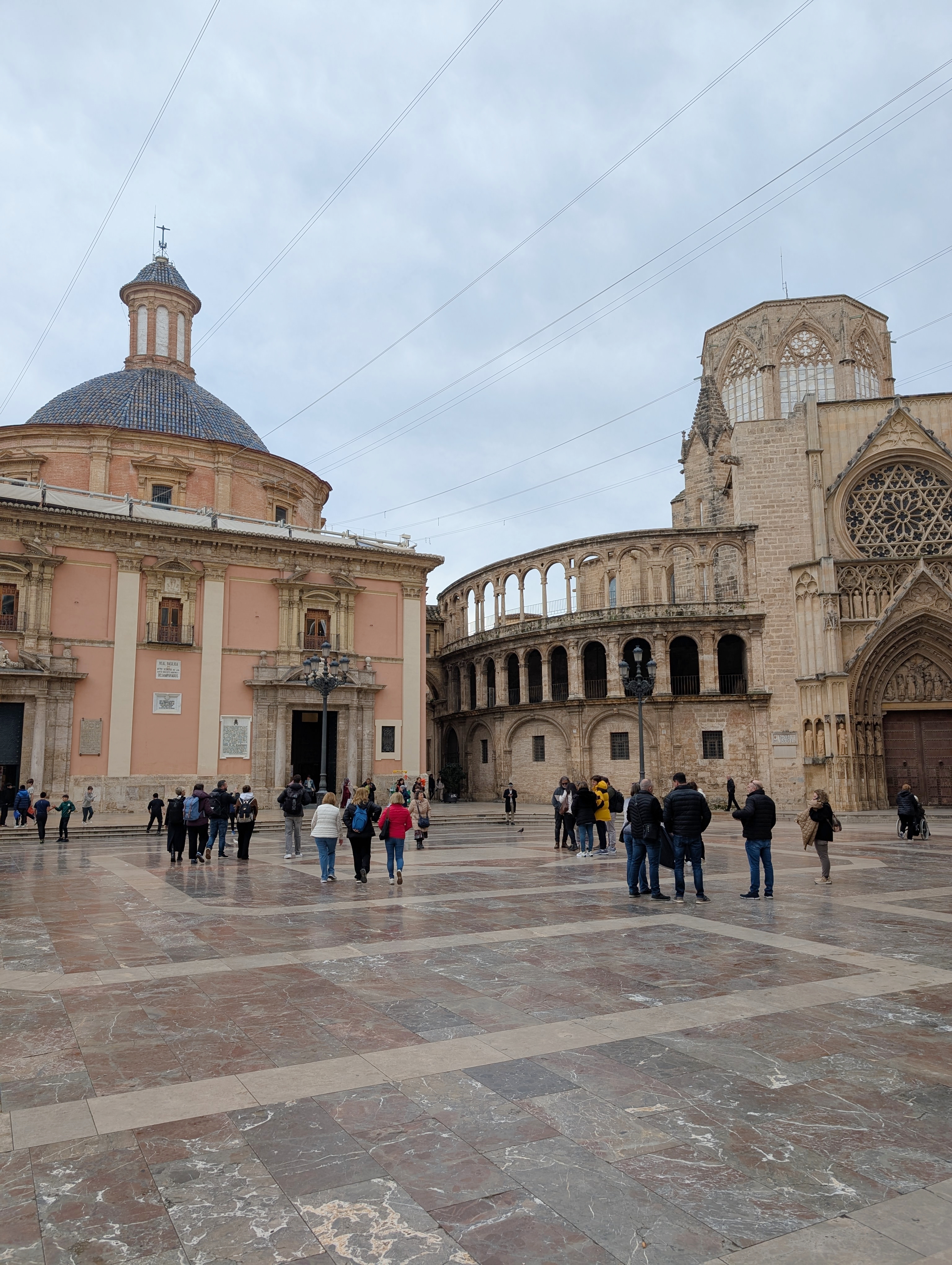
Valencia Cathedral
Valencia Cathedral was one of my favourite stops in the historic centre.
Admission was €12 per person when we visited and included an extensive audio guide, which honestly exceeded all my expectations. I thought I spend maybe half an hour inside, but I ended up staying for well over an hour.
The cathedral is enormous and much more impressive than it appears from the outside. As you wander through its chapels, artwork and grand halls, the audio guide explains the history behind each section, making the visit feel much more immersive than simply walking around looking at the architecture.
Your ticket also includes access to the cathedral museum, where you can see religious artwork and historical artefacts.
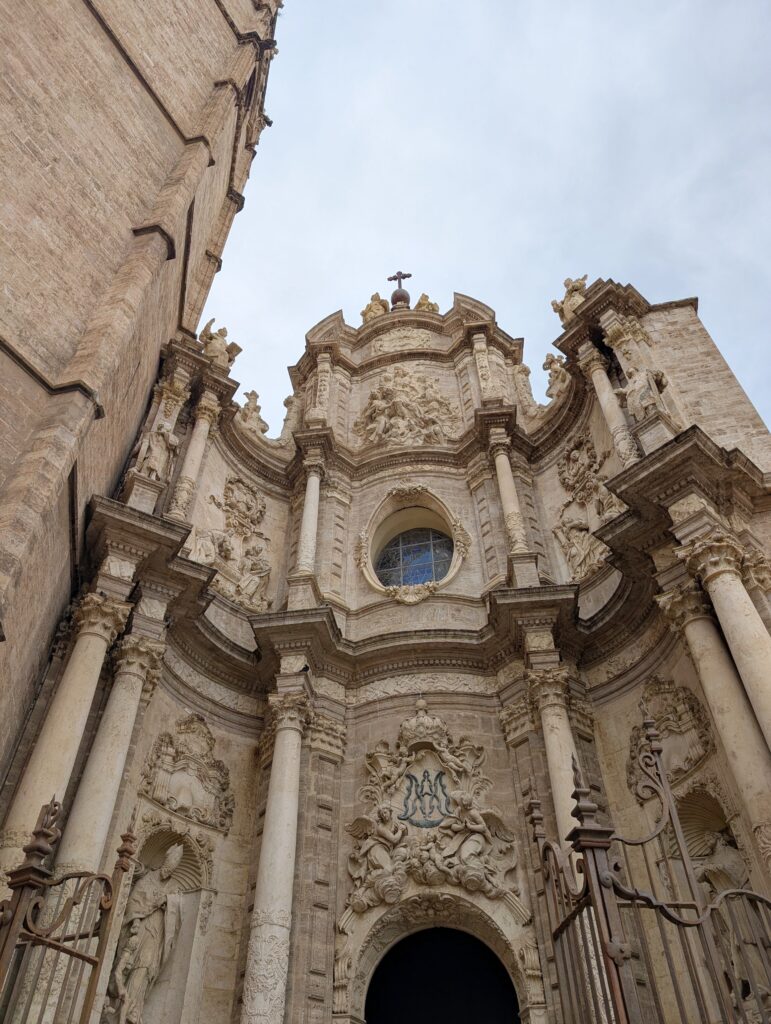
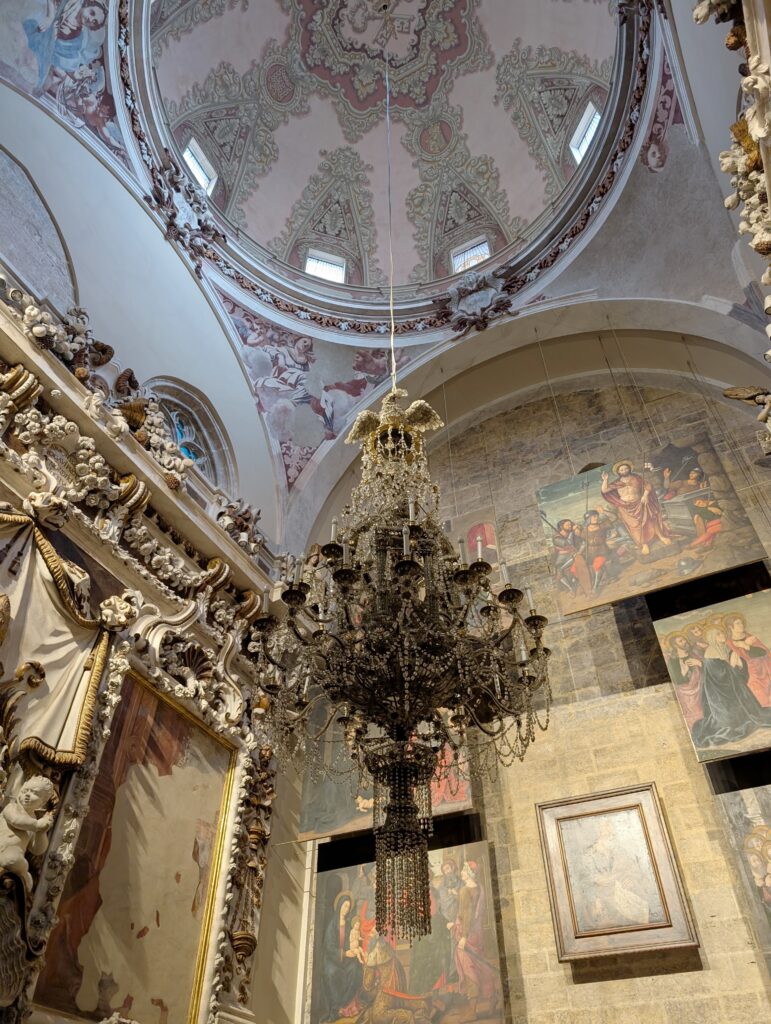
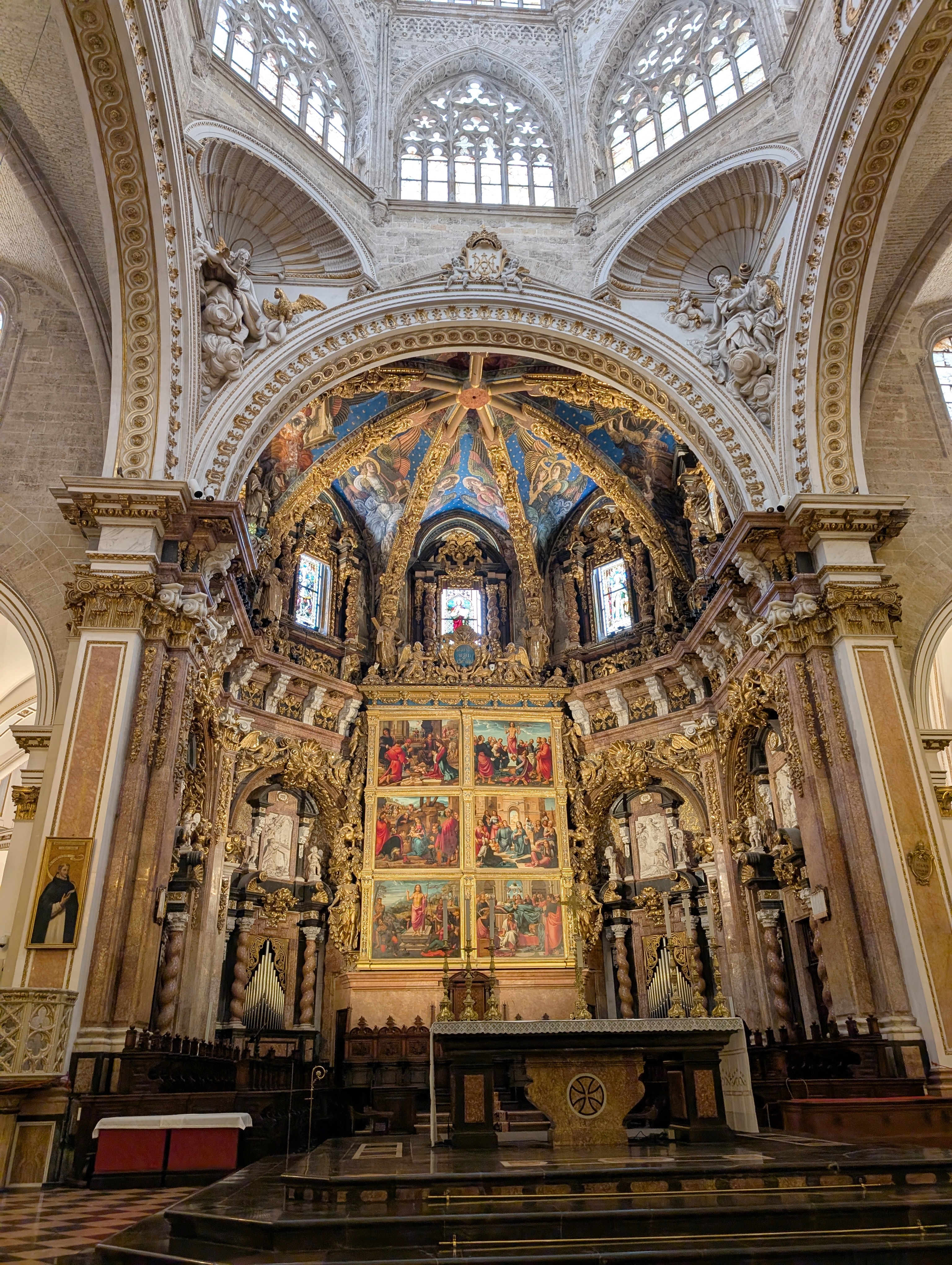
If you’re feeling energetic, you can also climb Miguelete, the cathedral’s famous bell tower, for an additional €3. I decided to skip it this time. Climbing hundreds of steps didn’t sound particularly appealing, especially knowing the hotel I stayed at had a rooftop sky bar with panoramic views waiting for me later!
Overall, I thought the cathedral offered excellent value for money and would definitely include it in a first-time visit to Valencia.
Mercat Central de València
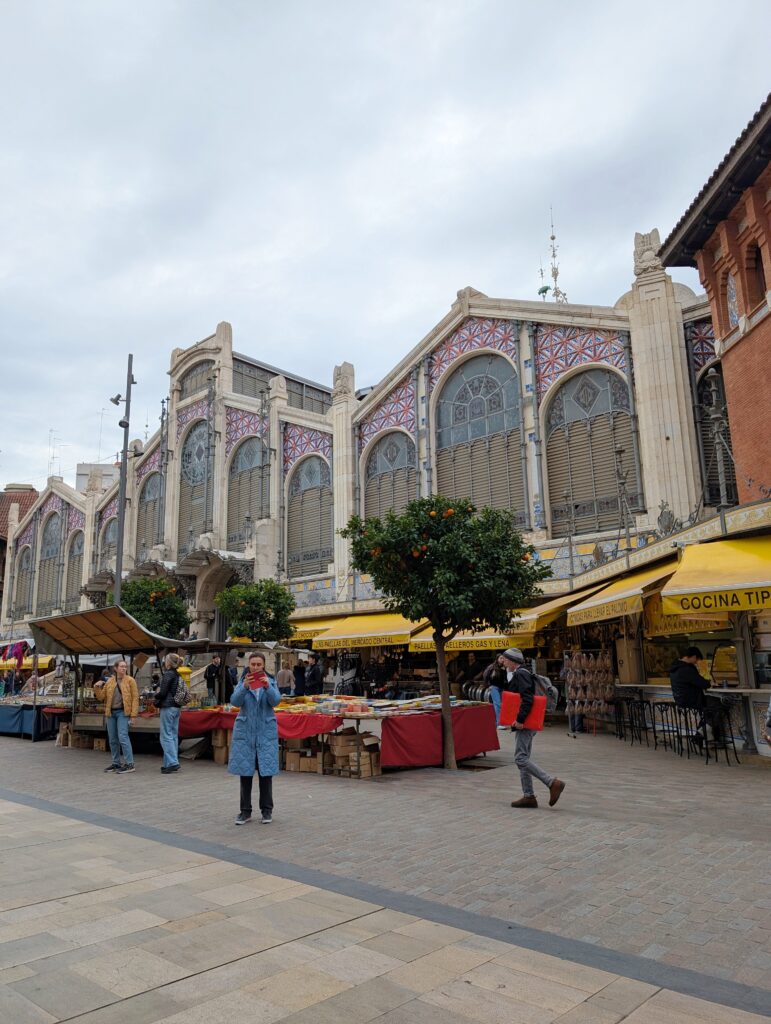
After leaving the cathedral, continue through the historic centre towards Mercat Central de València, one of Europe’s largest and oldest covered food markets.
Even if you’re not planning to buy anything, I think it’s worth stepping inside. The market is full of colourful stalls selling fresh produce, seafood, meats, cheeses, spices, pastries and all kinds of Spanish delicacies.
But even beyond the food, the building itself is worth seeing. The beautiful modernist architecture makes the market feel like an attraction in its own right, and it’s a great place to experience a little bit of everyday Valencia.
You don’t need hours here either. I spent around half an hour wandering through the market, taking everything in before continuing through the city.
Wander Through the Old Town
One of my favourite things about Valencia was simply walking around.
Once you’ve visited the main sights, don’t be afraid to put your map away for a little while and wander through the surrounding streets. Valencia’s historic centre is full of beautiful buildings, little squares and unexpected corners, and this is where you can really get a feel for the city.
Torres de Serranos
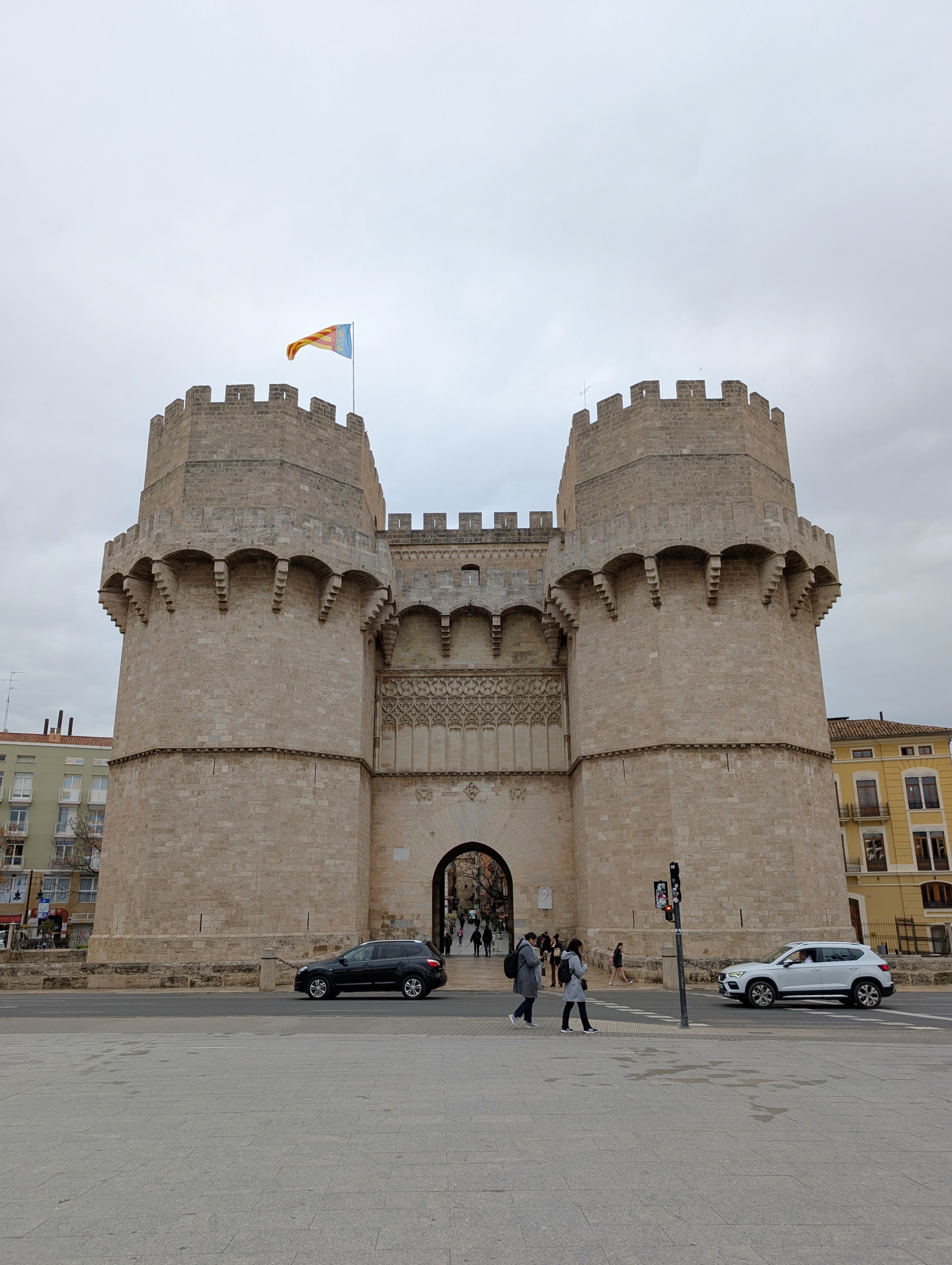
Make your way towards Torres de Serranos, one of Valencia’s ancient medieval city gates.
The towers once formed part of the city’s defensive walls, and even from the outside they’re an impressive sight. They’re a great reminder of just how much history there is tucked into modern-day Valencia.
You can visit the towers if you want to explore further, but even just seeing them from the outside makes for a worthwhile stop while exploring the old town.
Day 2: City of Arts and Sciences & Oceanogràfic
Day two is all about a completely different side of Valencia.
Head outside the historic centre to the City of Arts and Sciences (Ciudad de las Artes y las Ciencias), one of the city’s most recognisable landmarks. Getting there is straightforward by public transport. I used two metro lines with a short walk during the transfer from my hotel, and Valencia’s public transport is both affordable and relatively easy to navigate.
City of Arts and Sciences
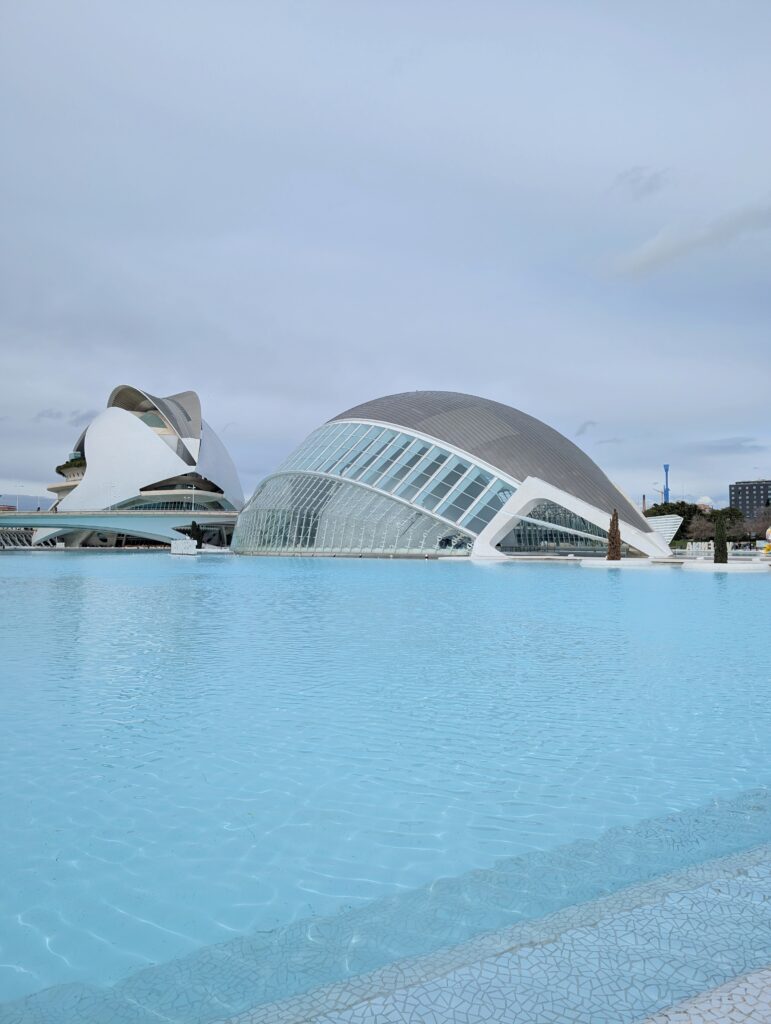
Even before entering any of the attractions, the architecture alone makes the journey worthwhile.
The futuristic white buildings surrounded by turquoise pools and palm trees almost make you feel like you’ve stepped into another world. It’s easily one of the most photogenic places in Valencia, so give yourself some time to simply walk around the complex and admire it.
L’Umbracle
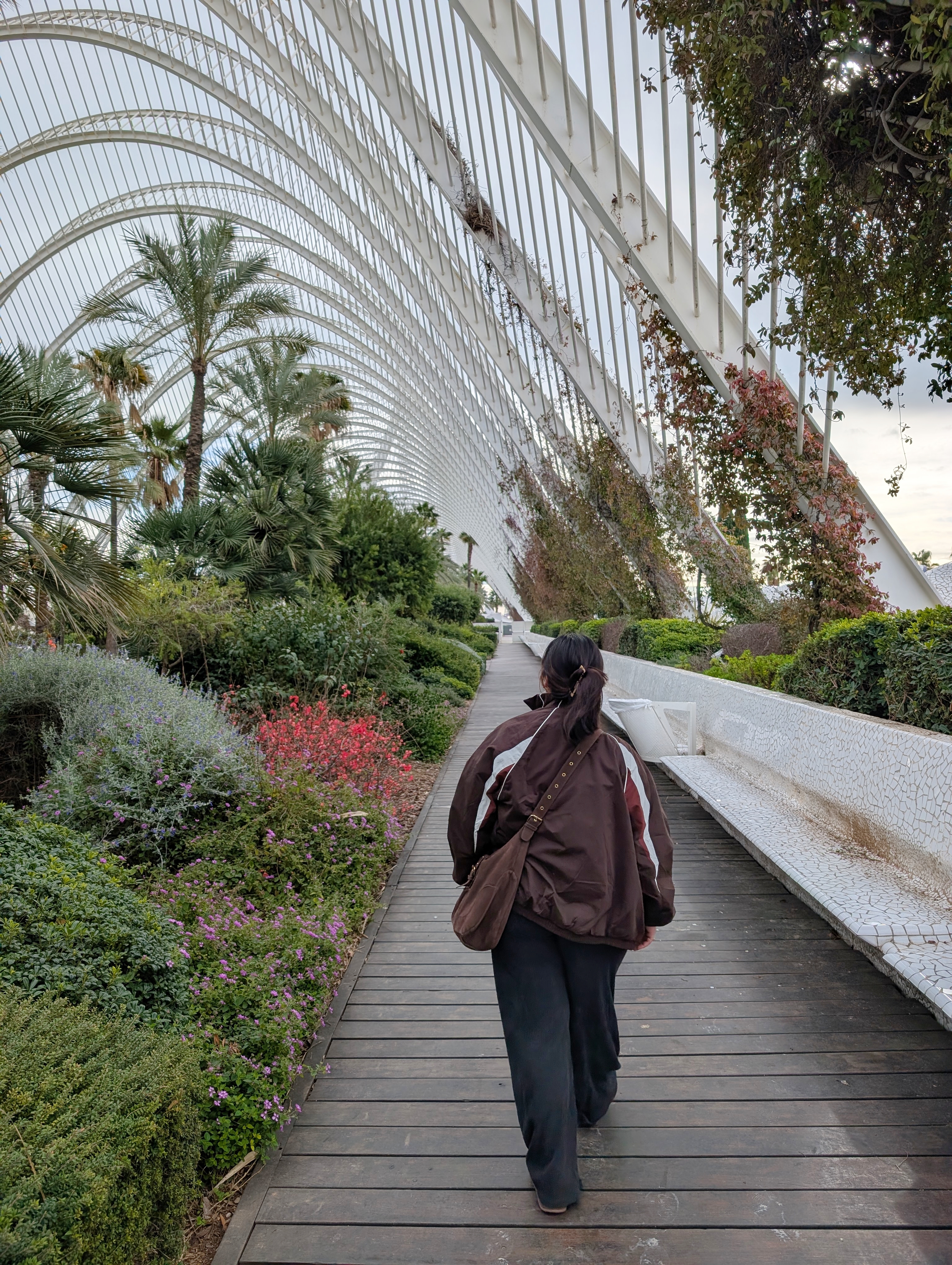
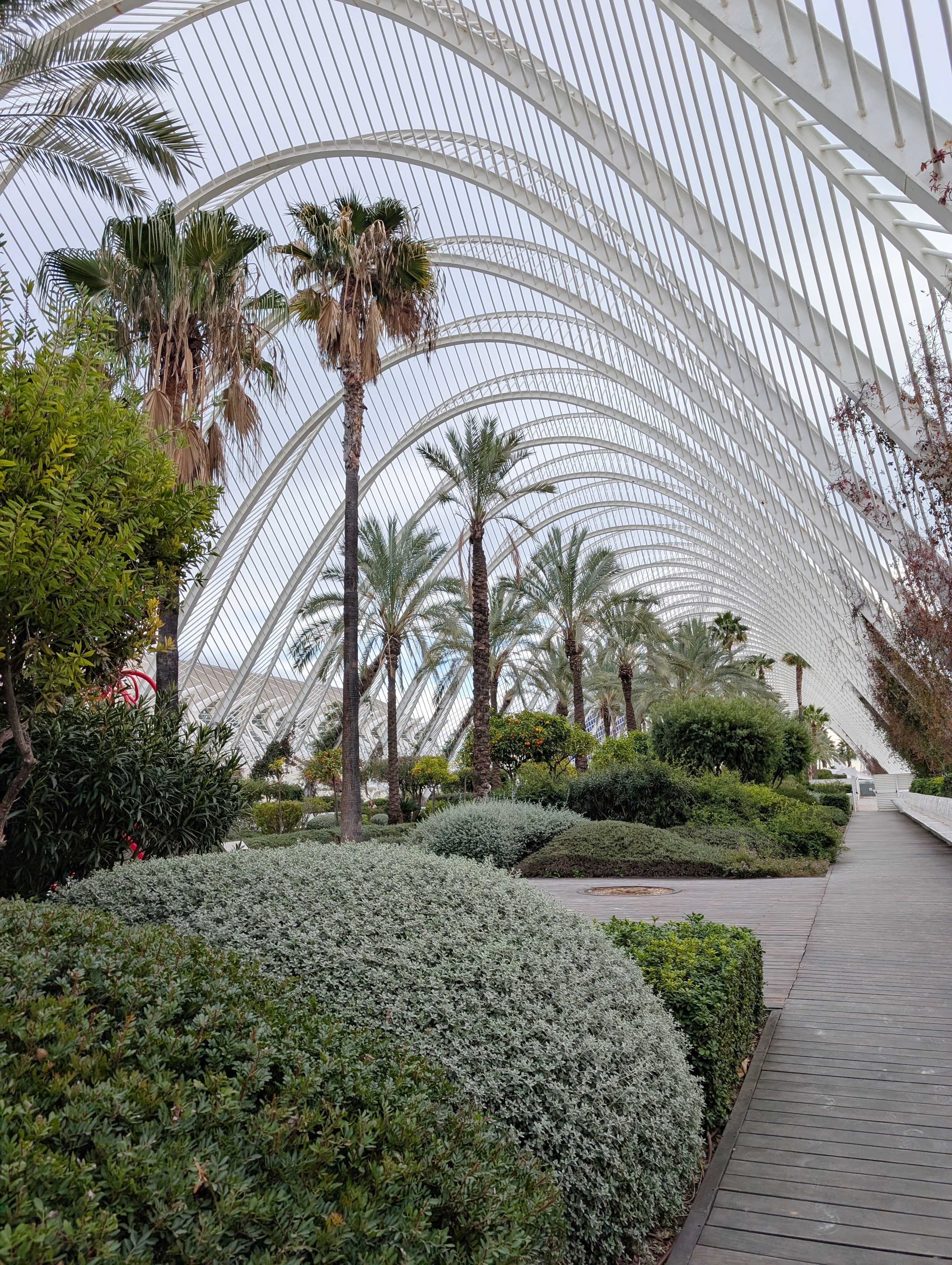
Start with L’Umbracle, a beautifully landscaped open-air garden and promenade stretching above one of the city’s car parks.
It’s filled with elegant white arches, Mediterranean plants, sculptures and walking paths. Best of all, it’s free to visit.
I spent quite a while wandering around here and taking photos from different angles. If you’ve seen those iconic photographs of the City of Arts and Sciences online, there’s a good chance they were taken from around L’Umbracle.
It’s one of my favourite viewpoints in the complex and a great place to start your visit before heading into the paid attractions.
Oceanogràfic Valencia
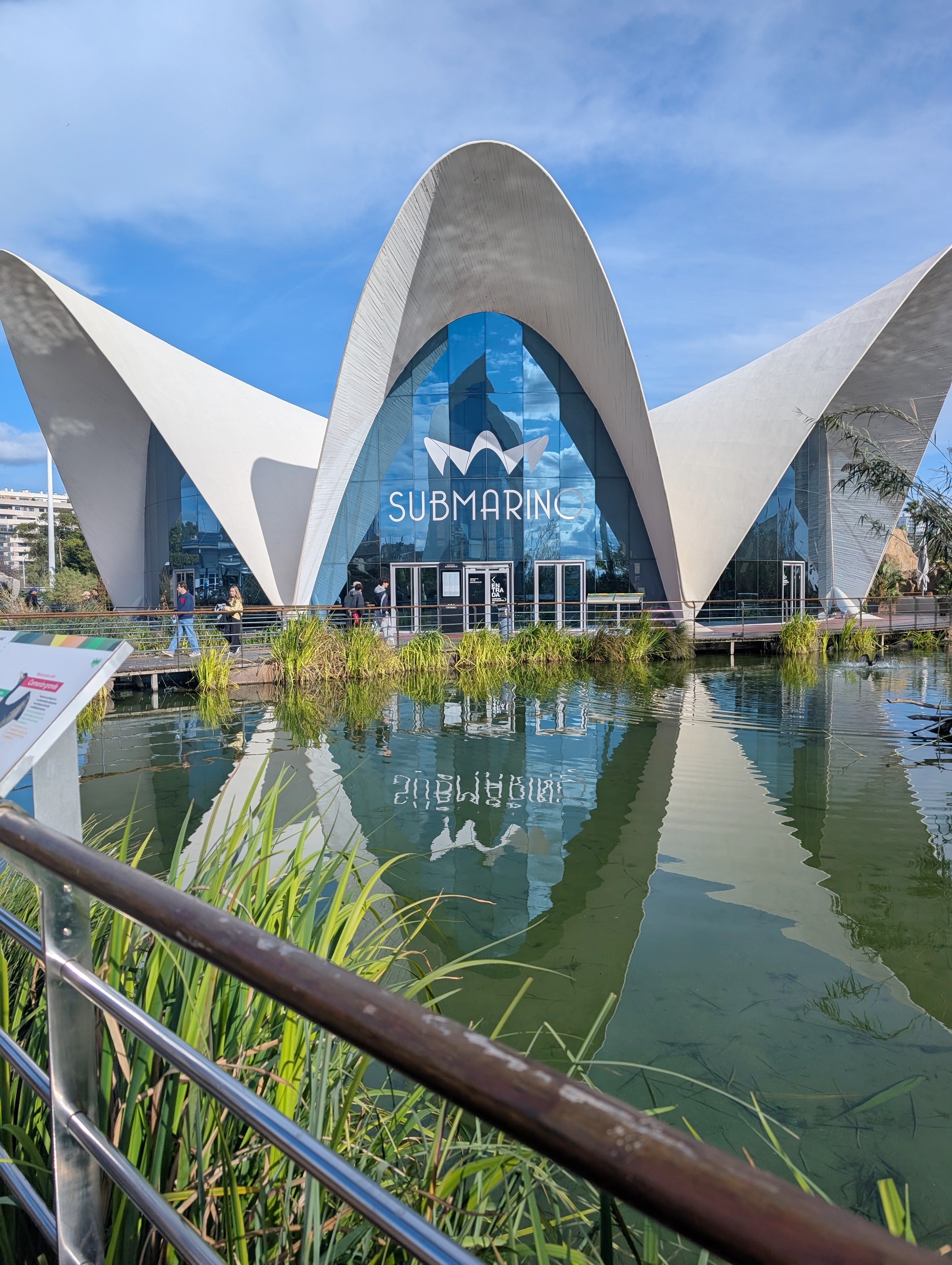
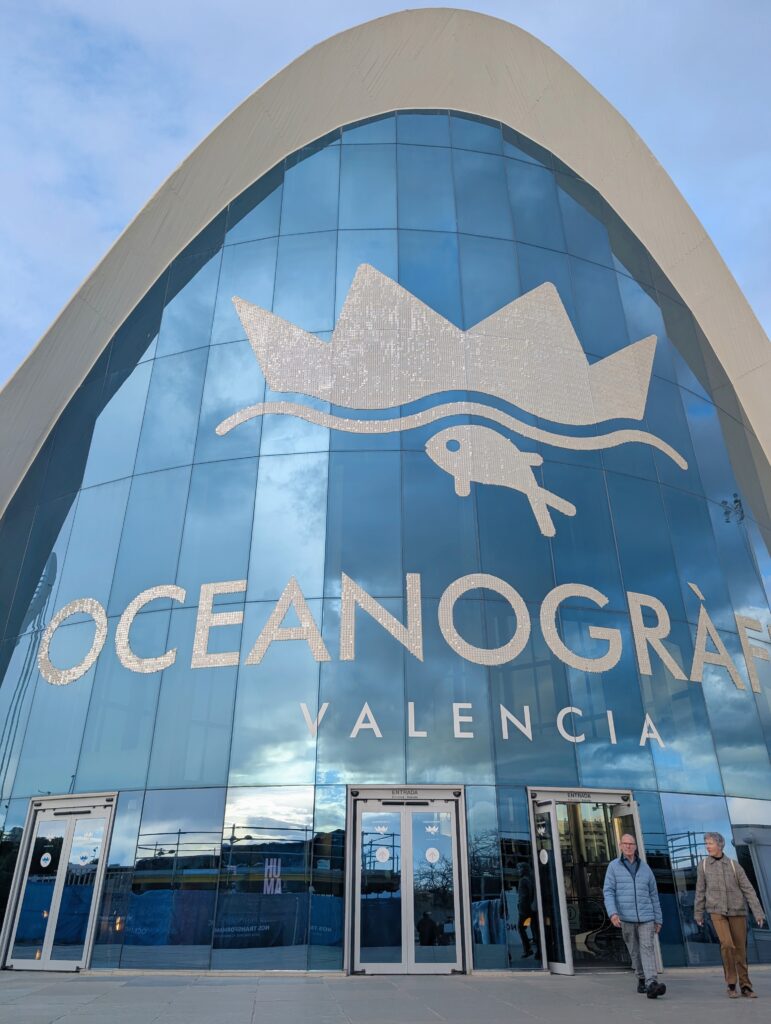
If there’s one attraction I would prioritise at the City of Arts and Sciences, it’s Oceanogràfic Valencia.
This is the largest aquarium in Europe, and honestly, it was one of my favourite attractions of the entire trip.
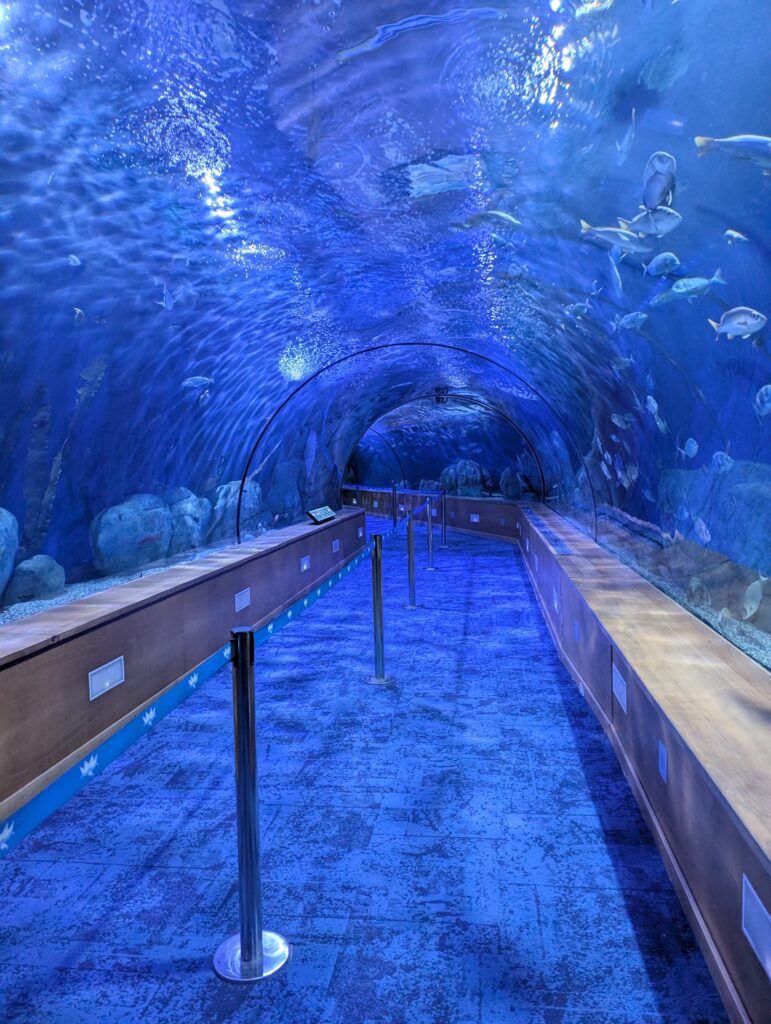
Although it’s the more expensive attraction, I thought it was absolutely worth it. When you first enter, it almost feels like there isn’t that much to see, but don’t let that first impression fool you. A huge part of the aquarium is located underground, and it just keeps going.
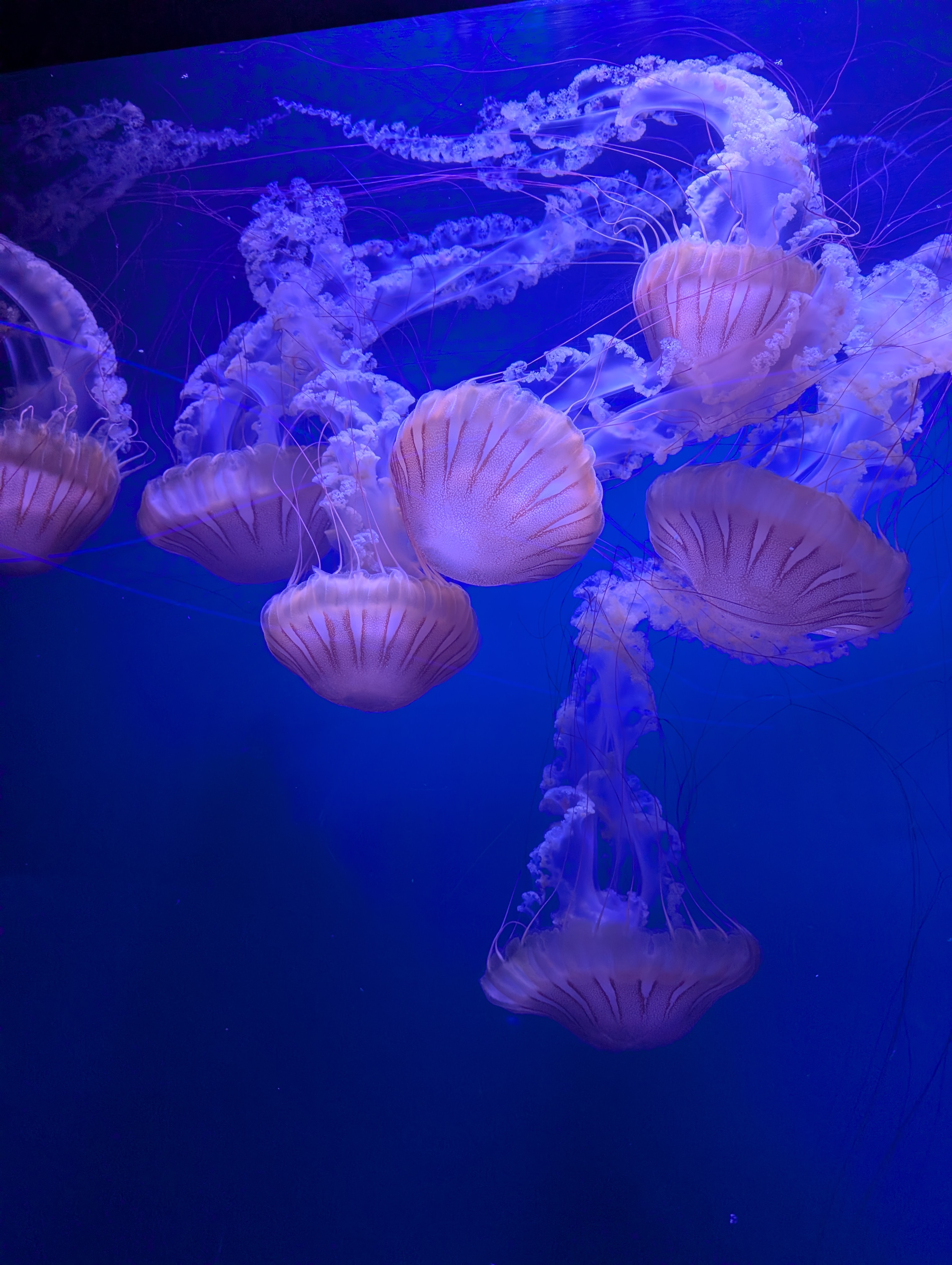
I spent hours exploring the different themed areas, each representing different marine ecosystems. There were colourful tropical fish, rays, sharks, jellyfish, penguins, seals, sea turtles and countless other sea creatures. The aquariums themselves are beautifully designed, and some of them are genuinely breathtaking.
One unexpected highlight was the dolphin show, which was included with my admission ticket. I normally feel a little hesitant about animal shows, but I was pleasantly surprised by how educational and animal-focused it felt.
I actually stayed until closing time without even realising how quickly the hours had passed. That’s always a good sign.
My pick: Oceanogràfic is absolutely worth prioritising. The Science Museum is more of an optional extra, especially if you’re travelling with children.
Planning to visit Oceanogràfic? Book your tickets in advance. Use code THEBUGGIRLADVENTURES5 for 5% off your first in-app booking.
Museu de les Ciències Príncipe Felipe – Optional
The Science Museum is located within the same complex, so it’s easy to combine with Oceanogràfic if you’re interested. I bought a combined ticket for around €35 per person when we visited.
Unfortunately, this ended up being the biggest disappointment of our trip.
The building itself is absolutely stunning, but the museum inside was much smaller than we expected. More importantly, it was clearly designed with younger children in mind. Many of the exhibitions explained scientific concepts at a very basic level, and a lot of the interactive activities were aimed specifically at kids.
That’s entirely on us – we simply hadn’t done enough research beforehand.
My pick: If you’re travelling with children, the Science Museum could be a fun addition. But if you’re travelling as adults and looking for a more in-depth science museum, I personally wouldn’t prioritise it.
Day 3: Botanical Gardens, Art & Traditional Valencia
For your final day, slow things down again and explore some of Valencia’s quieter cultural attractions.
This day is a little less focused on the city’s biggest tourist landmarks and more about seeing another side of Valencia.
Jardín Botánico de Valencia
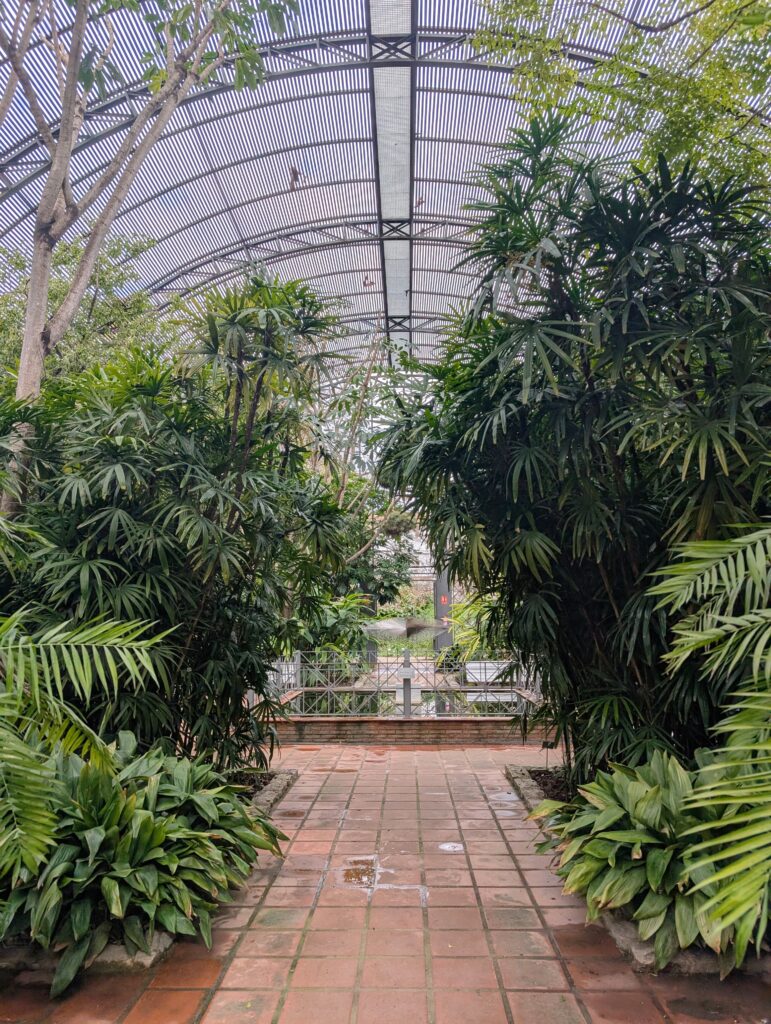
Start your morning at the Jardín Botánico de Valencia, the botanical garden belonging to the University of Valencia.
Located just outside the historic centre, this peaceful green space is home to thousands of plant species from around the world and is part of the Botanical Gardens Conservation International network.
If you know me, you probably know I’m incapable of visiting a city without checking whether it has a botanical garden. So naturally, this one had to make it onto my itinerary.
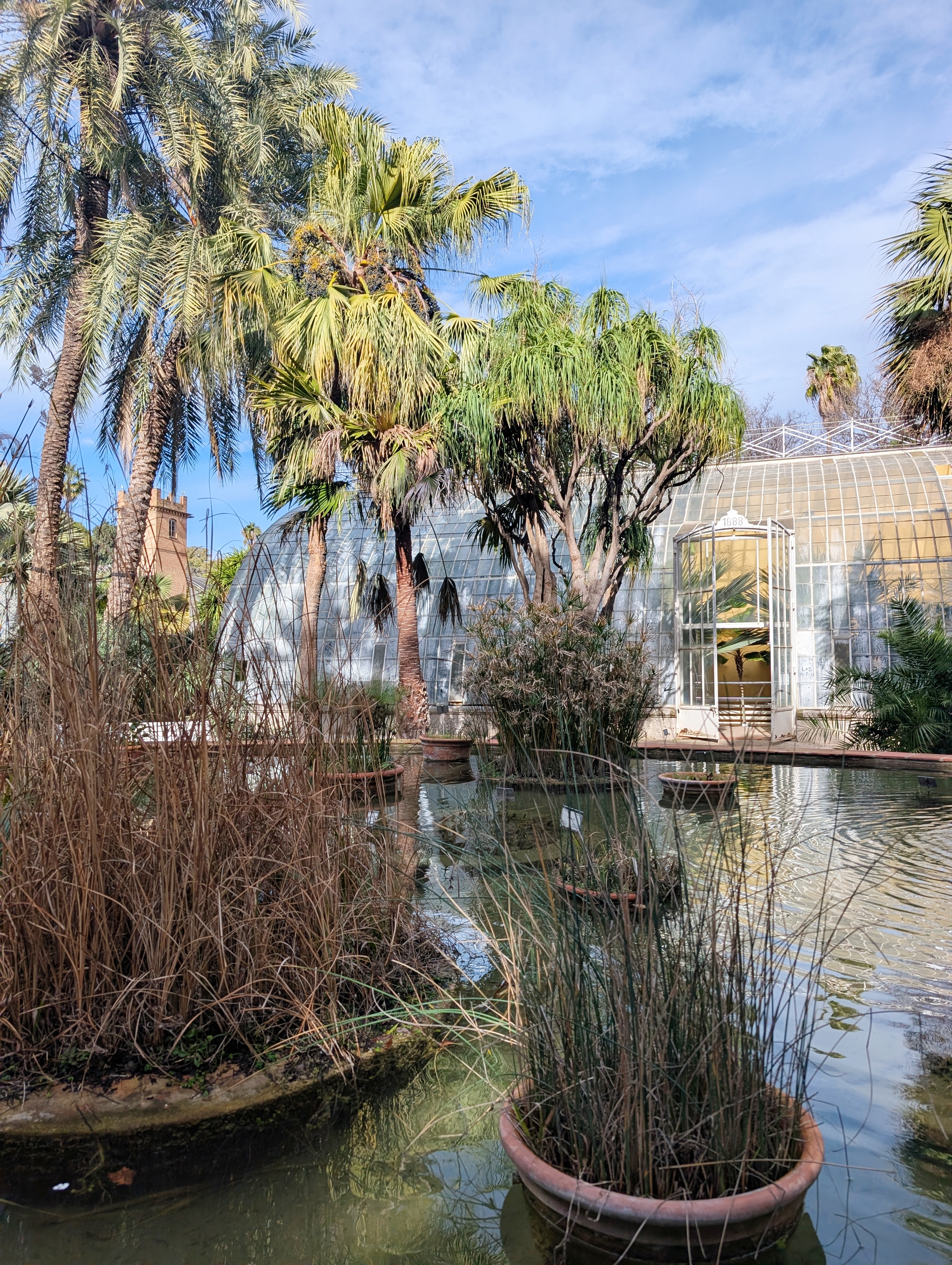
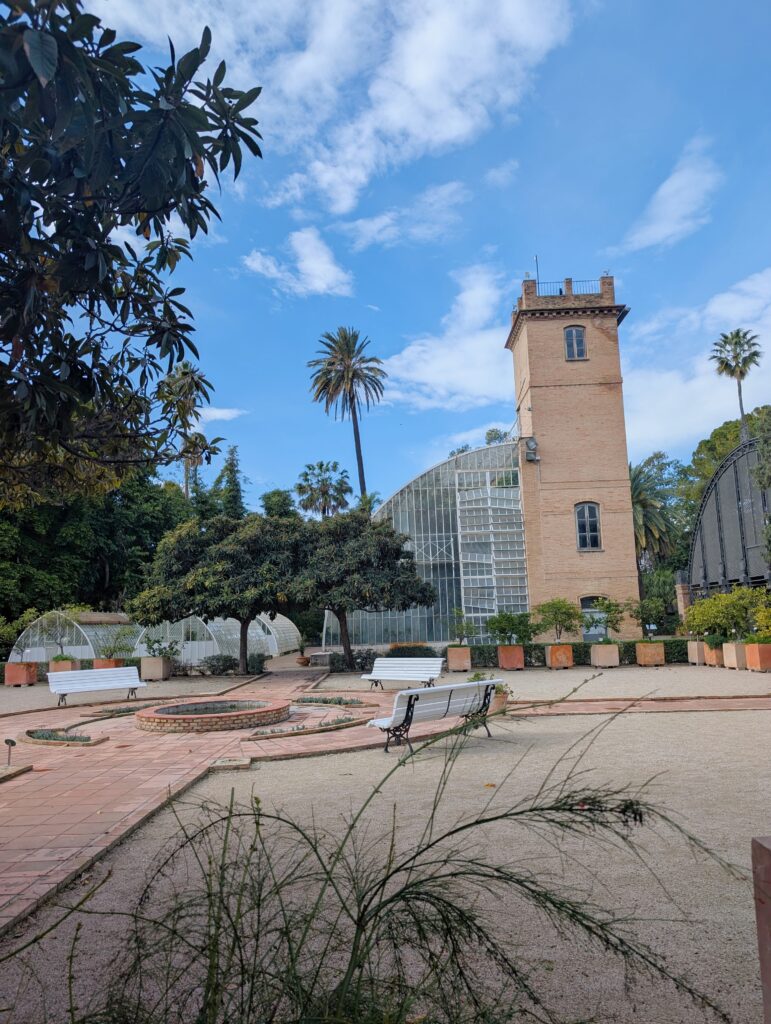
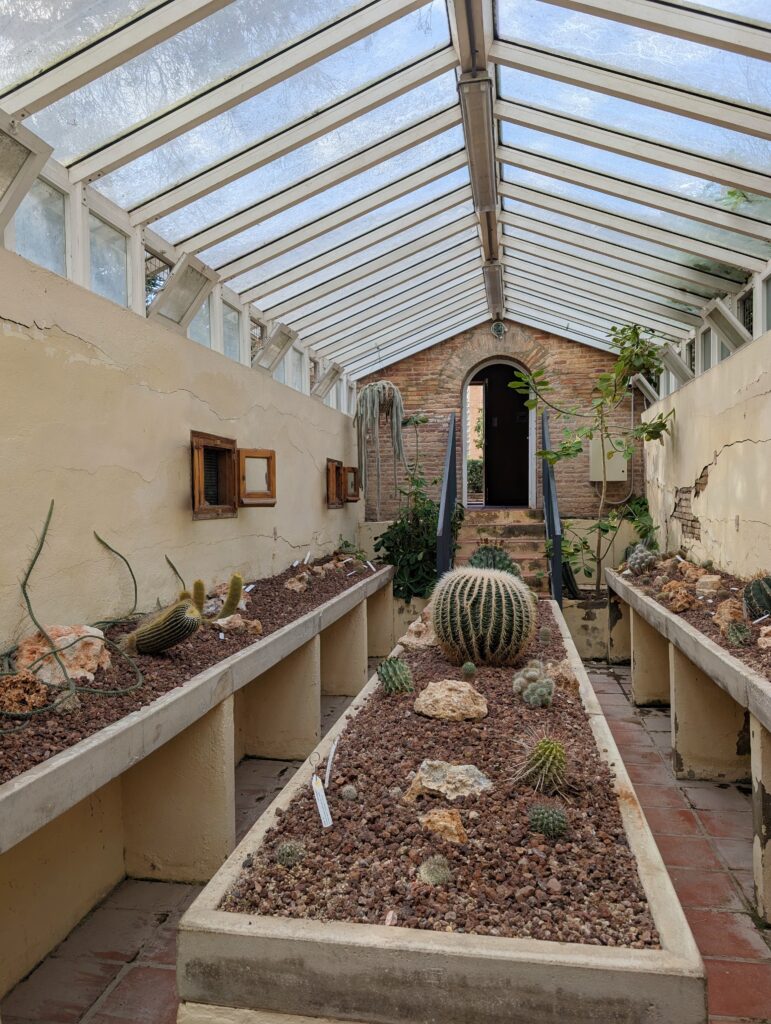
It isn’t the biggest botanical garden I’ve visited, but I thought it was absolutely lovely. Admission was only €4 when I visited, making it one of the best-value attractions of the trip.
The historic glasshouses were definitely my favourite part, and there was an impressive collection of cacti and other desert plants that I happily wandered around photographing for far longer than my travel partner probably would’ve liked.
If you only have one or two days in Valencia, I wouldn’t say this is an absolute must-see. But if you enjoy plants, gardens or simply want a peaceful break from the busy city streets, I’d definitely recommend adding it!
Museu de Belles Arts de València
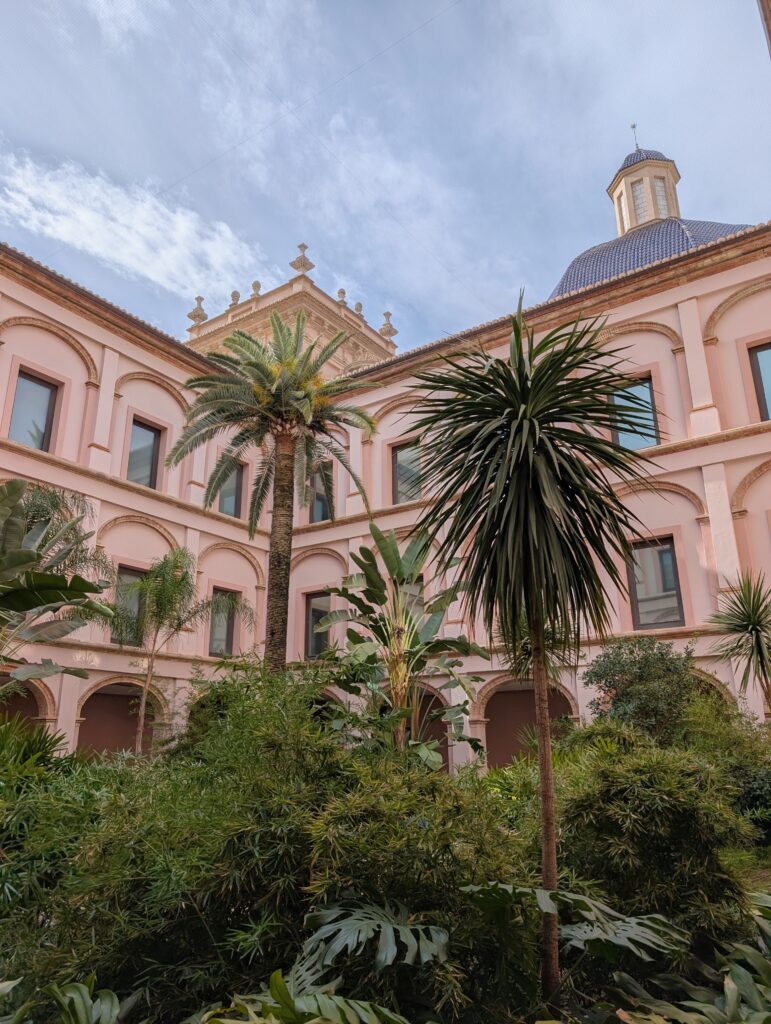
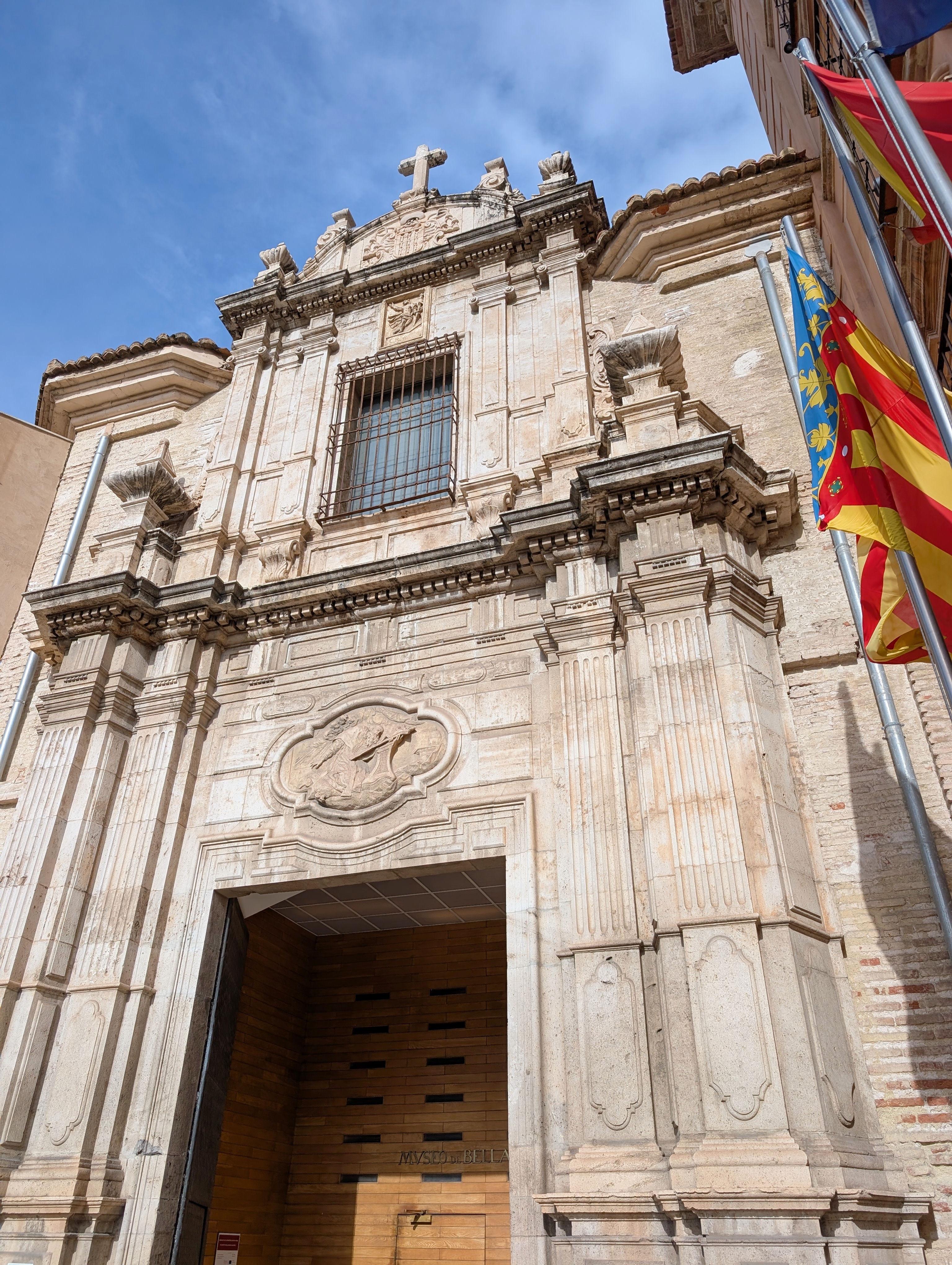
Next, make your way towards the Museu de Belles Arts de València, one of Spain’s important fine art museums.
And the best part? Admission is completely free.
Even if you’re not the biggest art lover, I’d still recommend stopping by. The building itself is beautiful, with a peaceful courtyard filled with greenery that makes a lovely first impression before you even enter the galleries.
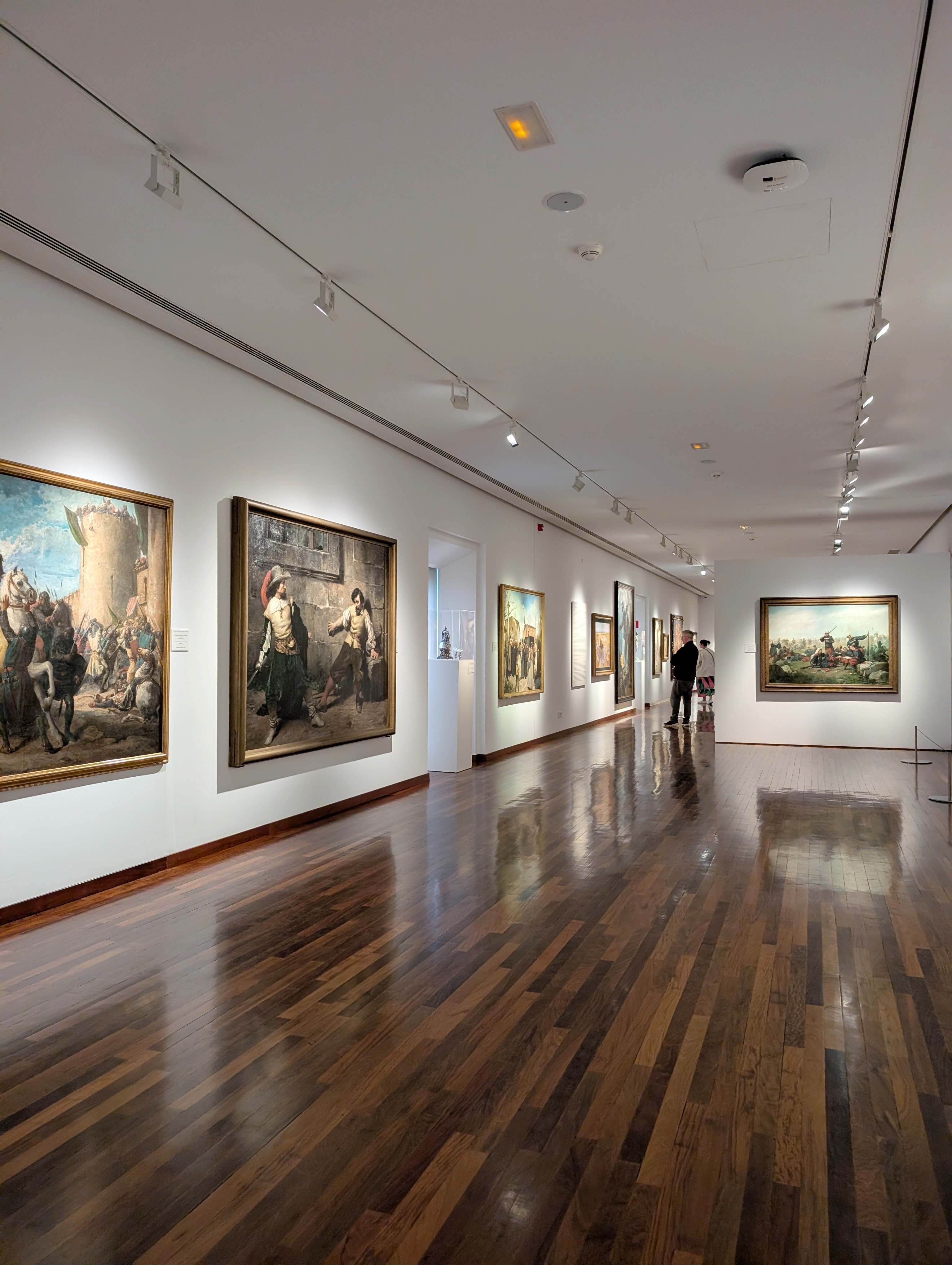
Inside, the museum houses an impressive collection of paintings spanning several centuries, with a particular focus on Valencian artists and works from the surrounding region.
I actually found this more interesting than museums that only showcase famous international masterpieces. Seeing so much art connected to the region gave us a better understanding of Valencia’s own artistic history and culture.
We ended up spending quite a while here, and for a free museum, I thought it was fantastic.
Jardín del Real / Viveros Gardens
After the museum, head to Jardín del Real, also known as the Viveros Gardens. Jardín del Real/Viveros is a large public city park, located right next to the Museum de Belles Arts de València (our previous spot).
Viveros felt like the perfect place to unwind after a day of sightseeing. We wandered along peaceful paths past duck ponds, colourful rose gardens, children’s playgrounds and even large bird aviaries. It felt surprisingly spacious and calm considering how close it is to the city centre.
If you still have some energy left, you can also visit the Natural Science Museum, which is located within the park.
Try Traditional Churros con Chocolate
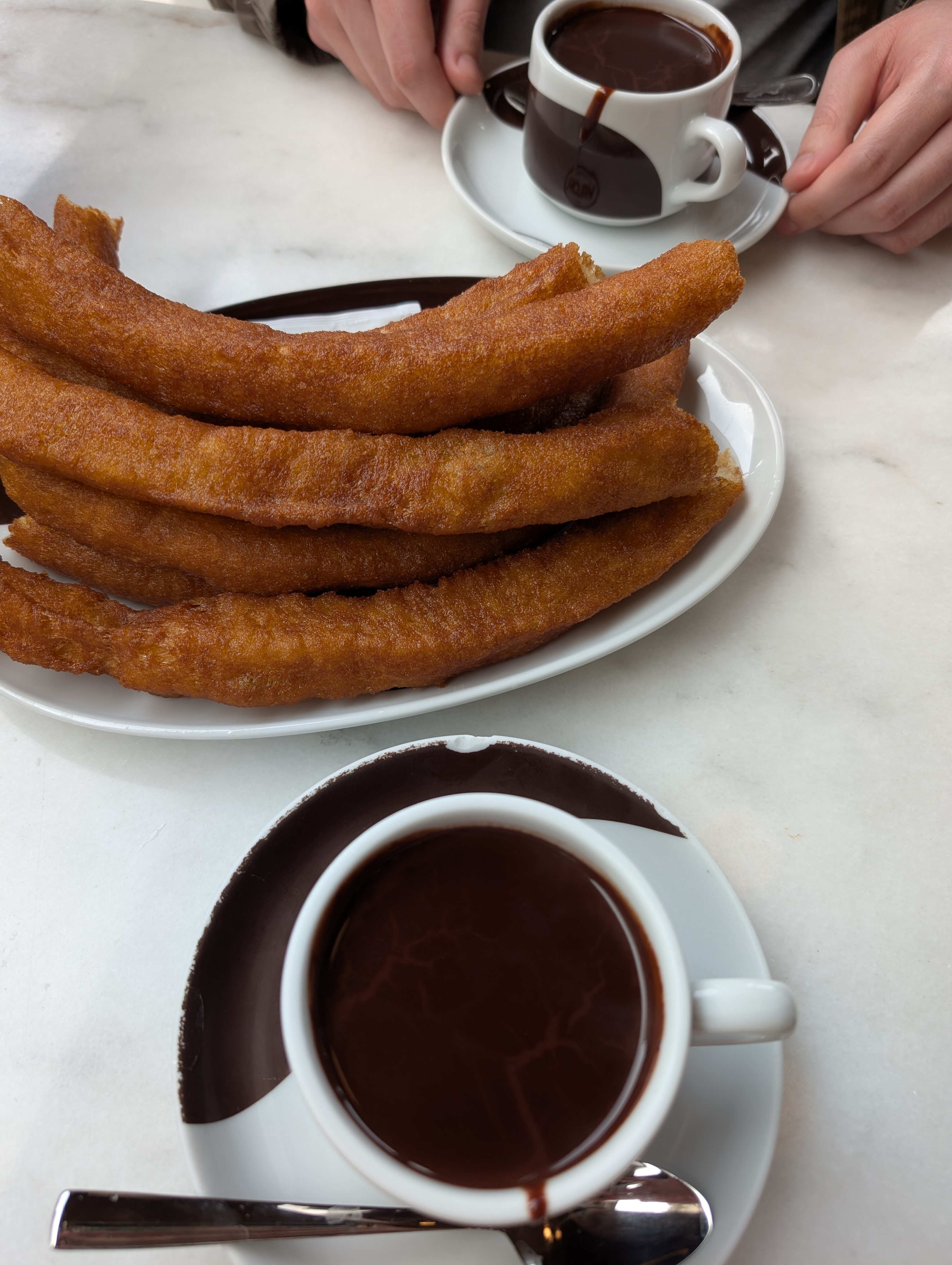
At some point during your time in Valencia, make sure you try one of Spain’s most iconic treats: churros con chocolate.
Our own churro adventure didn’t exactly go according to plan. We originally tried visiting one of Valencia’s traditional cafés, but after an experience that left us feeling uncomfortable, we decided to leave and find somewhere else.
Luckily, we ended up having a much nicer experience elsewhere and finally got our plate of freshly made churros con chocolate.
Crispy on the outside, soft on the inside and served with thick, rich hot chocolate for dipping – exactly what we’d been craving.
I wouldn’t build your whole itinerary around finding one specific churro café, but I definitely think trying them is a fun little part of experiencing Valencia.
La Lonja de la Seda – Optional
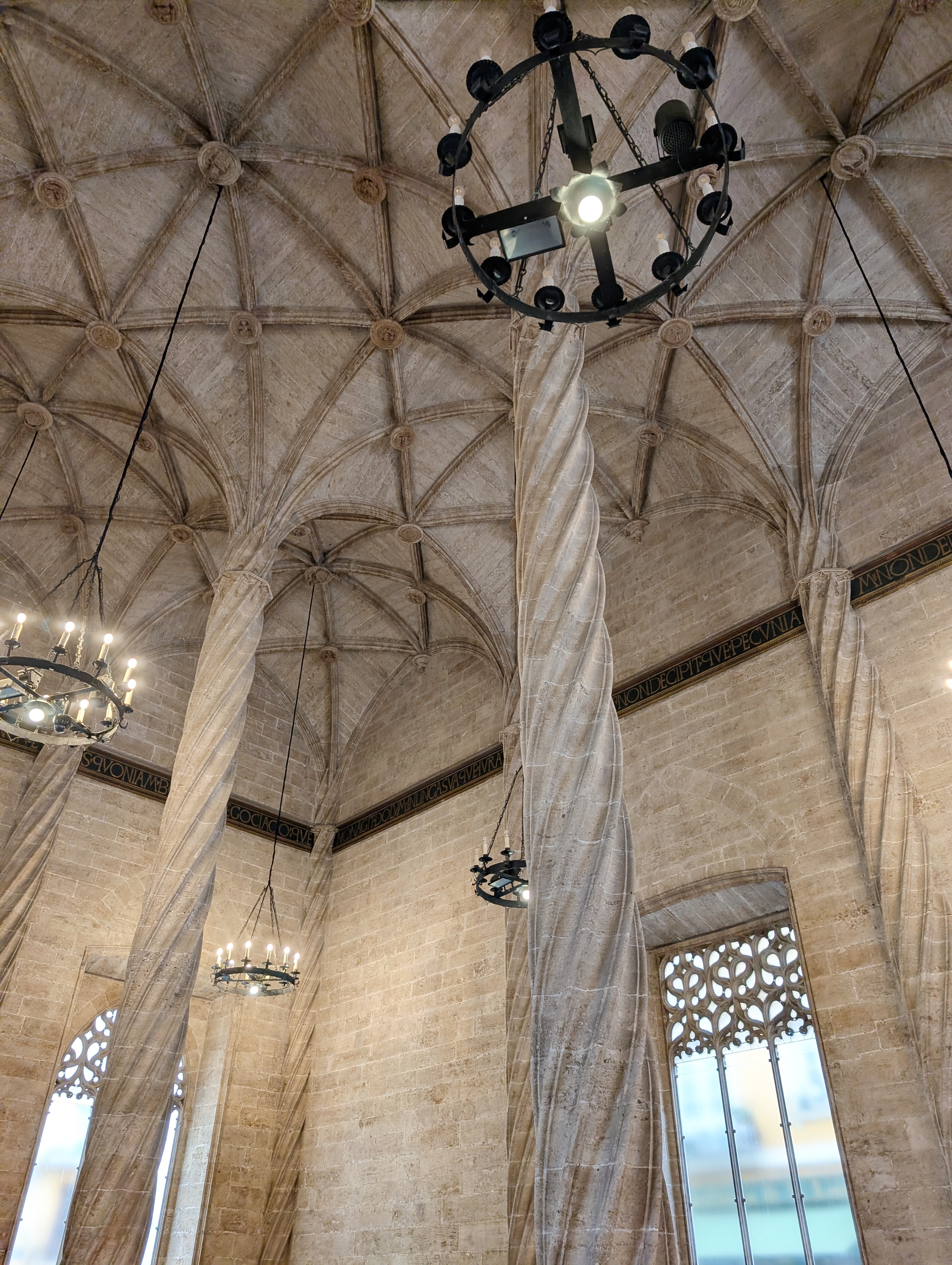
If you still have time, you can add La Lonja de la Seda, Valencia’s famous Silk Exchange and a UNESCO World Heritage Site.
The building itself is undeniably beautiful and historically significant, dating back to the 15th century when Valencia was one of Europe’s most important trading cities.
Admission was only €2 when we visited, so we figured, why not? But honestly, this was probably my least favourite attraction of the trip.
We found that there wasn’t actually that much to do once inside. There weren’t extensive museum exhibitions or detailed information panels explaining the building’s history, so after walking through the different rooms and admiring the architecture, we’d pretty much seen everything within ten minutes.
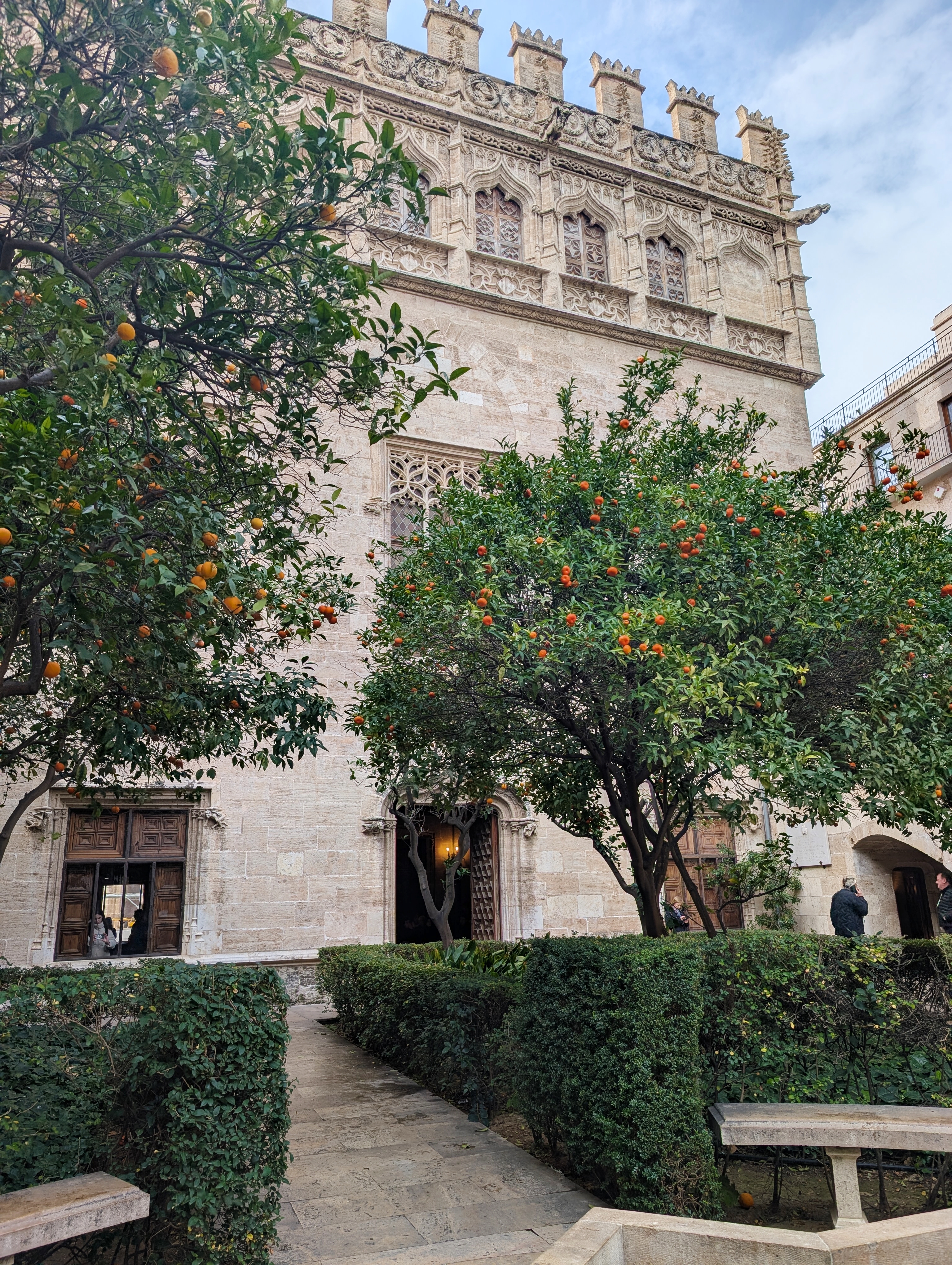

My pick: If you’re really interested in medieval architecture or UNESCO World Heritage Sites, it’s worth the small entrance fee. But if you’re short on time, I’d personally skip it and spend that time exploring somewhere else.
Staying Longer Than 3 Days?
If you have 4-5 days in Valencia, you have plenty of time to add a few more relaxed activities without having to rush through the main sights.
Malvarrosa Beach
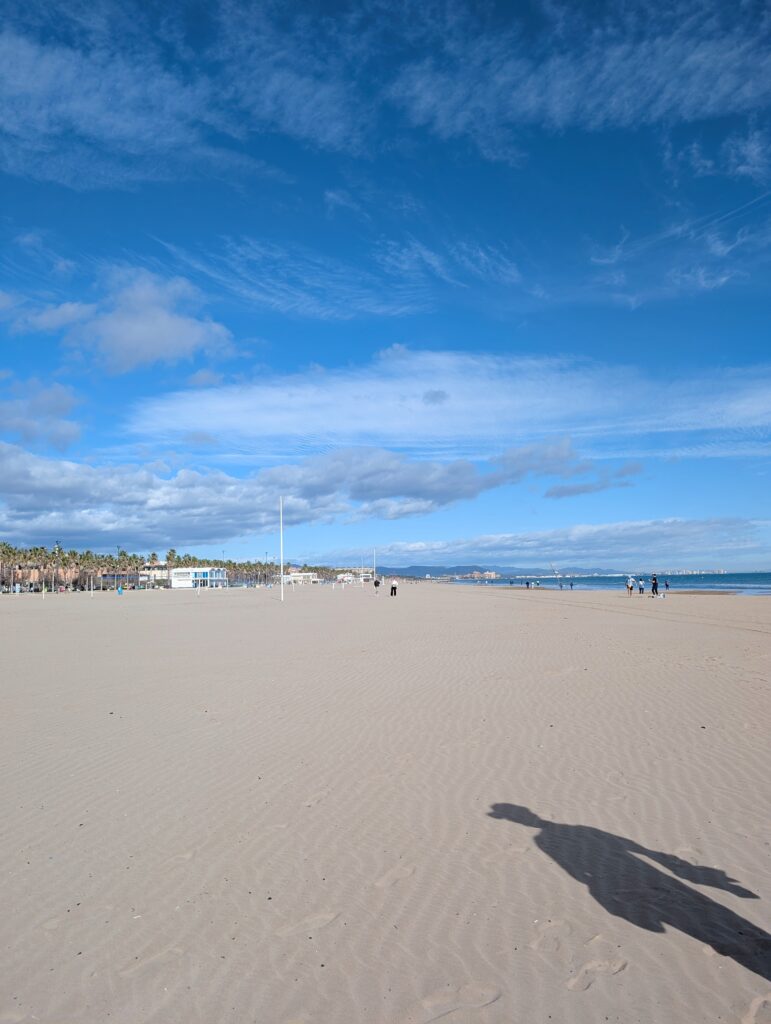
Malvarrosa Beach is Valencia’s famous urban beach and is easy to reach by public transport.
We visited in February, so swimming definitely wasn’t on the agenda, but it was still lovely to spend a few hours by the sea. The beach was surprisingly lively even in winter, with people walking along the promenade, sitting in the sunshine and enjoying the beachfront atmosphere.
If you’re visiting during warmer months, you’ll obviously have more opportunities to make a proper beach day out of it.
For a shorter city trip, though, I’d personally treat Malvarrosa as an optional addition rather than something you need to squeeze into your first three days.
Bioparc Valencia
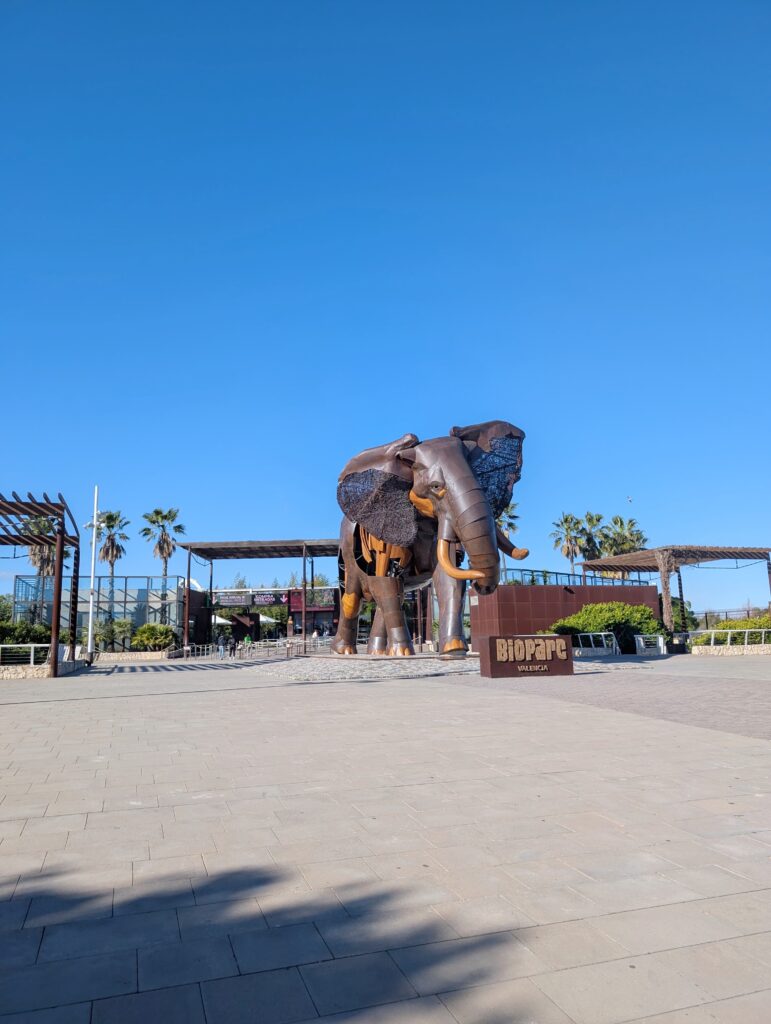
If you have some extra time, you can also visit Bioparc Valencia.
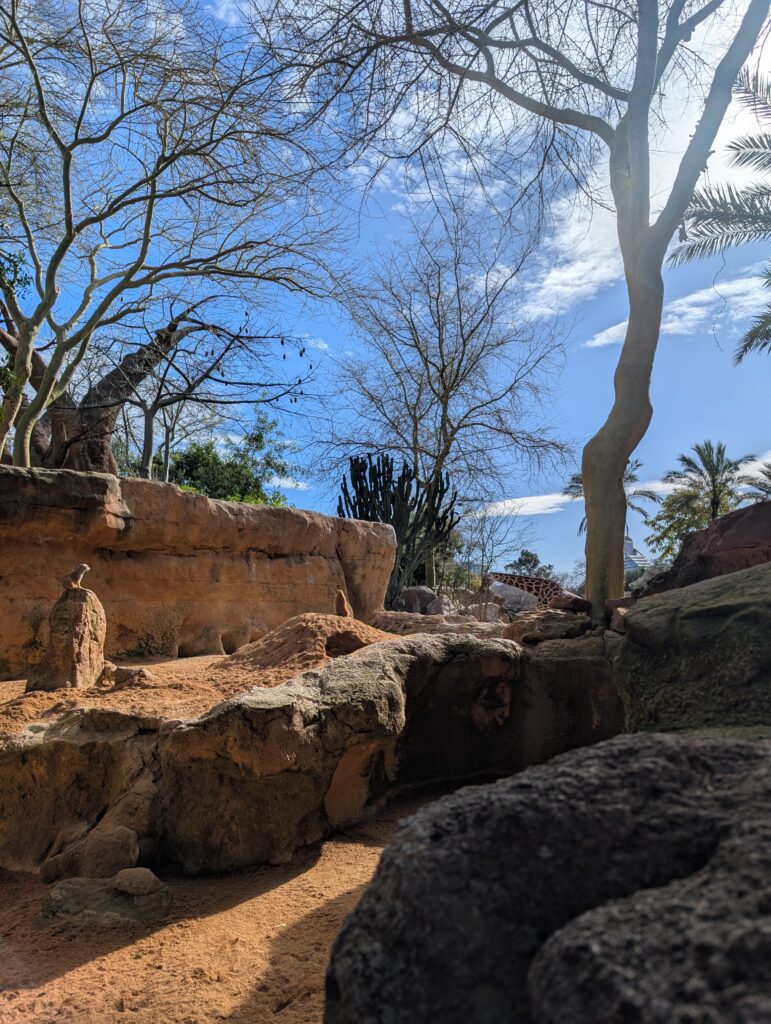
Bioparc is an immersive zoo designed around natural-looking habitats, with barriers cleverly hidden to make the animals’ environments feel less like traditional zoo enclosures.
I enjoyed my visit, although I’ll admit it was a little smaller than I expected. I made mt way around much quicker than anticipated, and because I visited during winter, some enclosures also appeared quieter or empty.
One of the highlights for me was the hippo feeding, which was happening during our visit. Seeing these enormous animals up close while learning more about them from the keepers was definitely the best part of our afternoon.
Overall, I think Bioparc is a nice activity, particularly if you’re travelling with children or you’re an animal lover. But personally, I wouldn’t rank it among Valencia’s absolute must-see attractions.
If you’re doing a short city trip and want to focus on the more unique sights, culture and history Valencia has to offer, I’d prioritise those before adding another zoo to your itinerary.
The nice thing about Bioparc is that you only need a few hours to see it, so it works well as an extra activity when you have more time.
Spend More Time Wandering
And honestly, my final recommendation for a longer stay is simply to leave some time unplanned.
One of the things I loved about Valencia was that I didn’t always feel like I had to be heading towards another major attraction. There are plenty of streets to wander, squares to discover and little corners of the city to stumble across.
After spending several days sightseeing, having a little extra time to simply explore at your own pace can be just as enjoyable as adding another attraction to your list.
After spending several days in Valencia, I came away feeling like the city deserves much more attention as a European city break destination.
What I loved most was the balance. You have the history and beautiful architecture you’d expect from a Spanish city, but you also have the futuristic City of Arts and Sciences, peaceful gardens, fascinating museums and a Mediterranean coastline.
And unlike some larger European cities, Valencia never felt overwhelmingly busy or like we had to spend the entire trip rushing between attractions.
If you only have three days, I’d focus on the historic centre, City of Arts and Sciences, Oceanogràfic, botanical gardens and Museu de Belles Arts. Then, if you have extra time, you can add the beach, Bioparc or simply give yourself another day to wander.
Would I return? Absolutely. There are still parts of the city I’d love to explore, and I’d also love to experience Valencia during a completely different season.
So, if you’re looking for a Spanish city break with plenty of culture, beautiful architecture, green spaces and sunshine, I genuinely think Valencia deserves a spot on your travel list.
Reminder: don’t forget your travel essentials when visiting Spain! If your phone plan doesn’t include reliable data in Spain, an eSIM can be really handy for navigating Valencia, checking public transport, looking up opening times and booking things while you’re out exploring. I personally use Holafly when I travel and you can get 5% off with my code BUGGIRLADVENTURES. Get your Holafly eSIM for Spain here.
Xo Bug Girl
Instagram: @thebuggirladventures
Other Posts to Help You Plan Your Trip to Valencia
My 5-Day Valencia Travel Diary: Food, Sightseeing & Hidden Gems – Bug Girl Adventures
Leave a Reply