
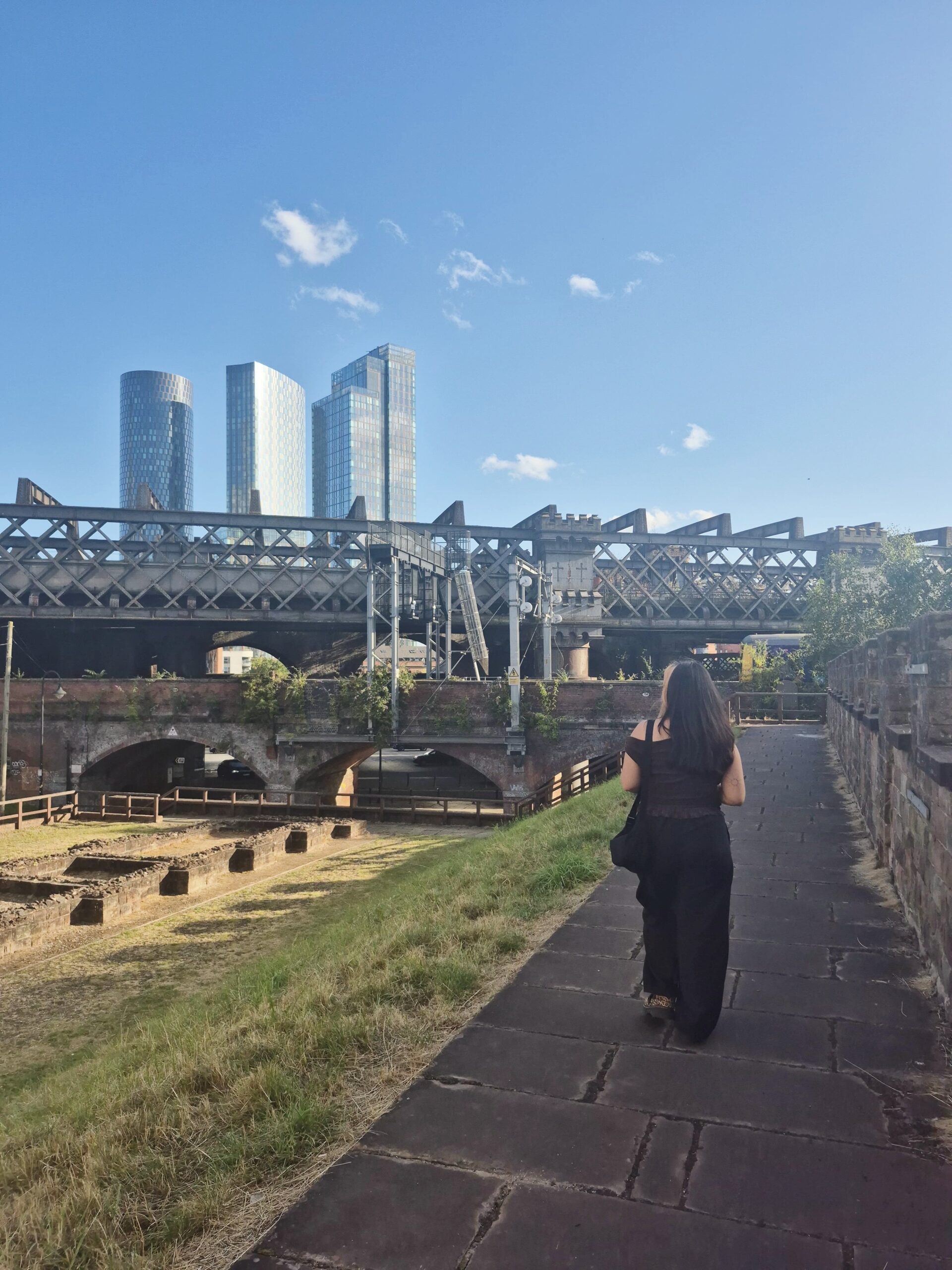
Manchester is a city with a lot to see, from its industrial history and impressive architecture to its museums, independent shops and colourful neighbourhoods. This four-day Manchester itinerary is designed to make exploring the city easy, with each day focused on a different area so you can see plenty without constantly travelling back and forth.
Over four days, you’ll explore Castlefield and Manchester’s industrial past, some of the city’s best museums and historic buildings, Chinatown and the Gay Village, plus the Northern Quarter and Afflecks. I’ve also included a few of my favourite independent shops and some markets to look out for if your dates happen to line up.
So, if you’re planning a trip to Manchester and want to see a good mix of history, culture, architecture, shopping and neighbourhoods, here’s my ultimate four-day Manchester itinerary.
Still looking for somewhere to stay in Manchester? Check out the latest hotel offers here.
Day 1: Castlefield, Industrial Manchester & Campfield Market
I’d start your Manchester trip in Castlefield, because understanding the city’s industrial history makes so much of the rest of Manchester make sense.
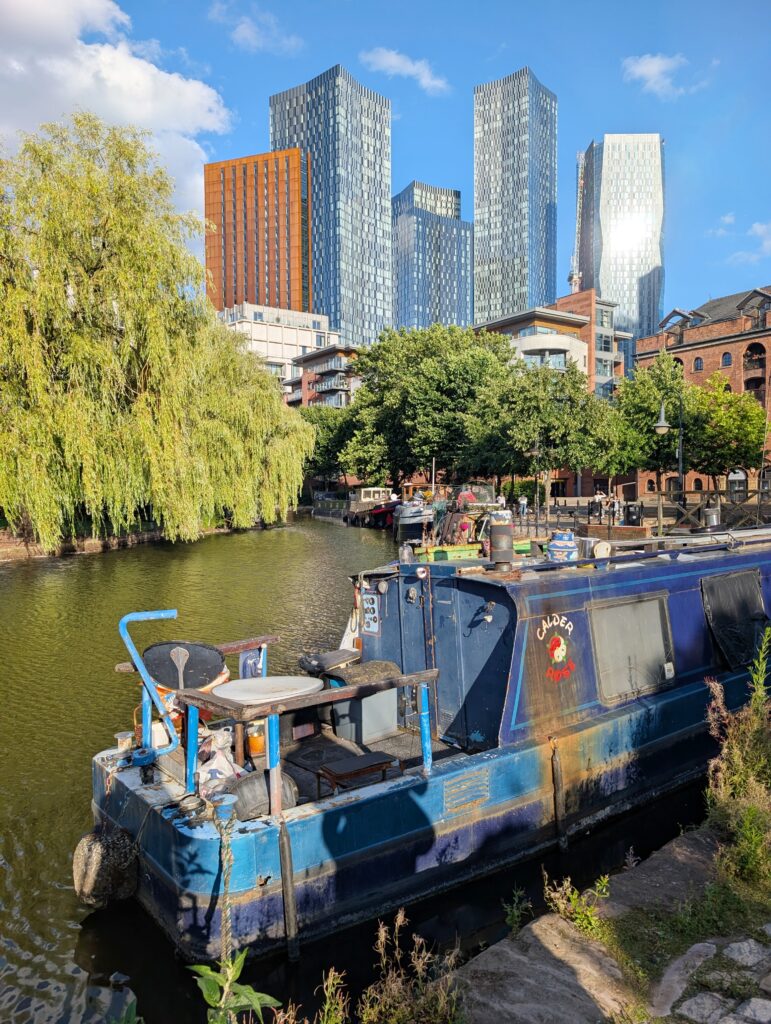
Castlefield Basin
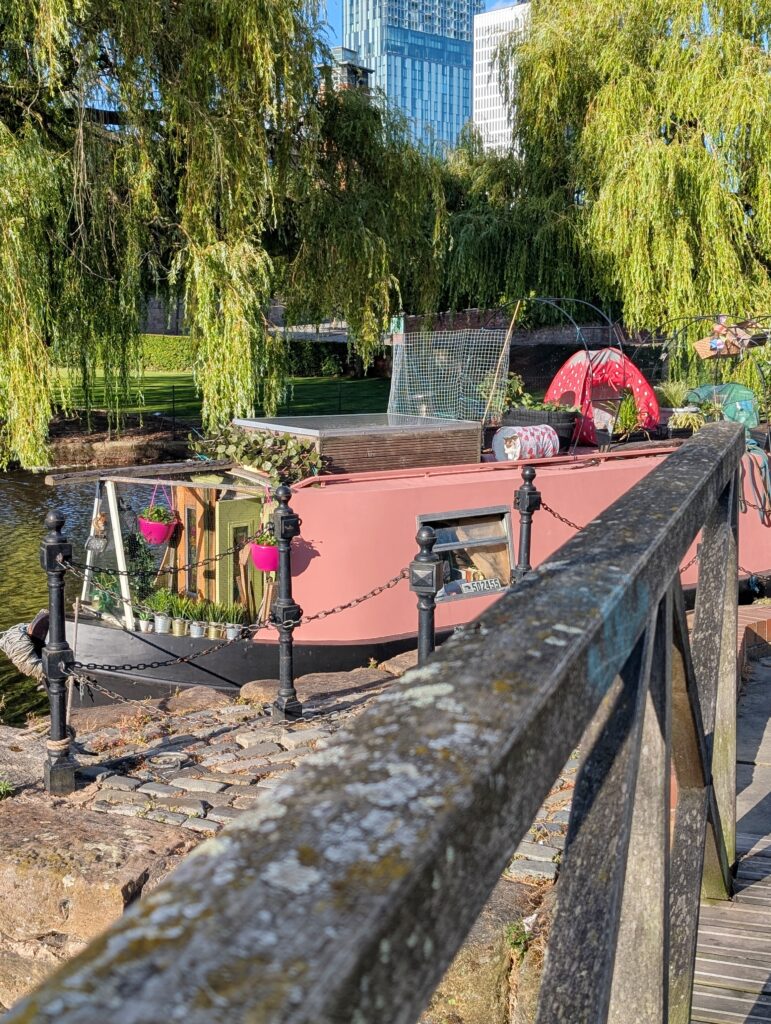
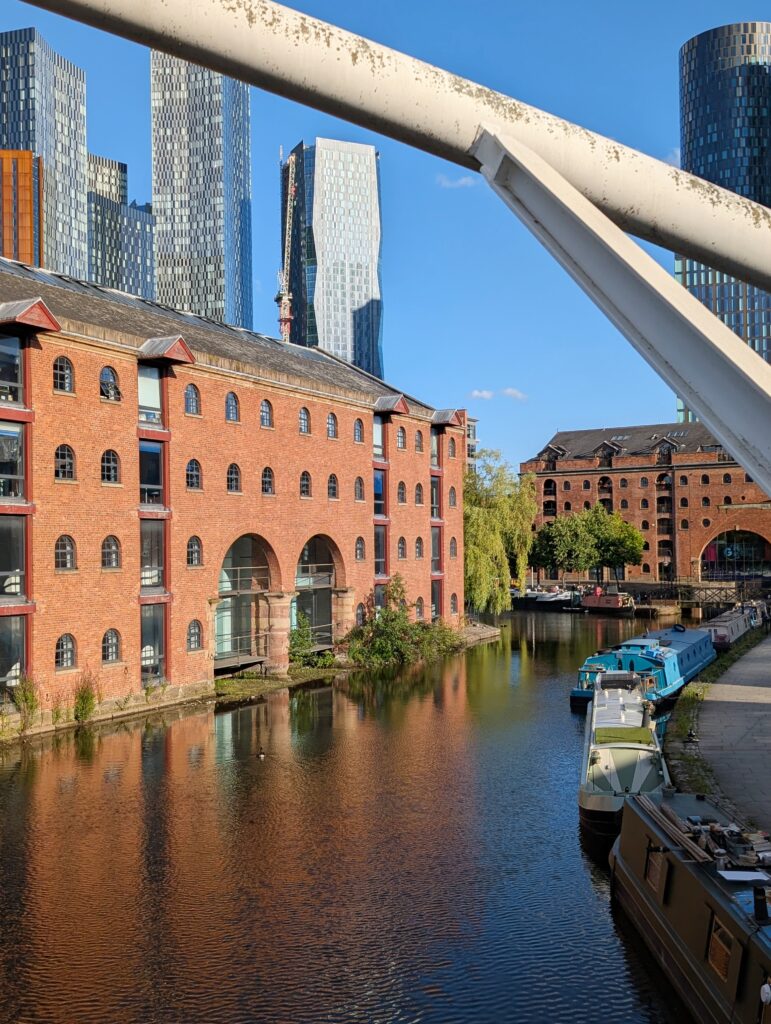
Castlefield is one of my favourite areas to simply wander around in Manchester. This historic neighbourhood sits where several canals meet and is filled with old warehouses, railway structures, bridges and cobbled streets. It’s a really good introduction to Manchester because you can literally see traces of the city’s industrial past as you’re walking around.
The canals are particularly lovely for a slower wander, with plenty of places to stop and take photos. And if you’re interested in Manchester’s history, I’d definitely spend some time exploring the area rather than rushing straight to the next attraction.
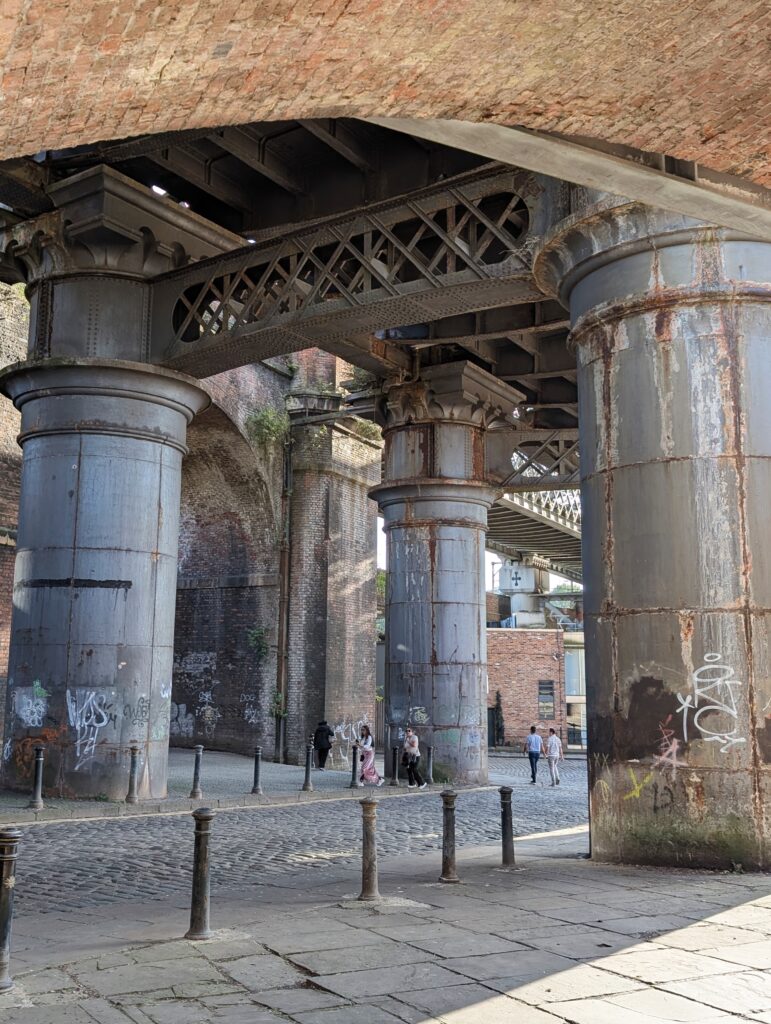
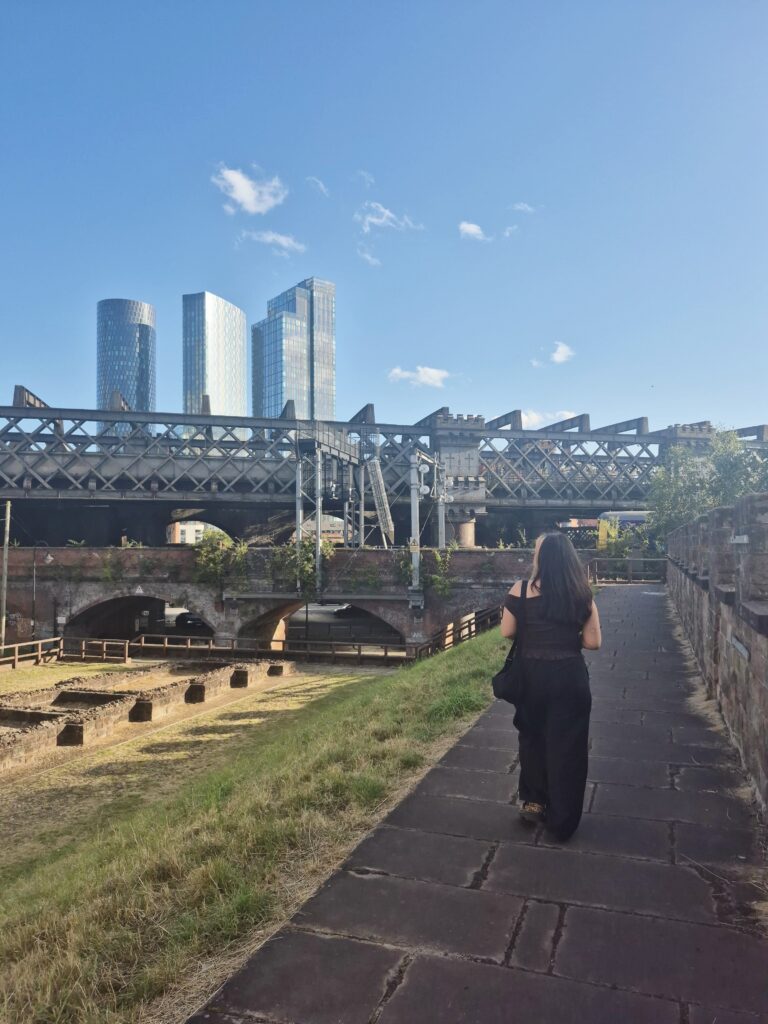
Extra Tip: Castlefield Viaduct
If you’re in Castlefield, keep an eye out for Castlefield Viaduct.
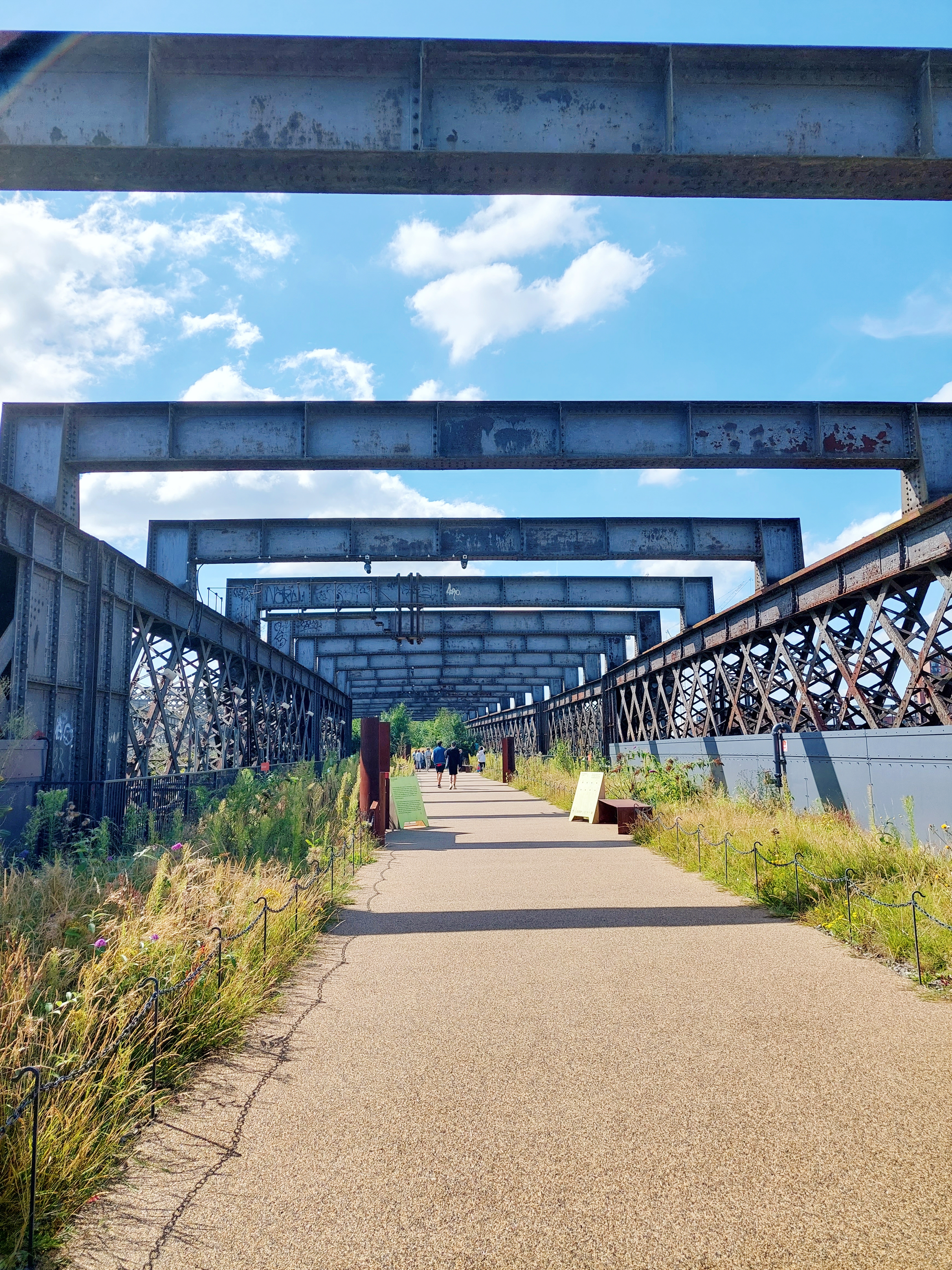
The former railway viaduct has been transformed into a green public space and walkway, although it is currently undergoing construction and redevelopment. Since I visited it before the current works, I don’t want to tell you exactly what to expect from the finished version – it may look quite different in the future.
So, if you’re visiting after the works are finished, definitely check the latest information before you go.
Science and Industry Museum
From Castlefield, head to the Science and Industry Museum, which is one of the places I’d genuinely recommend making time for.
Manchester is famous for its industrial history, and this museum is a really fun way to understand how the city became the industrial powerhouse it is today.
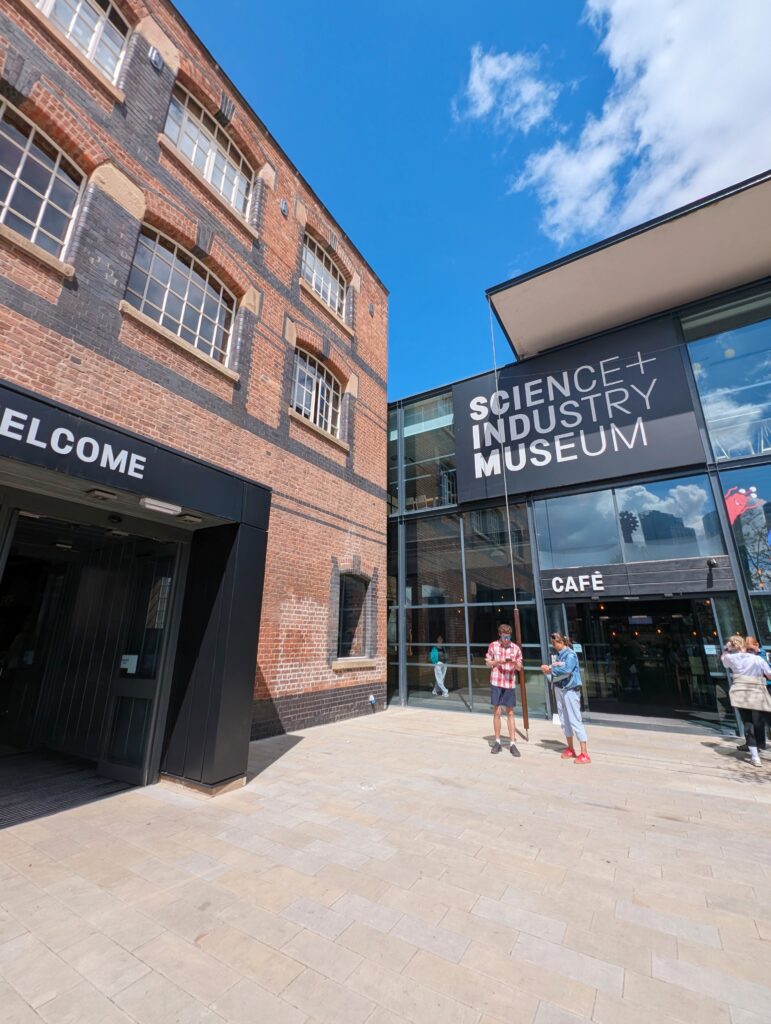
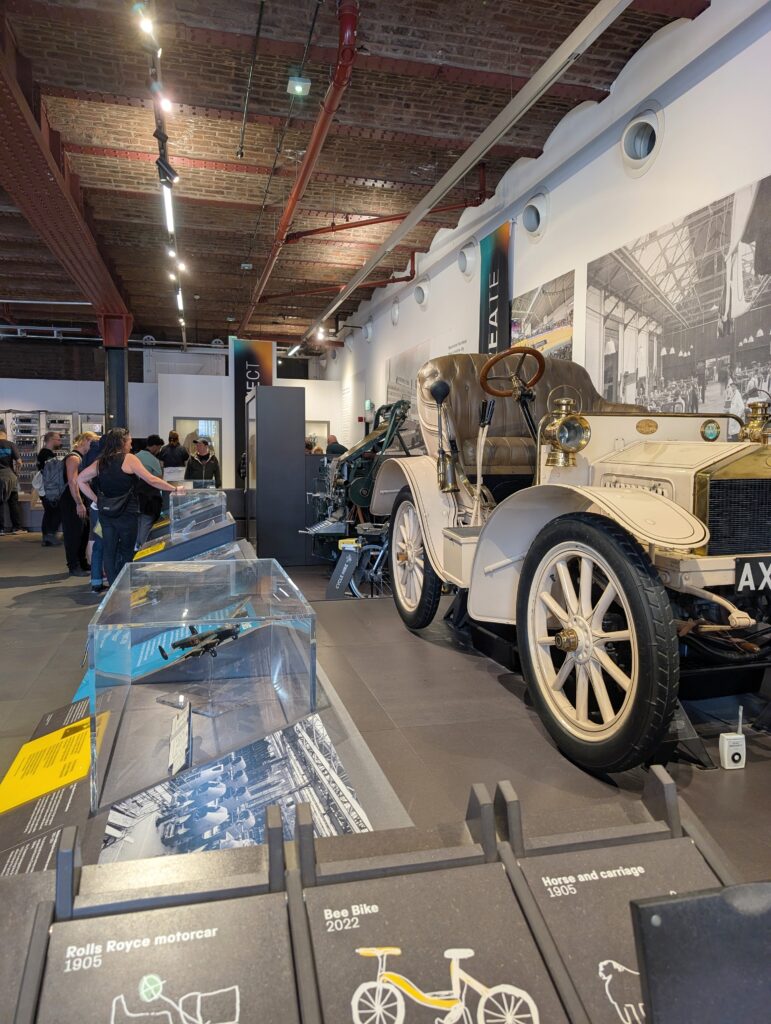
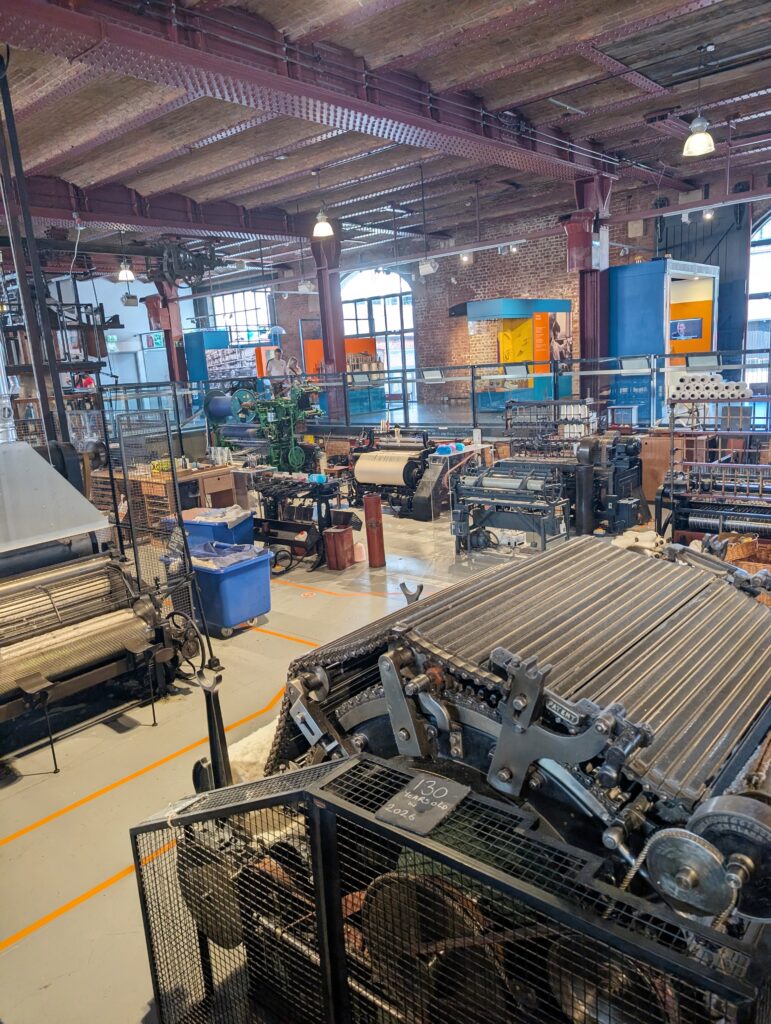
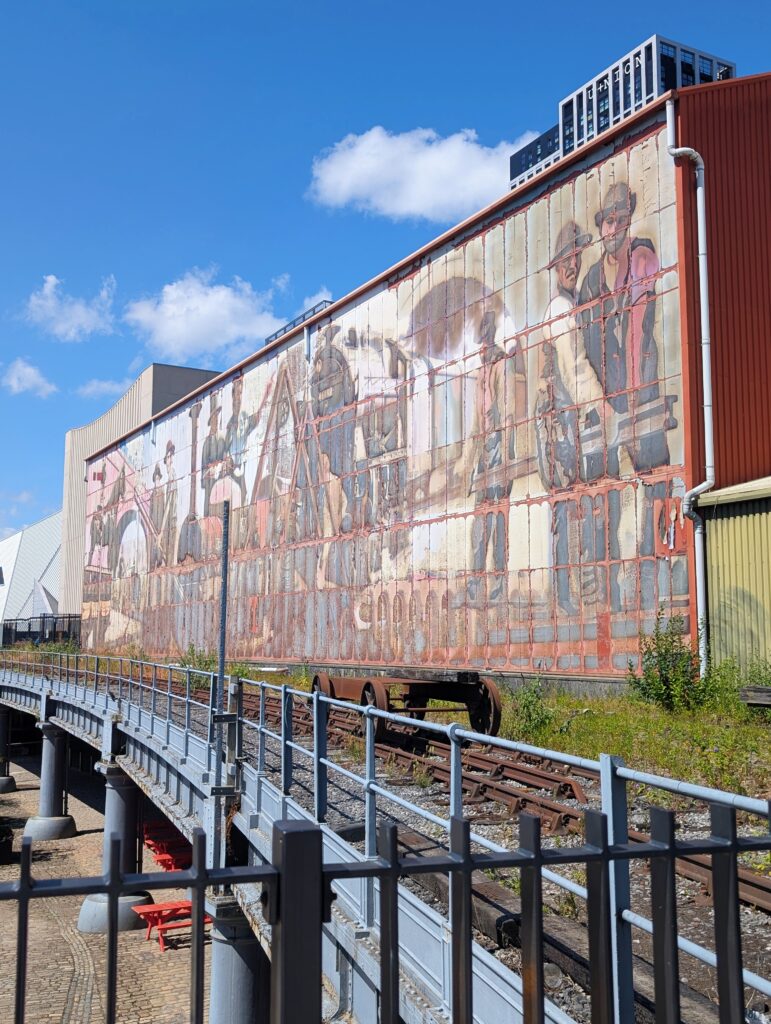
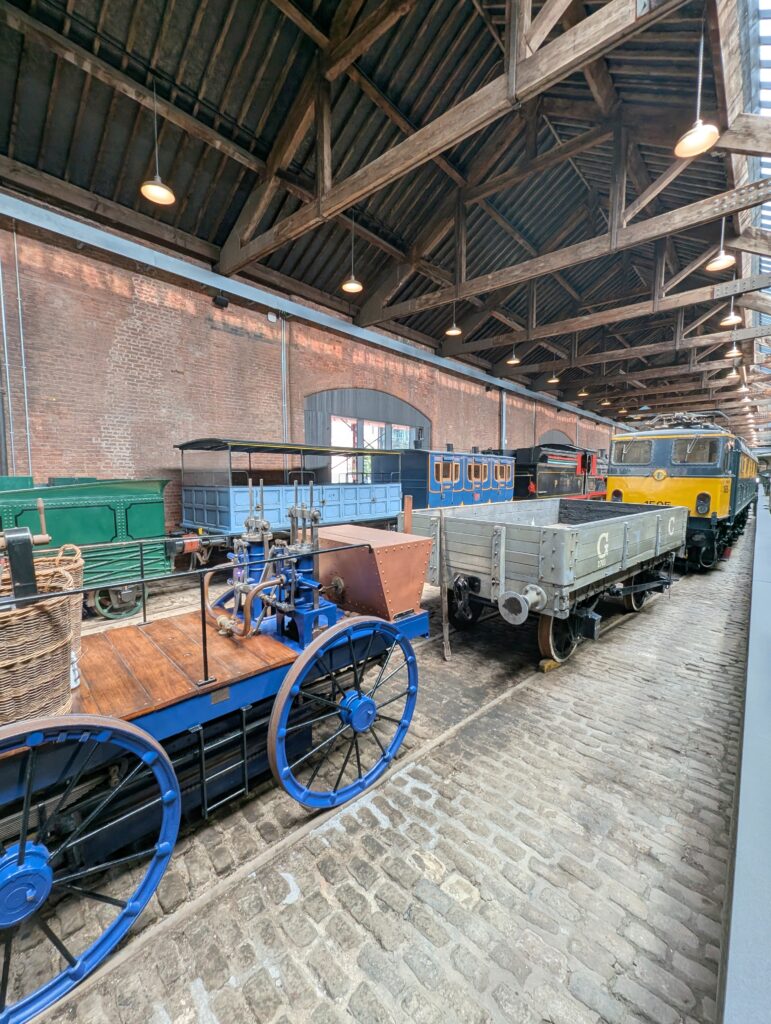
You’ll learn about Manchester’s role in the Industrial Revolution, science, technology, transport and the development of the city. And I actually think that context makes exploring Manchester afterwards much more interesting.
Suddenly, those canals, old warehouses, railway structures and industrial-looking parts of the city aren’t just pretty architecture – you understand why they’re there.
The museum is free to enter, although donations are appreciated
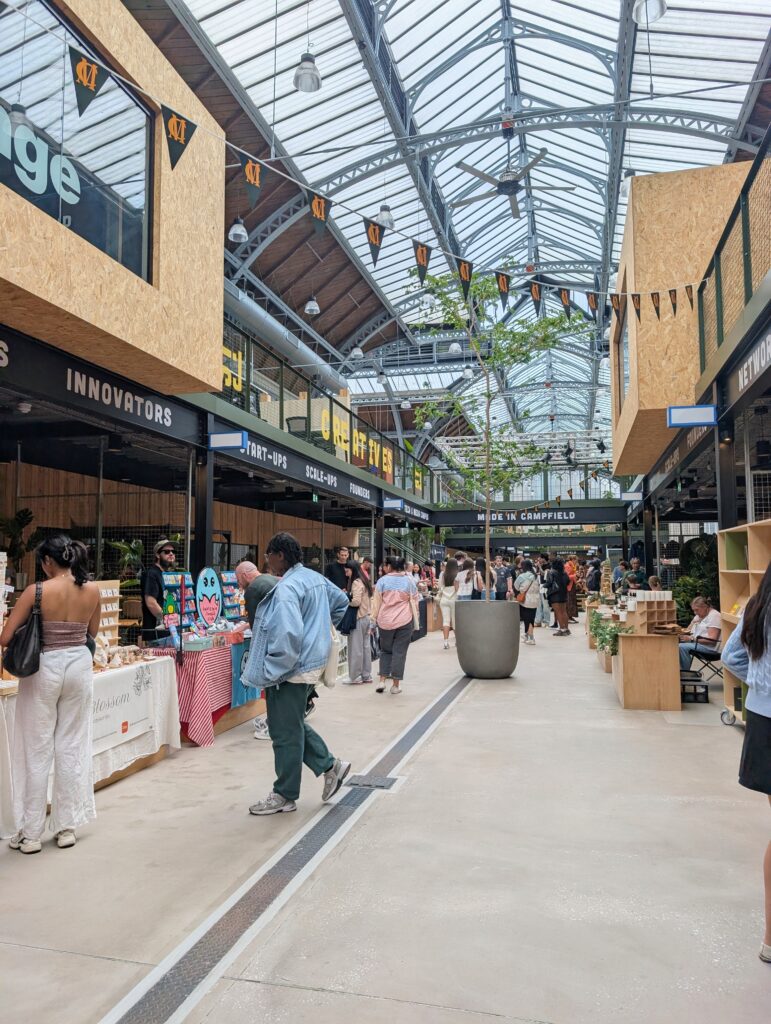
Campfield Market – Saturday Only
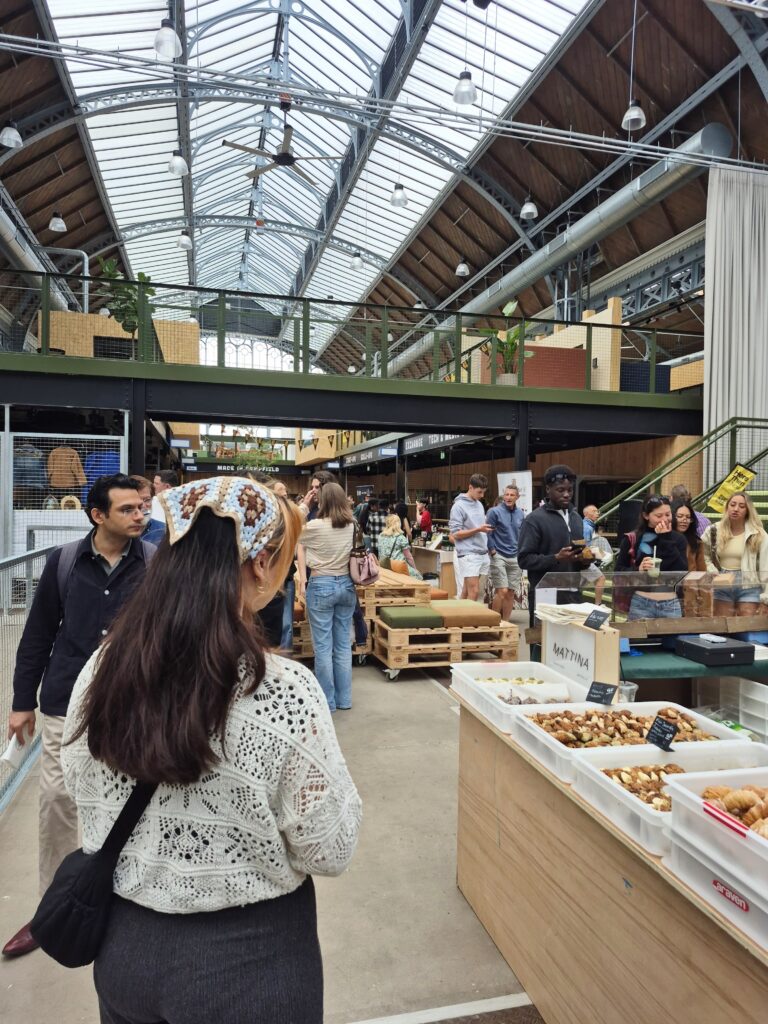
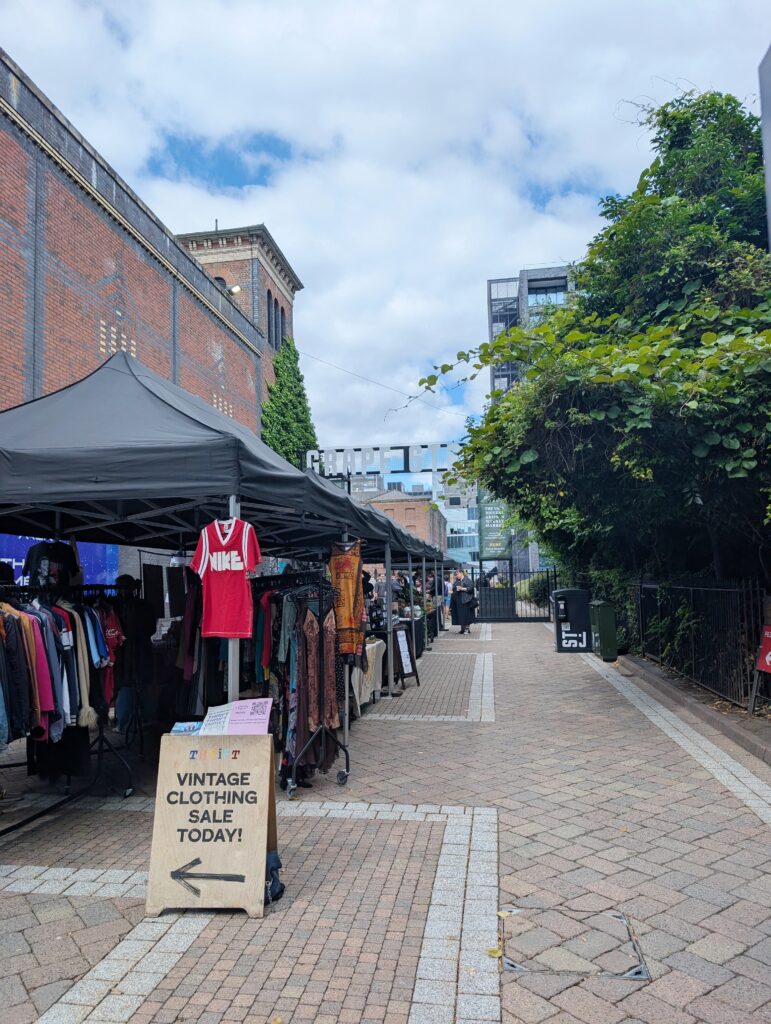
If you’re visiting Manchester on a Saturday, there’s another reason to add this area to your itinerary: Campfield Market.
The market takes place every Saturday from 10am-4pm, with independent traders taking over Campfield, St John’s and Grape Street.
You’ll find street food, bakes, drinks, handmade products and plenty of independent businesses selling all sorts of things.
It’s directly opposite the Science and Industry Museum, so it’s an incredibly easy addition to your day.
Important: Campfield Market currently runs on Saturdays only, so don’t plan your itinerary around it unless your visit lines up with the market.

Day 2: Manchester’s History & Beautiful Architecture
For your second day, I’d move towards central Manchester and explore some of the city’s cultural and historic highlights.
John Rylands Library
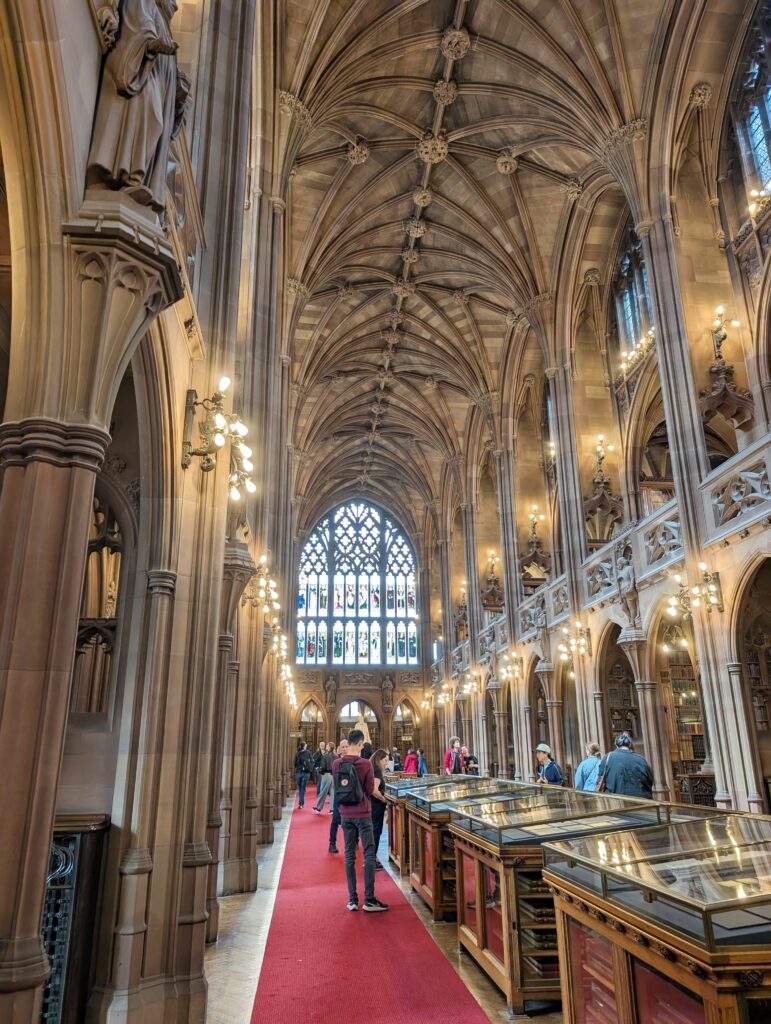
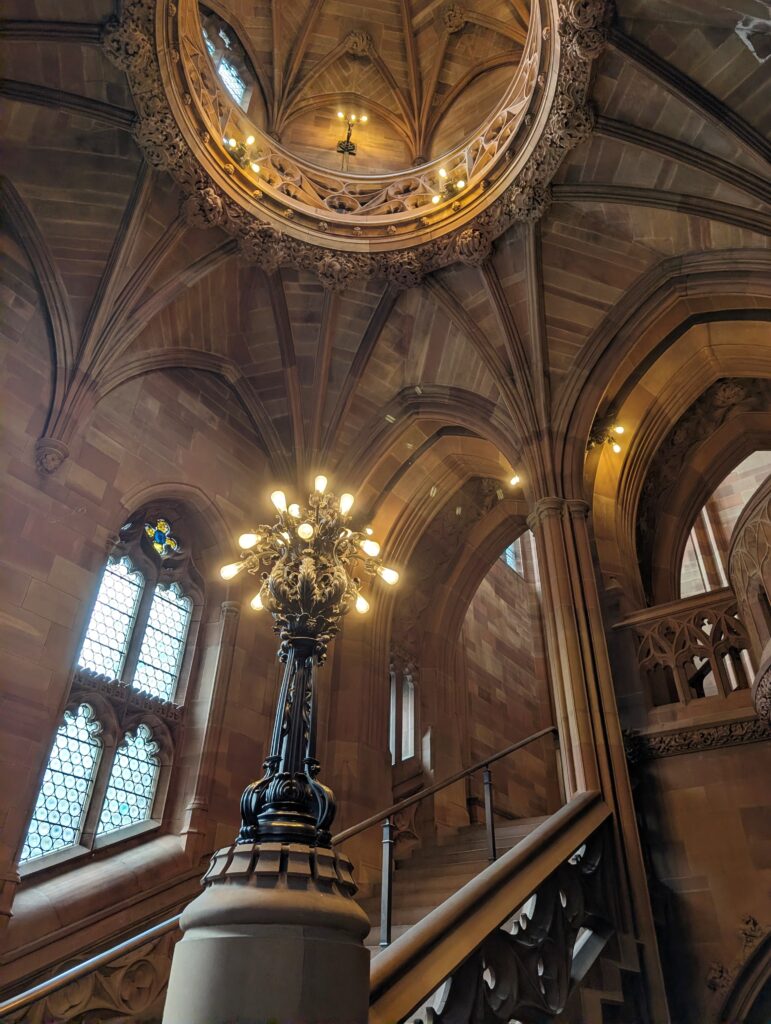
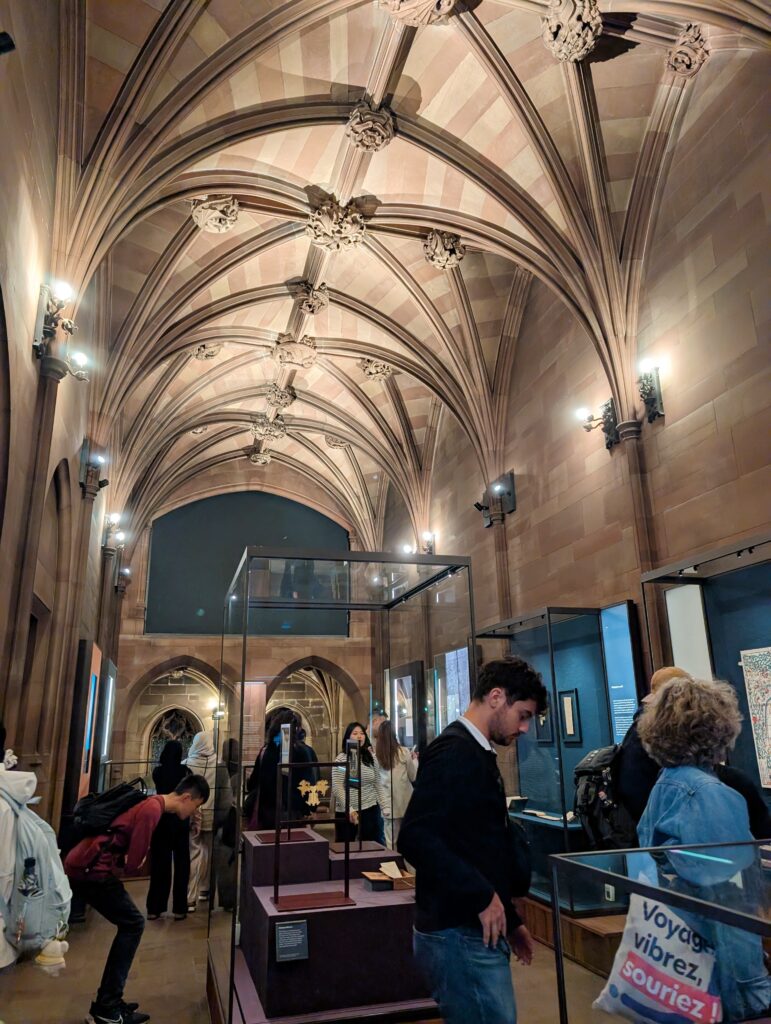
Start at the John Rylands Library, and prepare to feel like you’ve accidentally walked into a Harry Potter film. Okay, maybe that’s slightly dramatic, but the building is gorgeous!
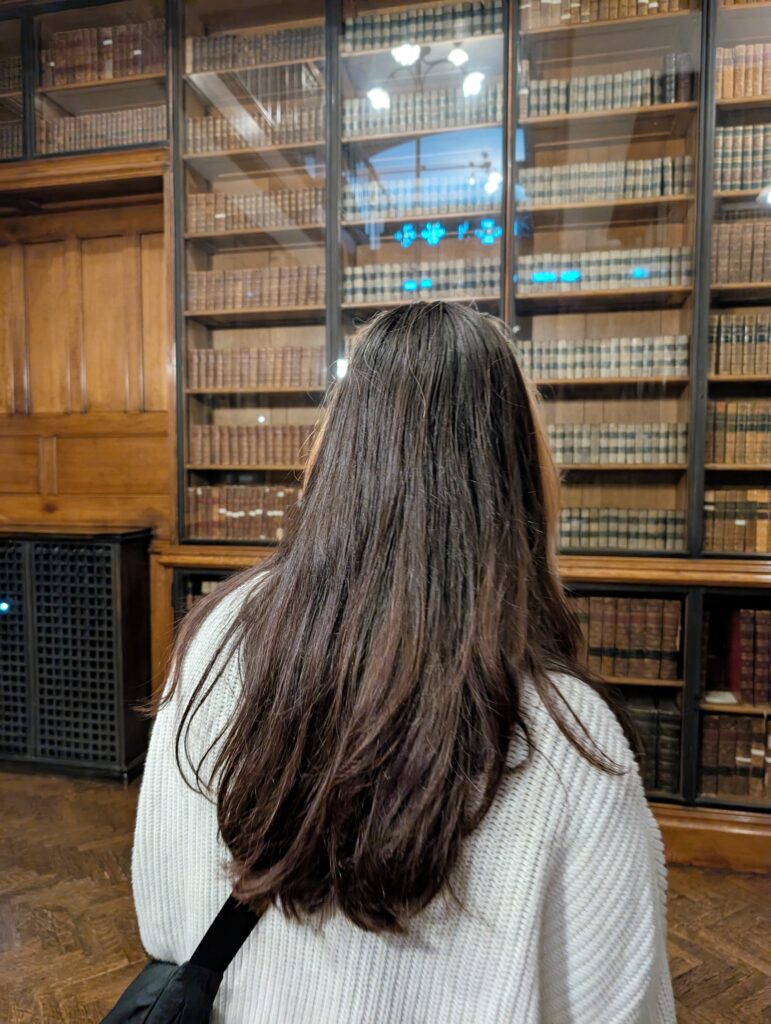
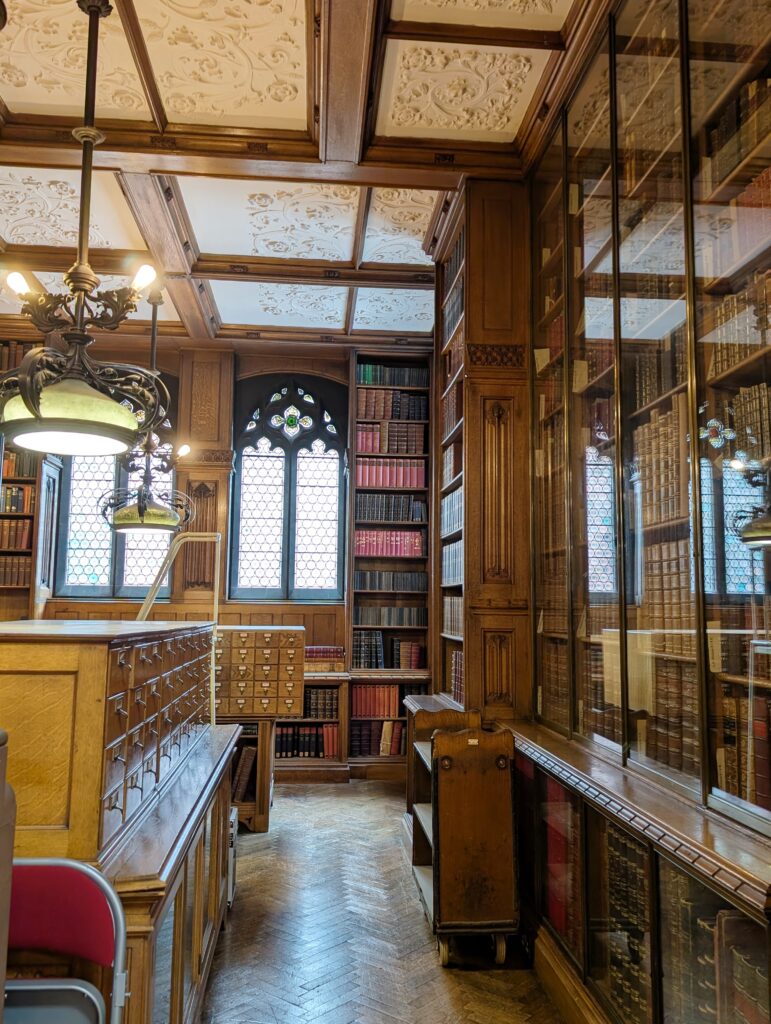
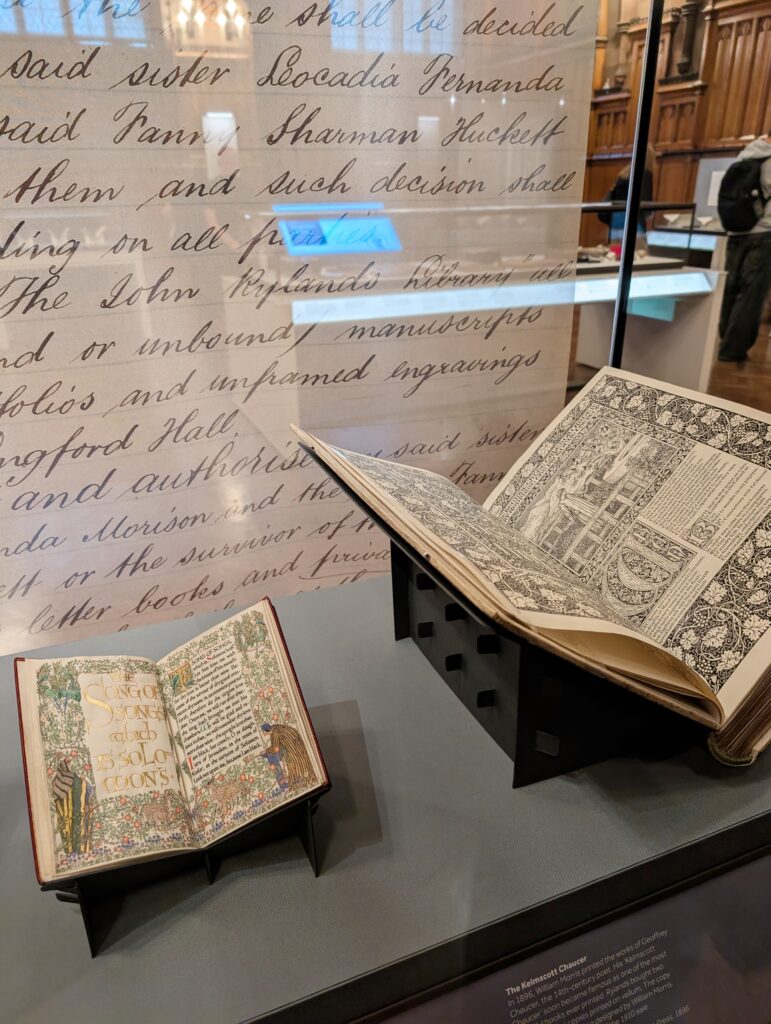
The library opened in 1900 and is one of the finest examples of neo-Gothic architecture in Europe. Inside, you’ll find an impressive historic reading room, exhibitions, rare books, manuscripts and archives.
When I visited in summer, there were also free talks about the library and its history taking place roughly every half hour, which was a really nice way to learn more about the building while exploring. The schedule may vary, though, so I’d check what’s available during your visit.
And the best part? It’s free to visit. Even if you’re not particularly interested in libraries or old books, I’d still recommend popping inside simply to admire the architecture.
People’s History Museum
Next, head towards the People’s History Museum, which explores Britain’s history through the experiences of ordinary people, workers and political movements.
You’ll learn about democracy, workers’ rights, protest movements and important events in Manchester and wider British history.
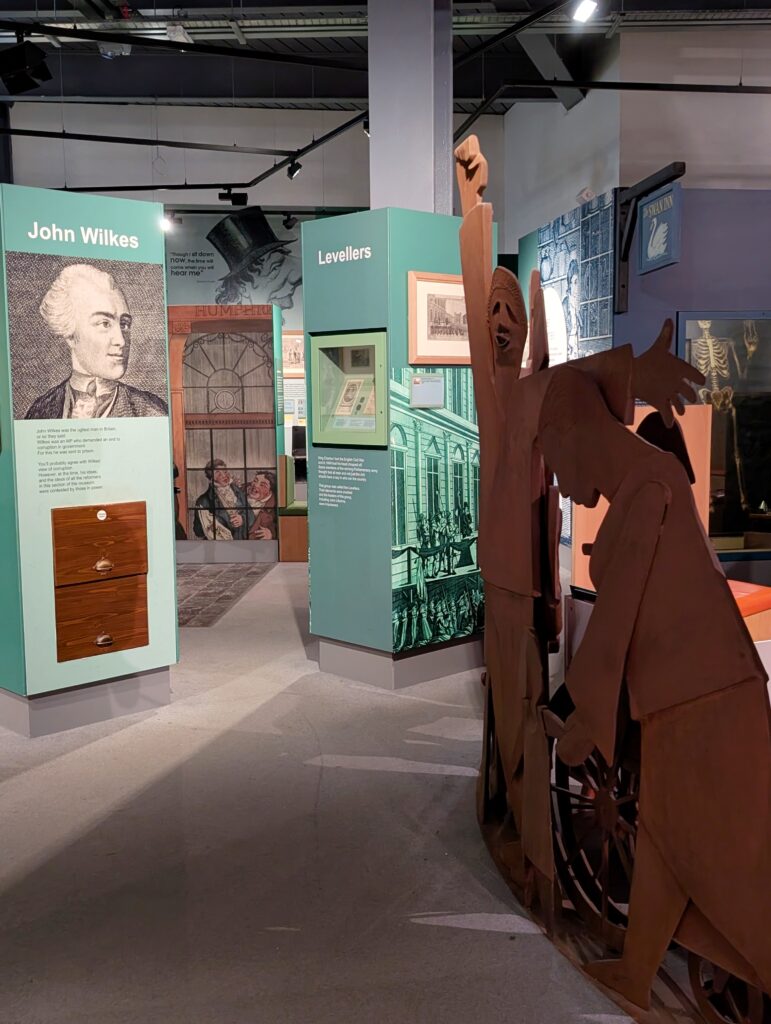
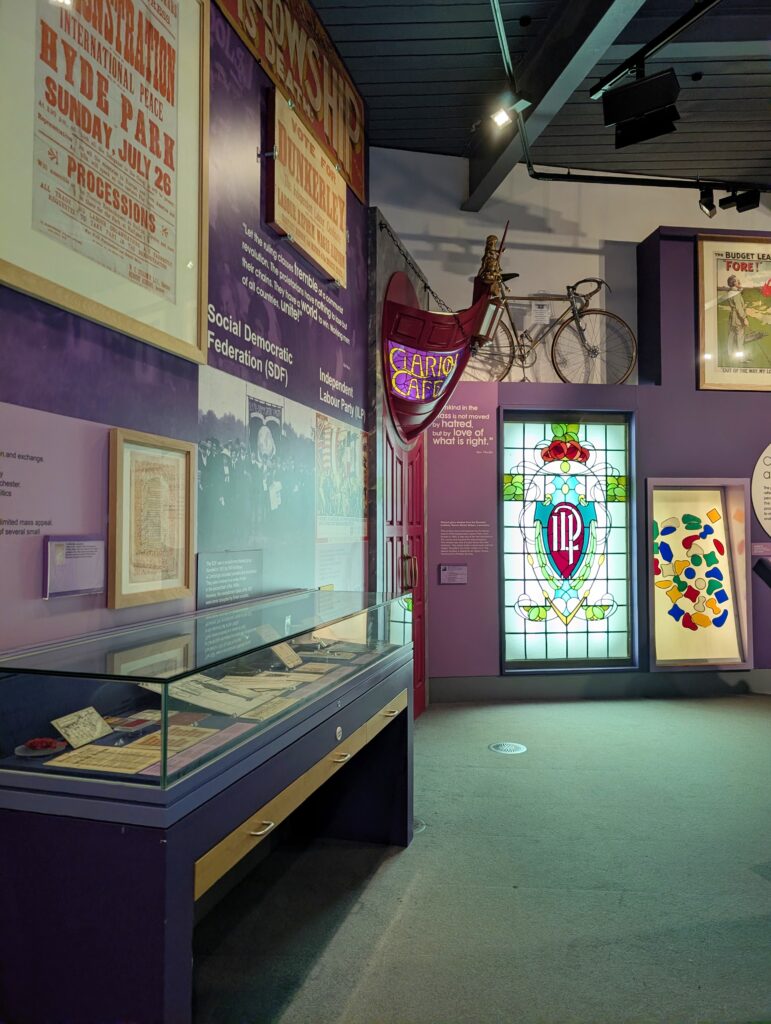
I’ll be honest: the museum is looking a little tired in places and could definitely use some renovation. But if you’re a tourist who doesn’t know much about Manchester’s history, I actually found it really interesting and informative. And because it’s free, I didn’t mind spending some time here at all.
If you’re interested in understanding Manchester beyond its shops and restaurants, I’d definitely consider adding it to your itinerary.
Manchester Cathedral
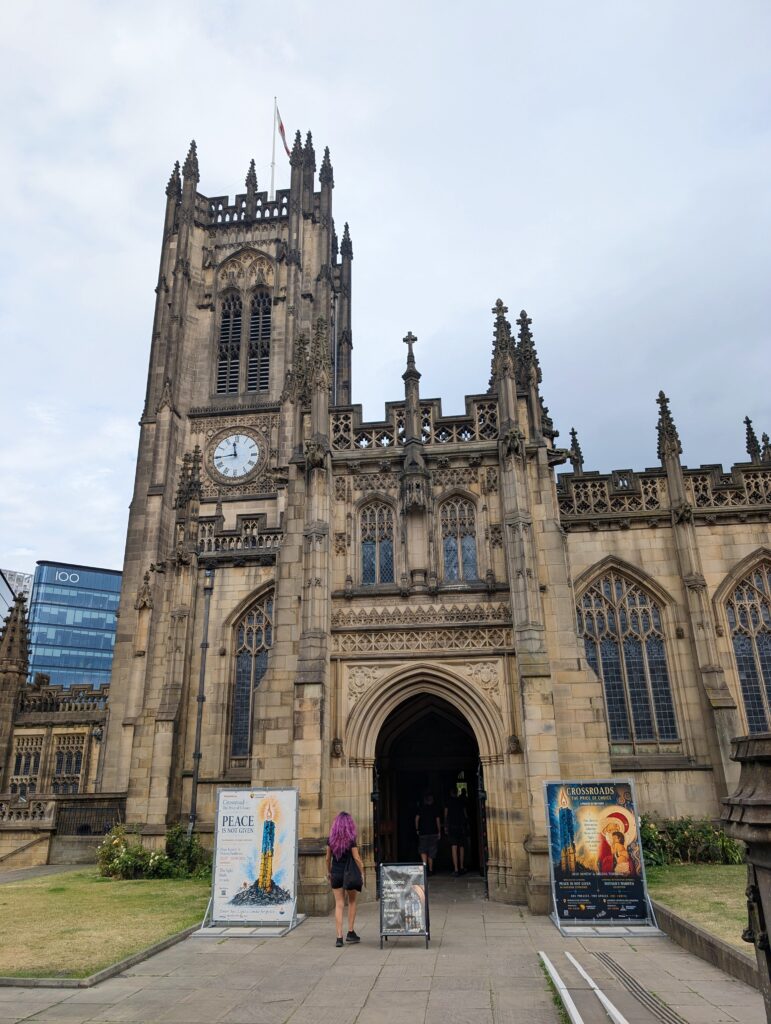
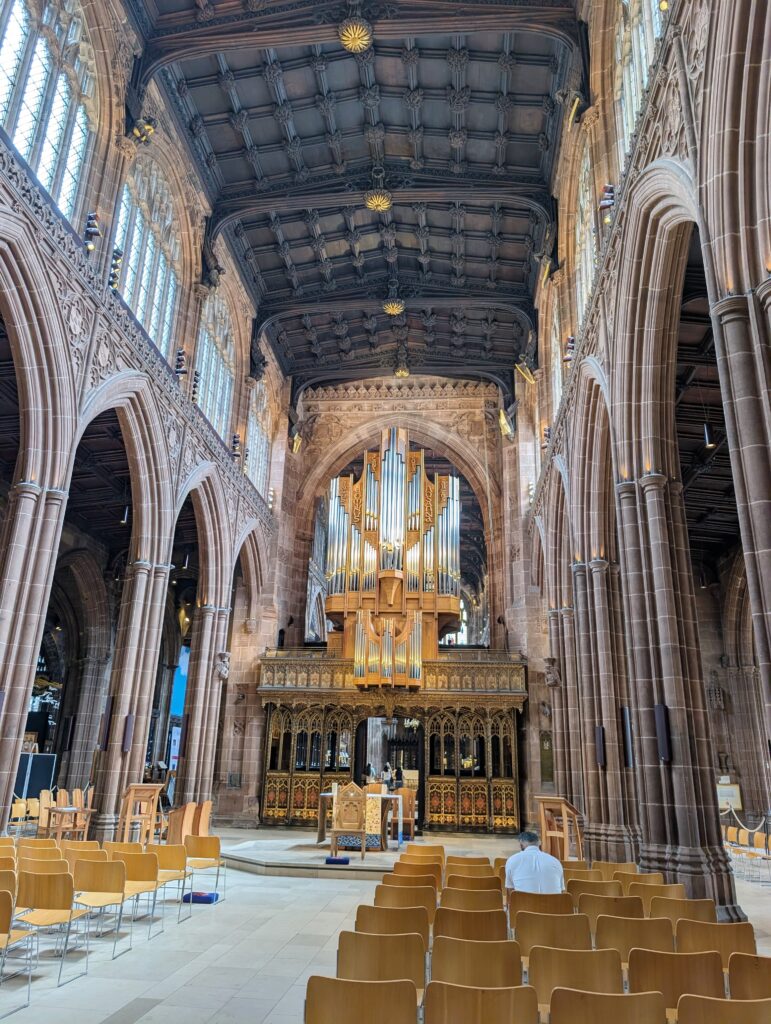
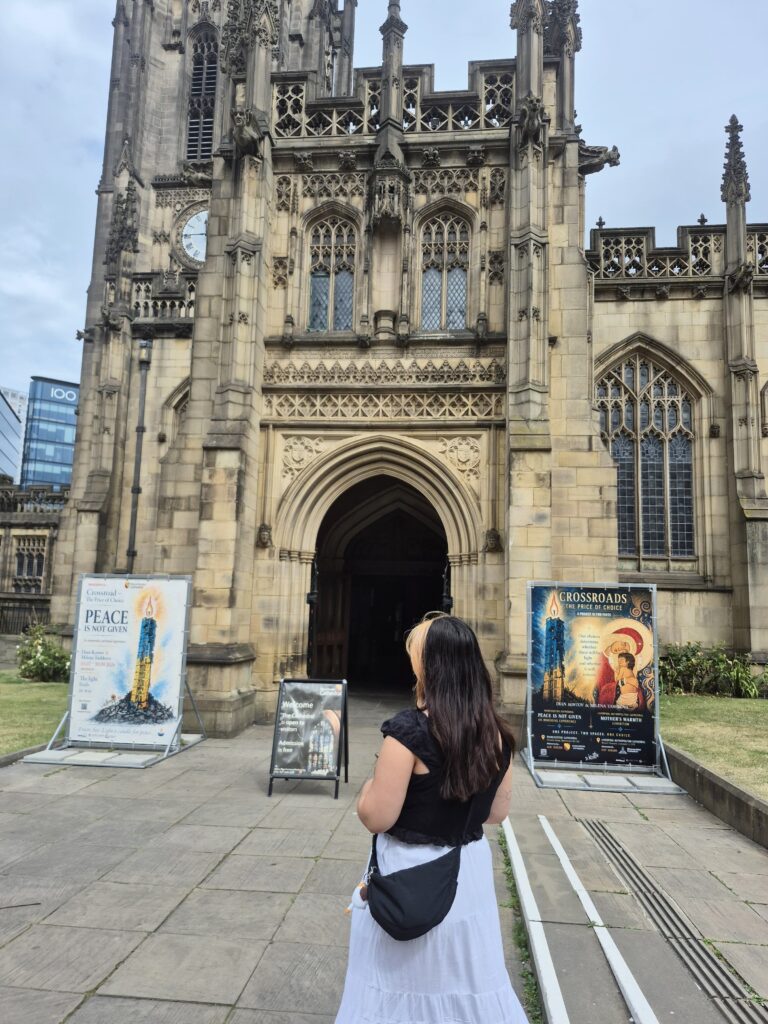
Continue towards Manchester Cathedral, right in the heart of the city centre.
The cathedral has medieval origins and is one of Manchester’s most historic buildings. The architecture is beautiful, so even if you’re not someone who normally visits churches while travelling, I’d recommend stepping inside.
Admission is free, although donations are encouraged.
You don’t need hours here, it’s an easy stop to combine with the other attractions around the city centre.
Day 3: Art, Chinatown & The Gay Village
Your third day is all about Manchester’s art, culture and some of the city’s most recognisable neighbourhoods.
Manchester Art Gallery
Start your day at Manchester Art Gallery, right in the heart of the city centre.
The gallery has an impressive collection of more than 14,000 works of fine art, including paintings, sculptures, drawings, watercolours, prints and photographs. It’s particularly well known for its 19th-century British art and Pre-Raphaelite collection, but you’ll also find European Old Masters and more modern and contemporary works from around the world.
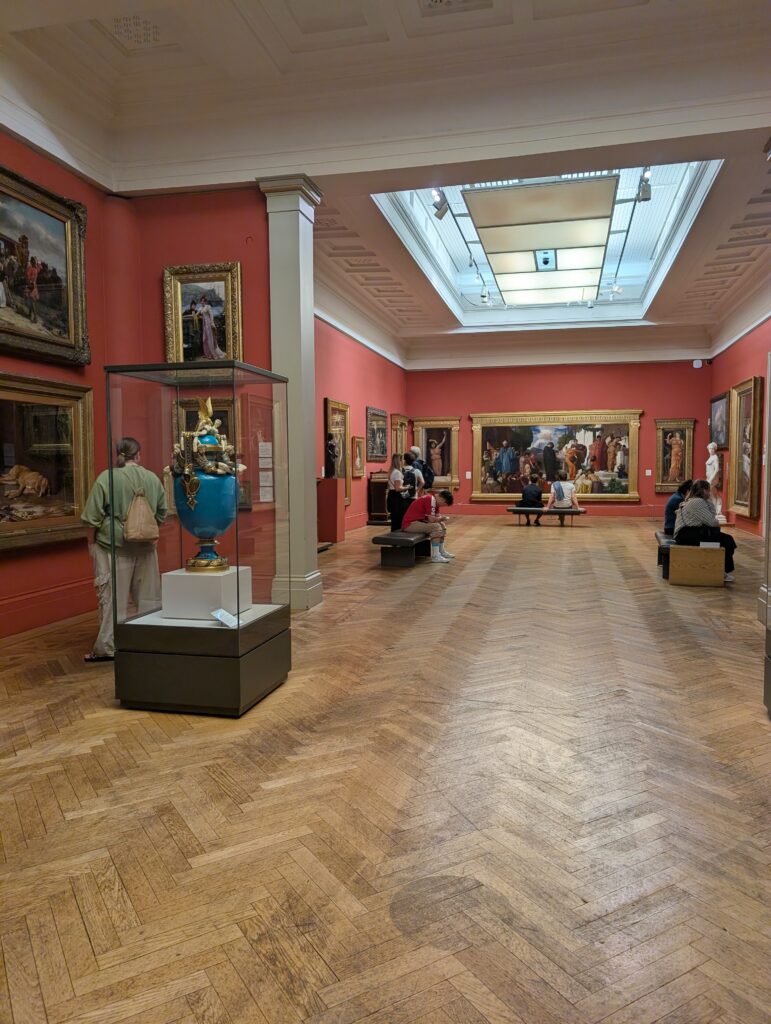
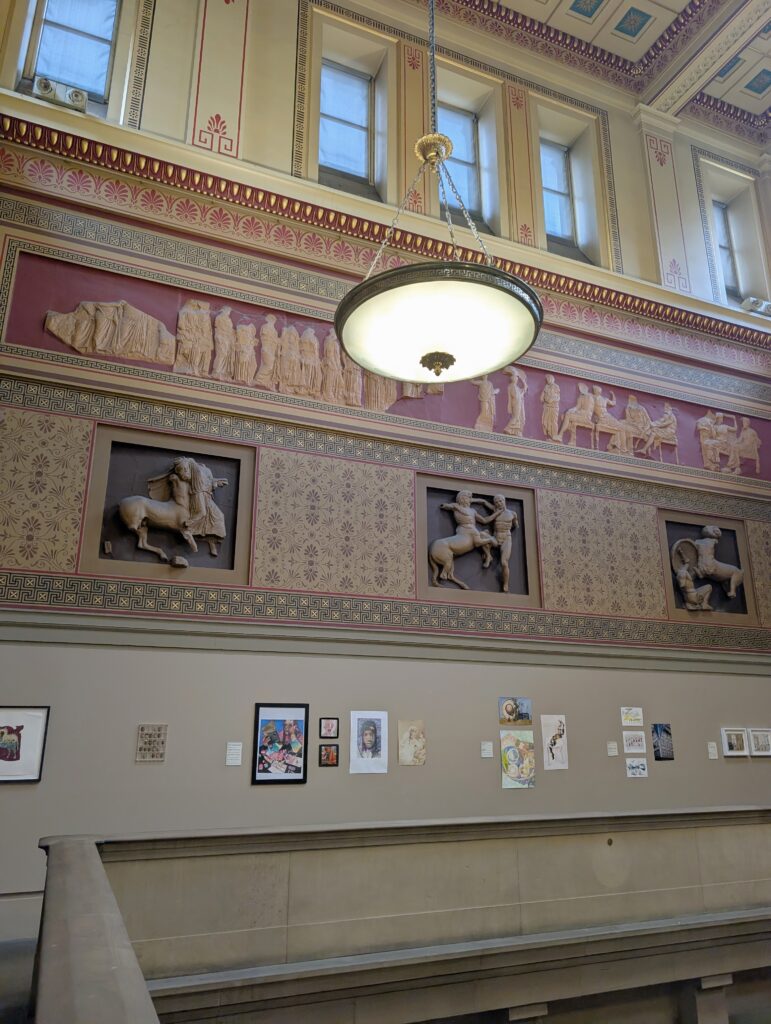
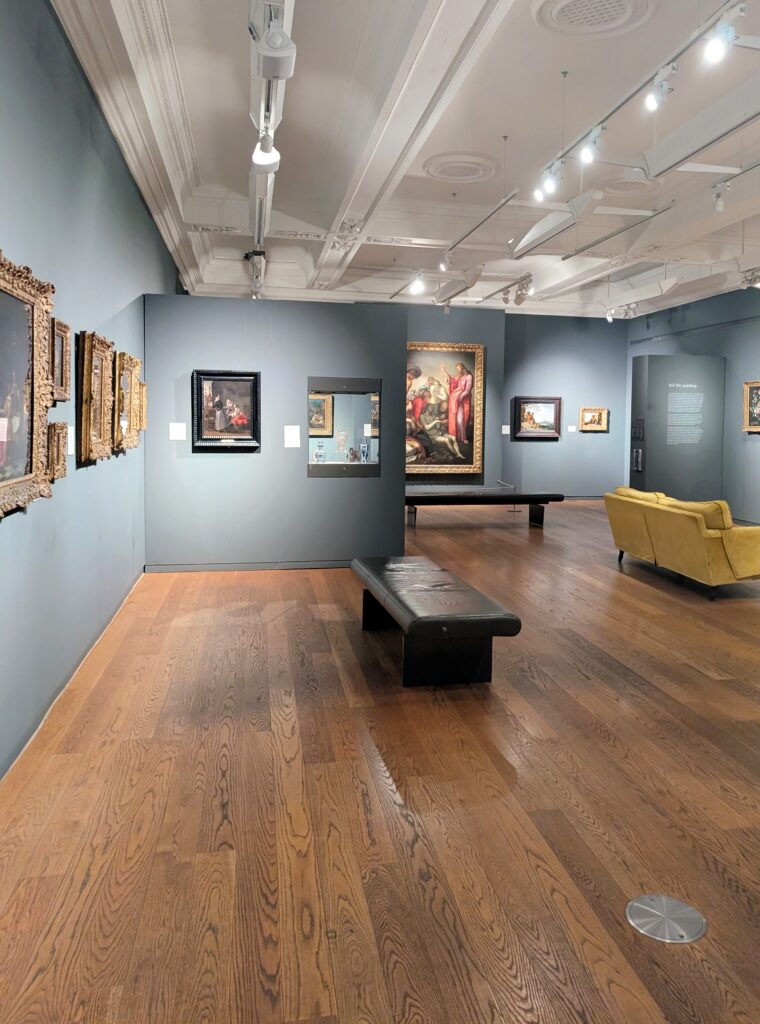
One of the things I like about Manchester Art Gallery is that there’s a good variety to look at, so you don’t need to be a massive art enthusiast to enjoy a wander around. You can dip in and out of different galleries and see everything from historic paintings and decorative arts to fashion and more contemporary exhibitions.
And yes, admission is free, which makes it another great option if you’re looking for things to do in Manchester without spending a fortune. The gallery is open Tuesday-Sunday from 10am-5pm.
I’d allow around an hour and a half to explore, although you can obviously stay longer if something catches your eye or there’s a temporary exhibition you’d particularly like to see.
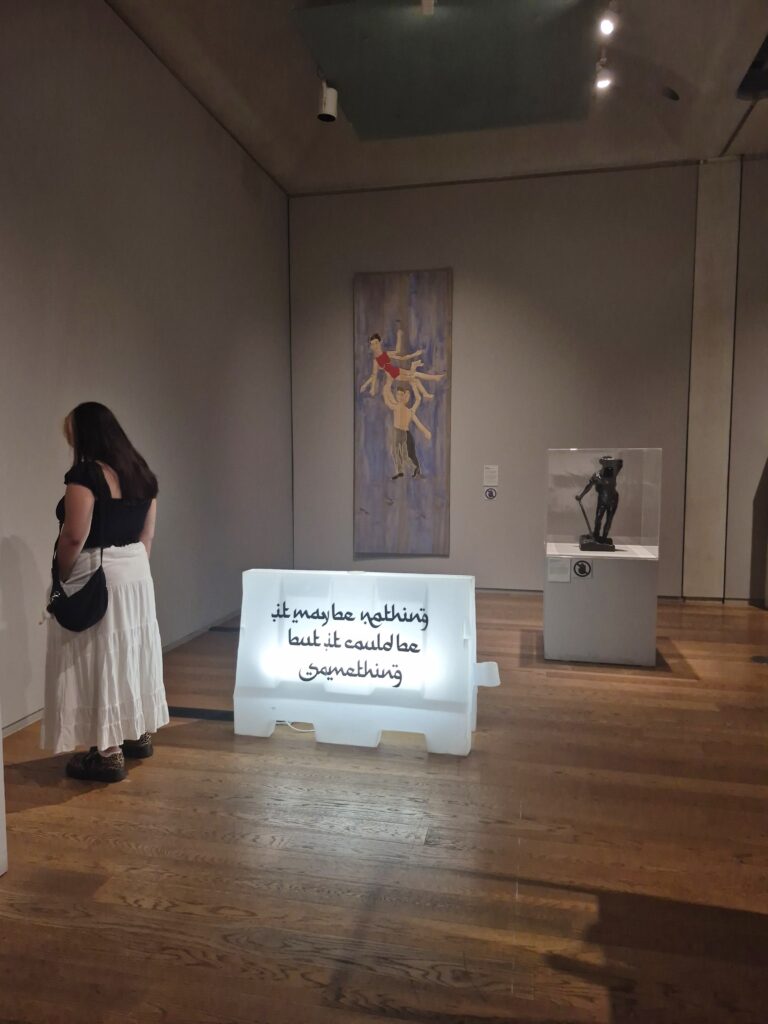
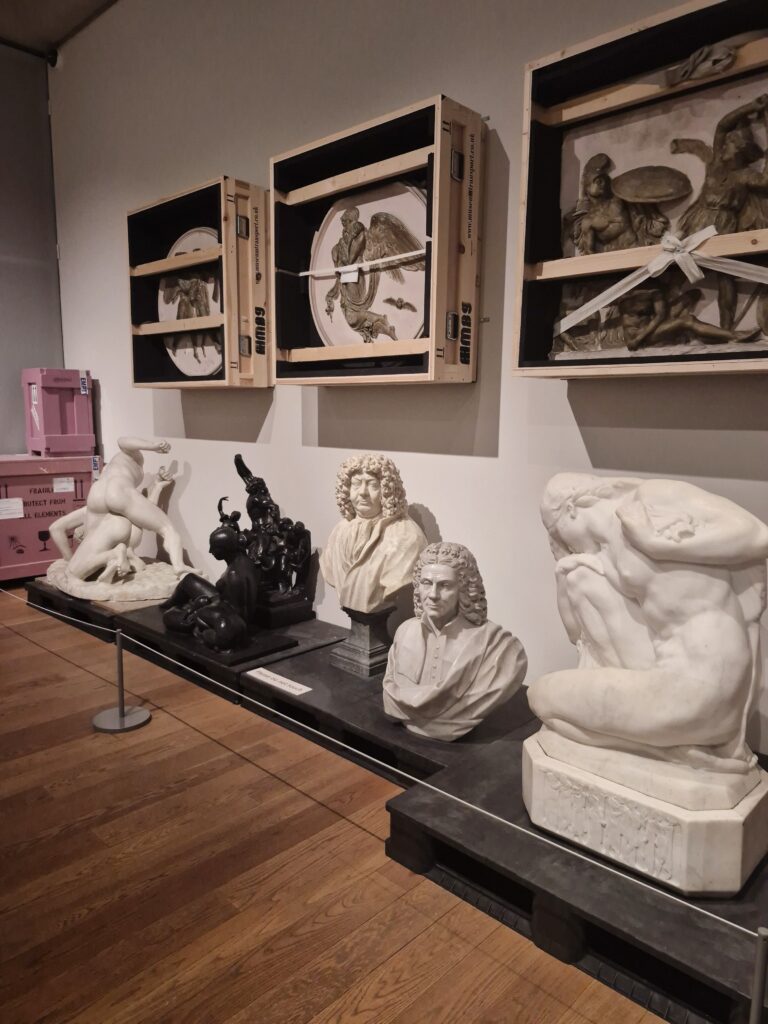
Tip: Check what’s on before your visit, as exhibitions and displays change throughout the year.
Chinatown
From the gallery, make your way towards Manchester’s Chinatown. It’s relatively small, but it’s still worth a wander. The first thing you’ll probably notice is the huge Imperial Chinese Arch on Faulkner Street, which makes for a great photo.
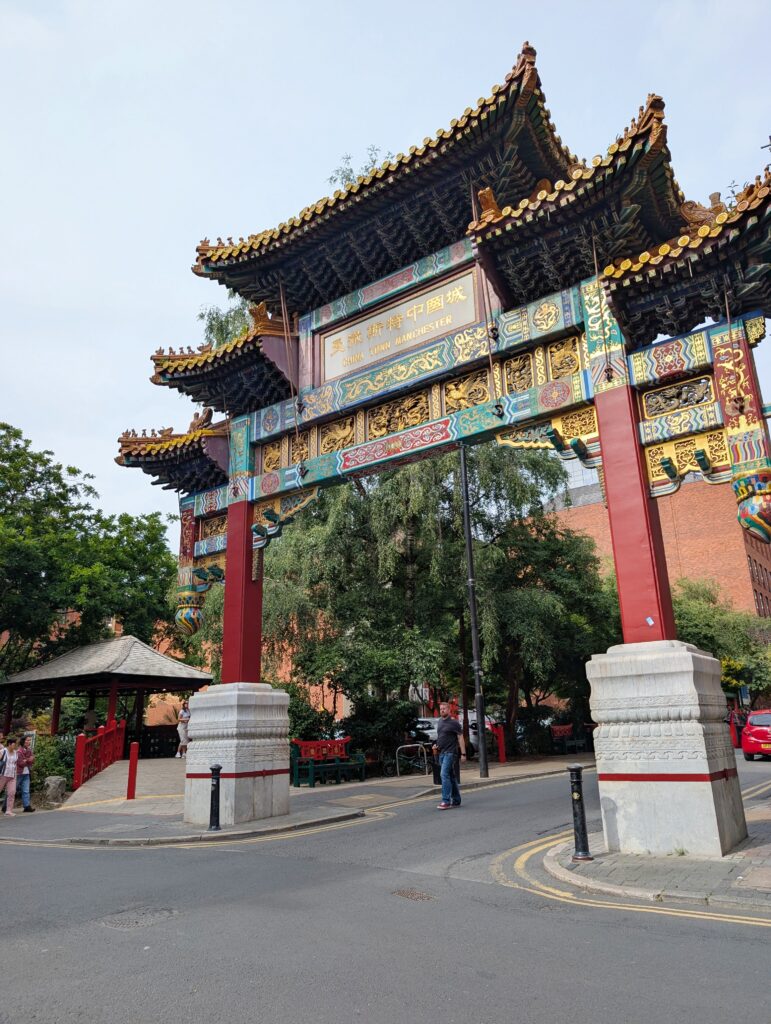
Beyond the arch, you can explore the surrounding streets, which are filled with Asian restaurants, bakeries, bubble tea shops and other businesses.
I wouldn’t dedicate half a day to Chinatown, but it’s an easy place to combine with other central Manchester attractions.
My extra tip: If you’re looking for a cute and affordable Chinatown souvenir, pop into T.La Art & Craft Gallery Ltd. I found it such a lovely little shop, and the man working behind the register was genuinely one of the kindest people I met while exploring Manchester.
Manchester’s Gay Village & Canal Street
From Chinatown, it’s easy to make your way towards Manchester’s Gay Village.
The area is centred around Canal Street and is one of the most recognisable LGBTQ+ areas in the city, with colourful bars, restaurants and businesses lining the Rochdale Canal.
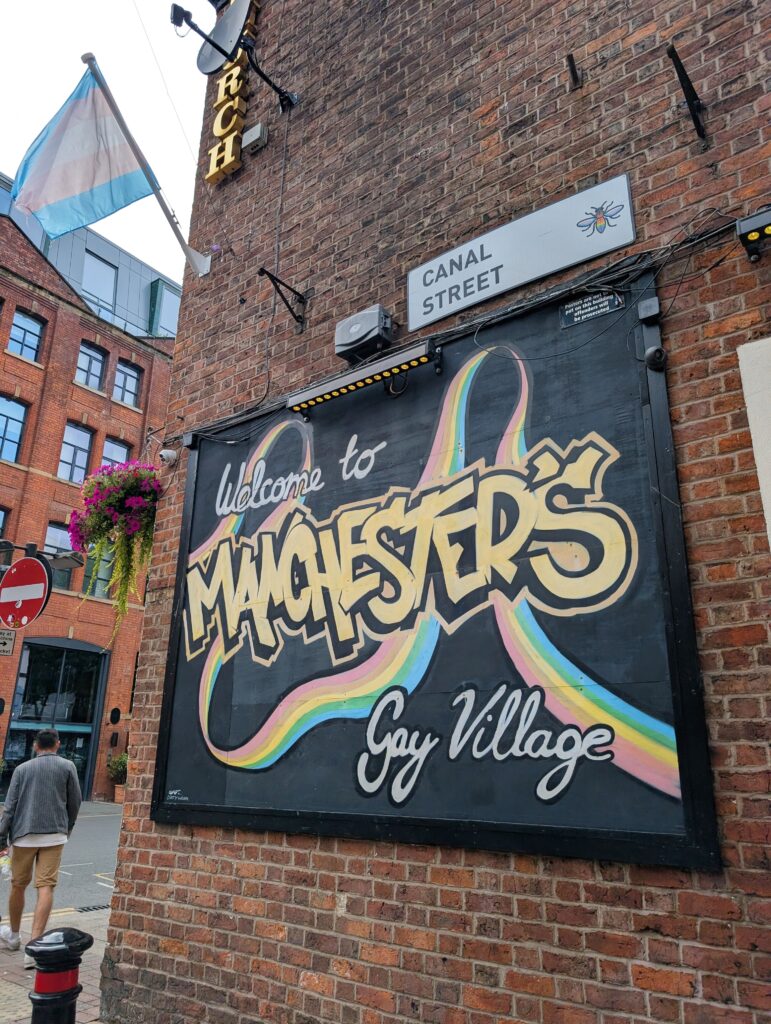
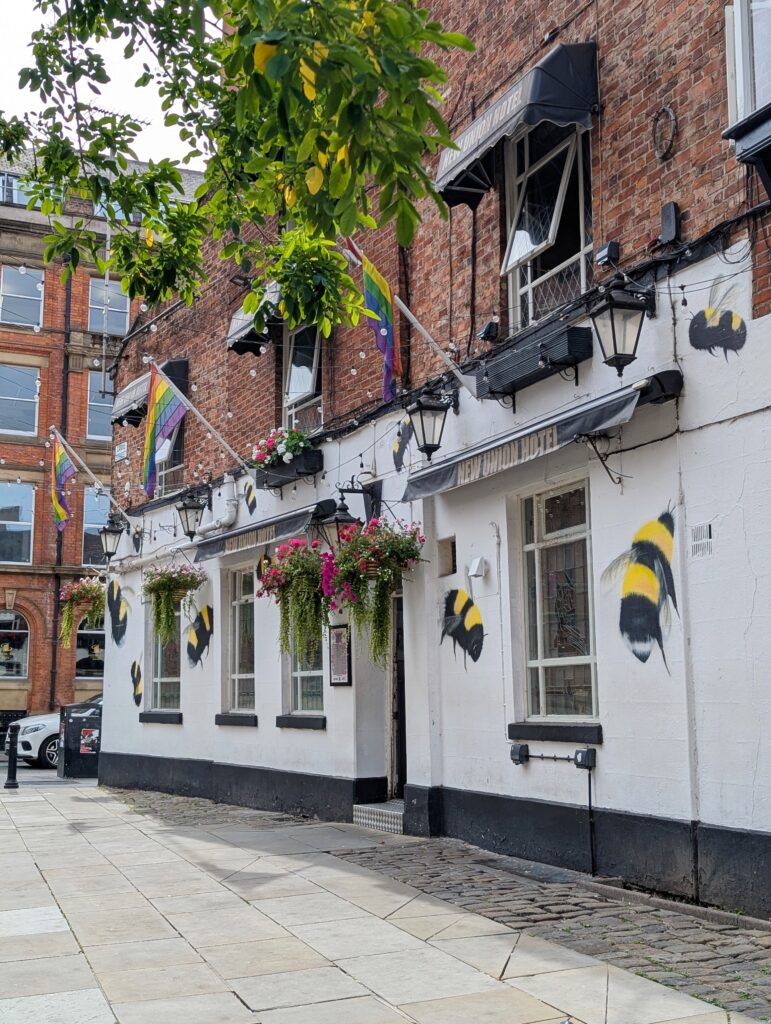
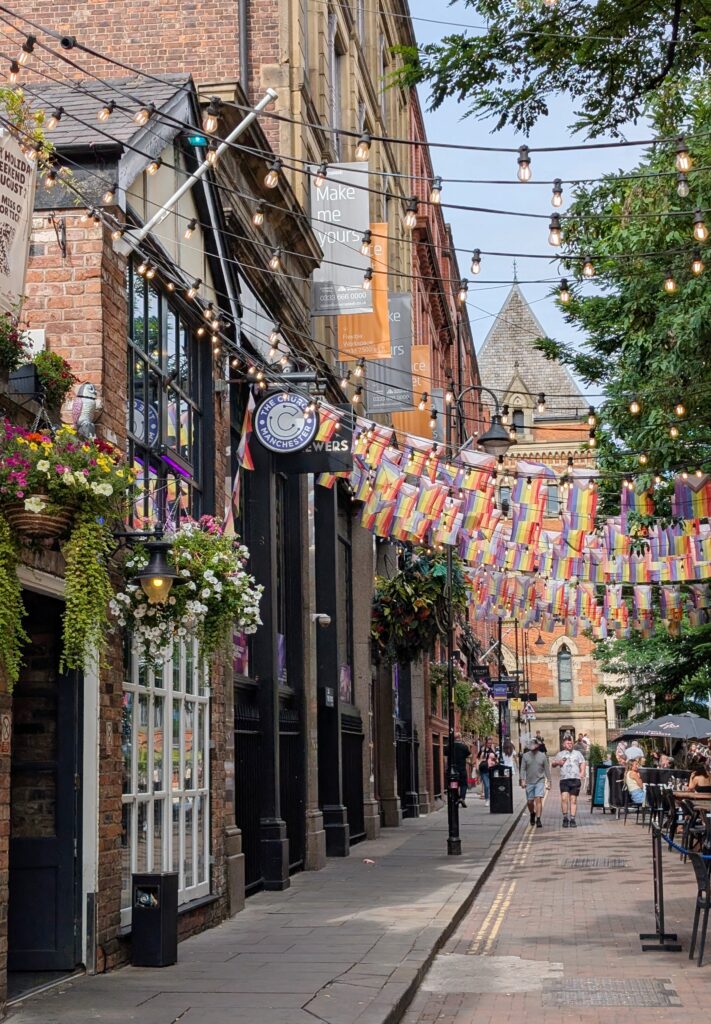
I’d also make a small detour to Sackville Gardens, where you’ll find the statue of Alan Turing.
Turing was a mathematician, computer scientist and codebreaker who played an important role in the development of modern computing. His connection to Manchester and his experiences as a gay man make the statue and surrounding area an important part of the city’s LGBTQ+ history.
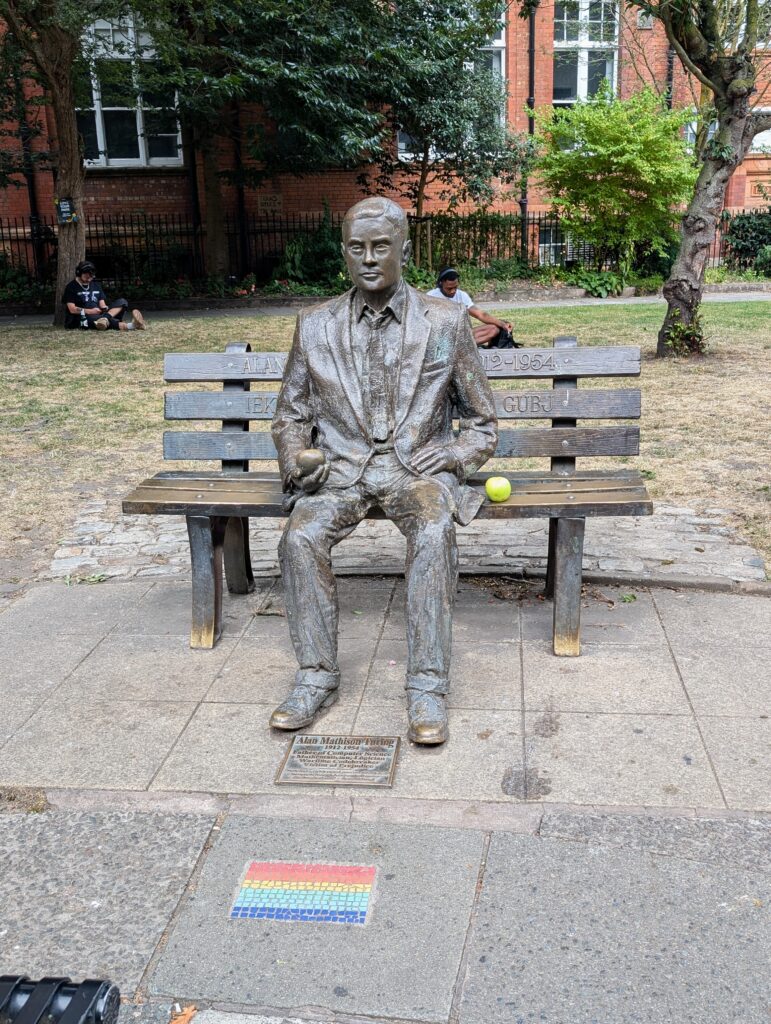
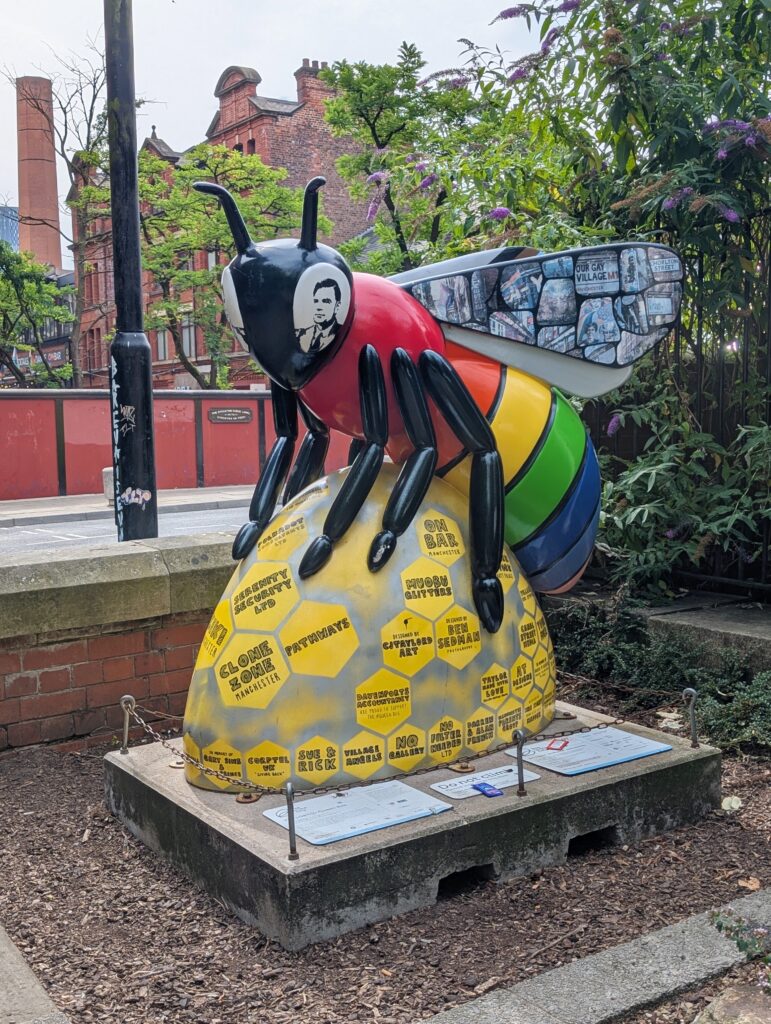
You can then continue towards Canal Street and simply wander around the area.
Day 4: Northern Quarter, Afflecks & Independent Manchester
For your final day, I’d leave the museums behind and spend some time exploring one of my favourite parts of Manchester: the Northern Quarter.
This is the day I’d keep a little more flexible, because half the fun here is wandering into shops and discovering things you weren’t actually looking for.
The Northern Quarter
The Northern Quarter is one of my favourite areas for independent shops, cafés and generally just wandering around.
It’s a very different side of Manchester from the historic buildings and museums you’ve explored over the previous few days, and it’s a great place to slow down and browse.
And obviously, you can’t visit the Northern Quarter without stopping at Afflecks.
Afflecks
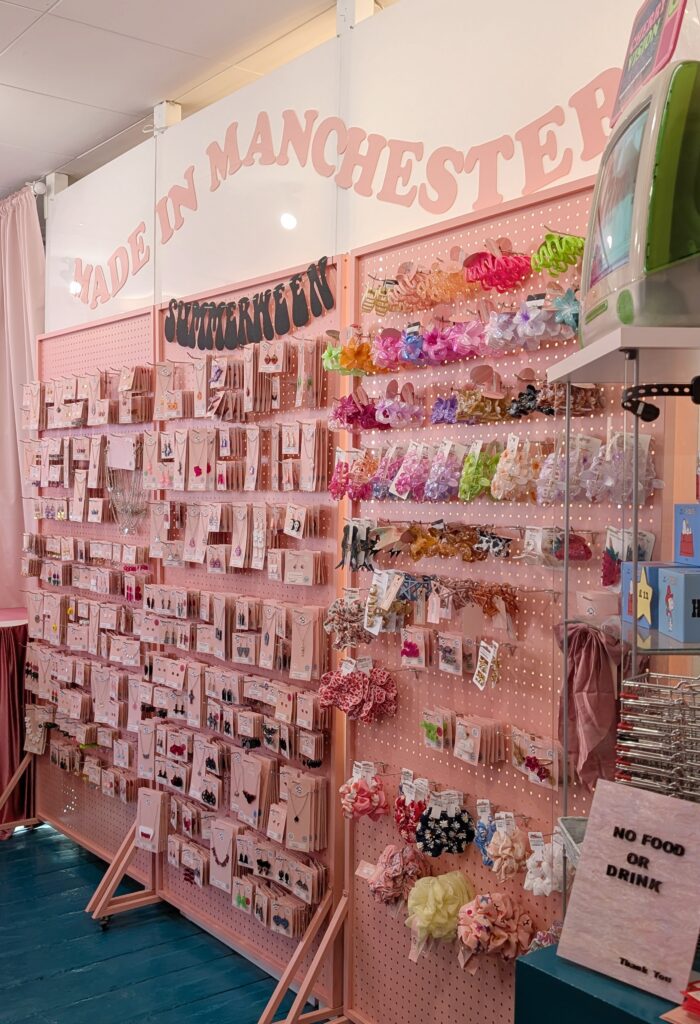
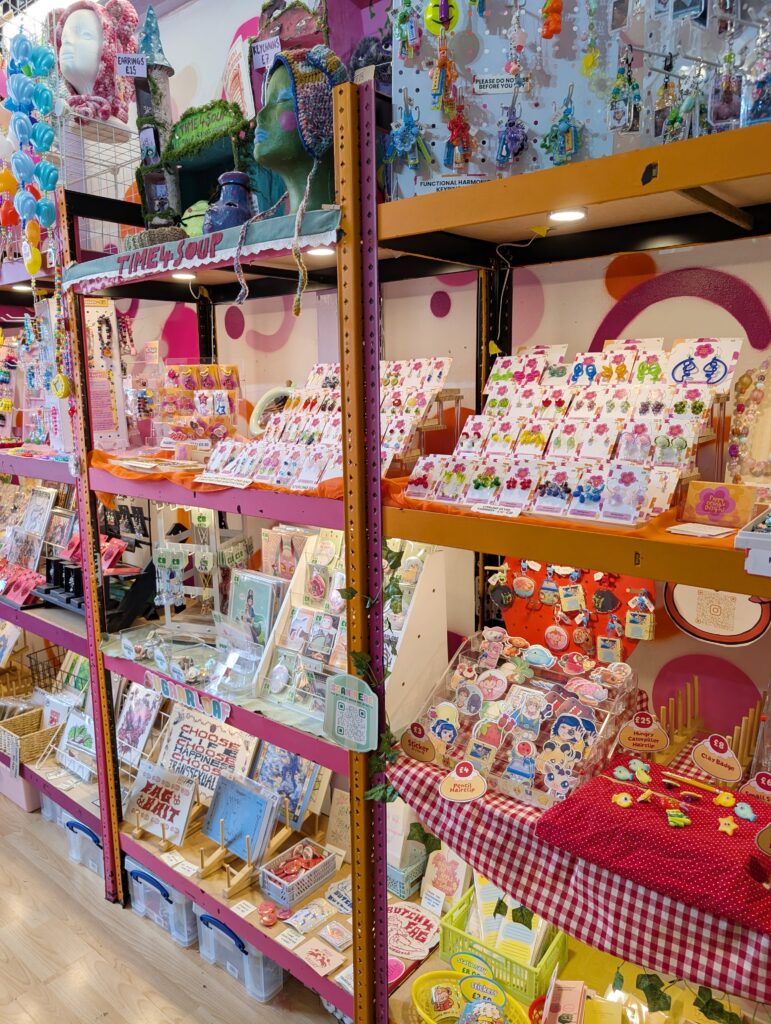
Afflecks is an independent indoor shopping emporium spread across several floors, with loads of small businesses selling everything from jewellery and clothing to art, gifts, alternative fashion and quirky little things you probably didn’t know you needed.
I could easily spend hours wandering around here.
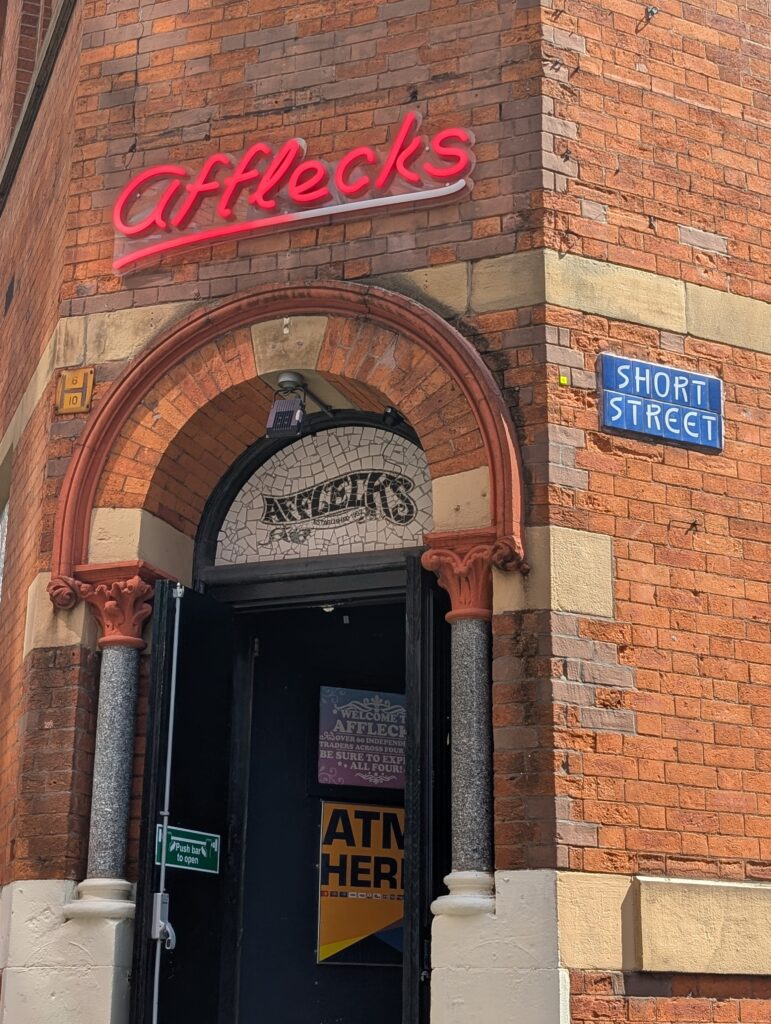
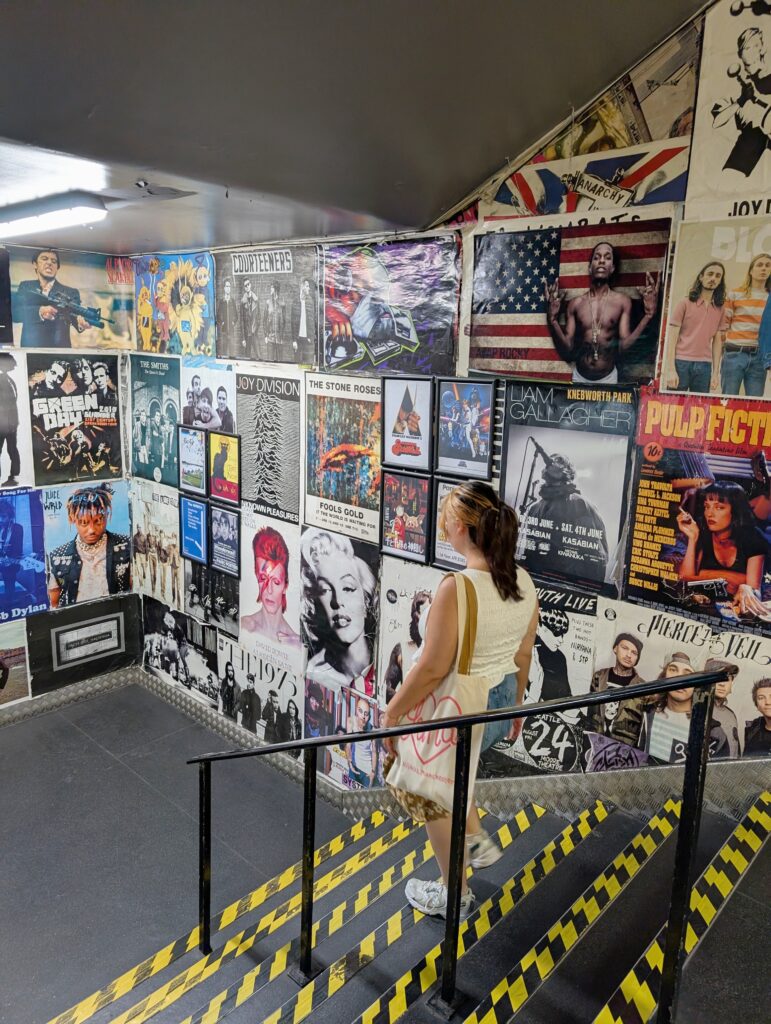
My Favourite Shops in Afflecks
There are loads of shops inside Afflecks, but these were some of my favourites:
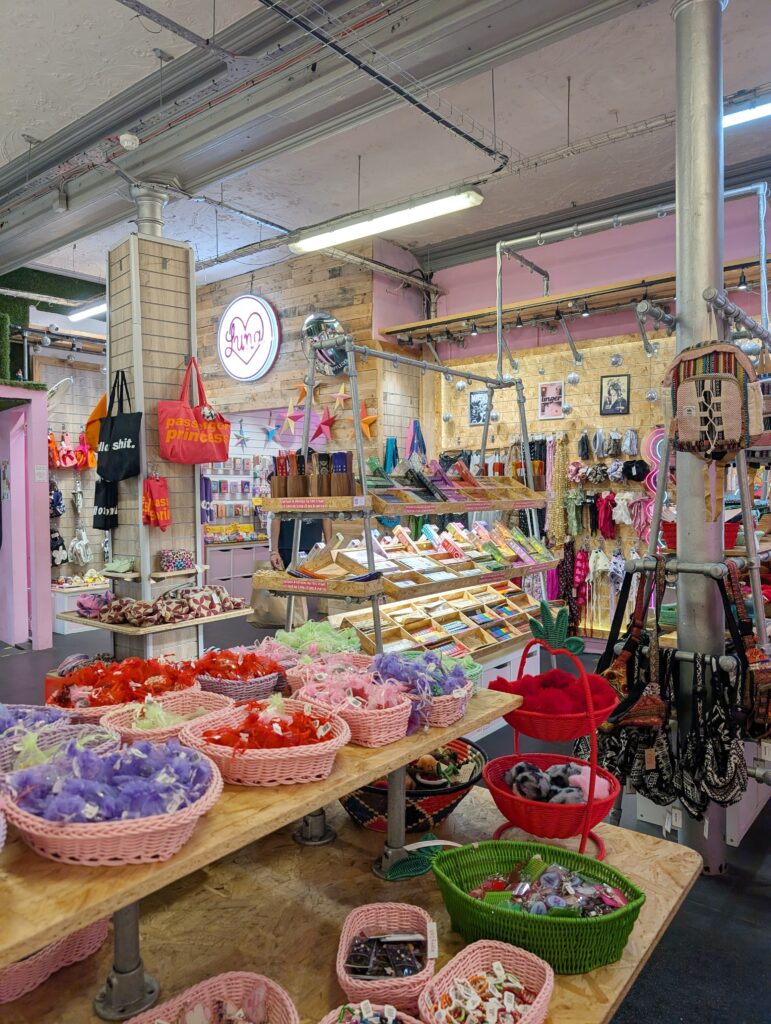
LUNA was probably my favourite overall. If you like colourful, quirky accessories and jewellery, definitely have a look around.
Sour Cherry is another one I’d recommend, especially if you’re looking for fun jewellery that doesn’t cost a fortune. They have loads of colourful and playful designs, and everything feels much more interesting than the usual high-street jewellery.
I also really liked Dotty Poppy, another independent shop with plenty of cute and creative things to browse.
Basically, give yourself time to wander. Half the fun of Afflecks is finding something you weren’t actually looking for.
The Makers Market – Check the Calendar
If your trip happens to line up with a Makers Market in central Manchester, I definitely recommend checking it out.
The Makers Market isn’t exclusive to Manchester. They run markets across the North West and Midlands, bringing together independent makers, artists, food producers and small businesses.
The exact locations and dates vary, so check The Makers Market calendar before your trip to see whether there’s a Manchester market happening while you’re there.
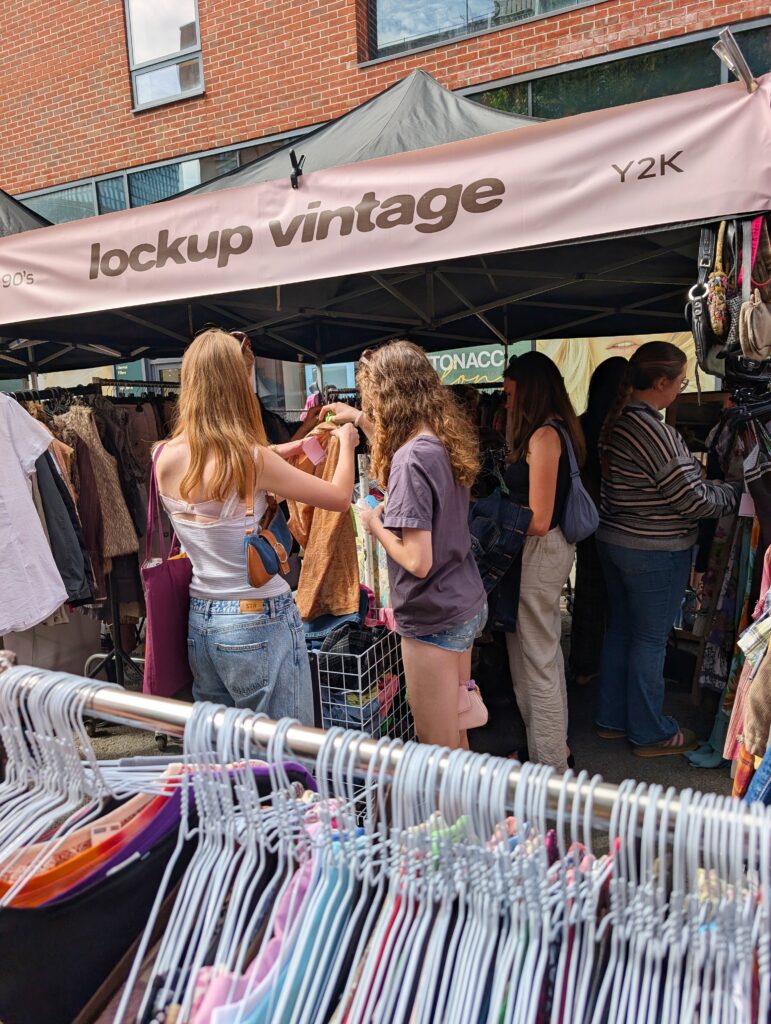
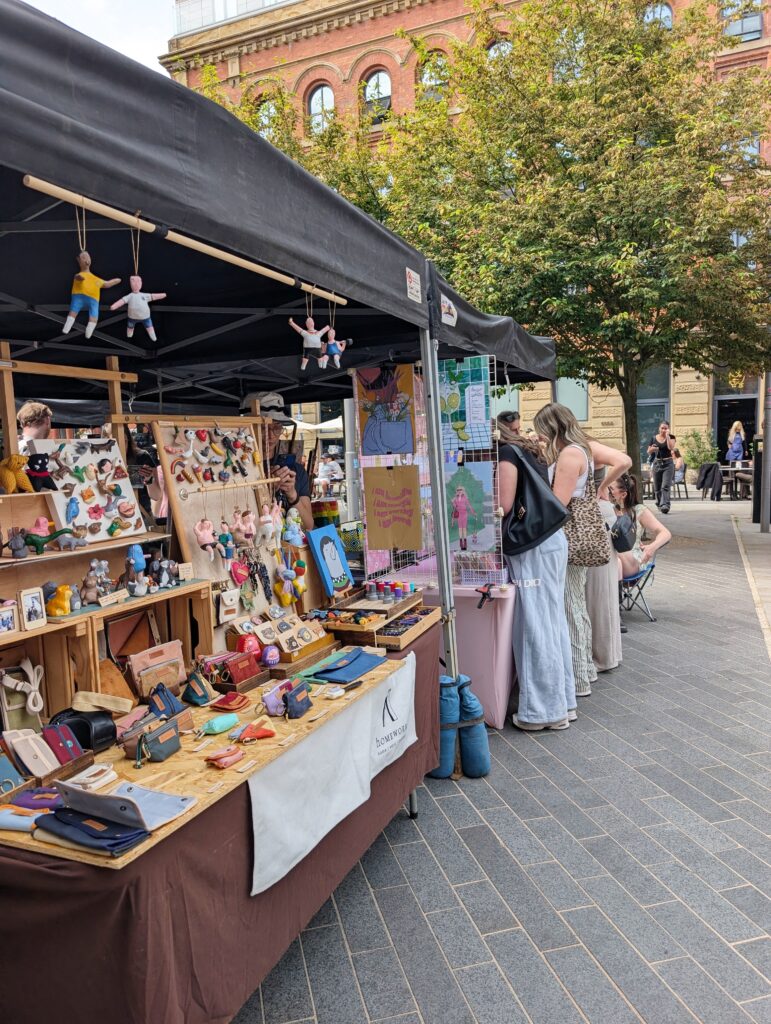
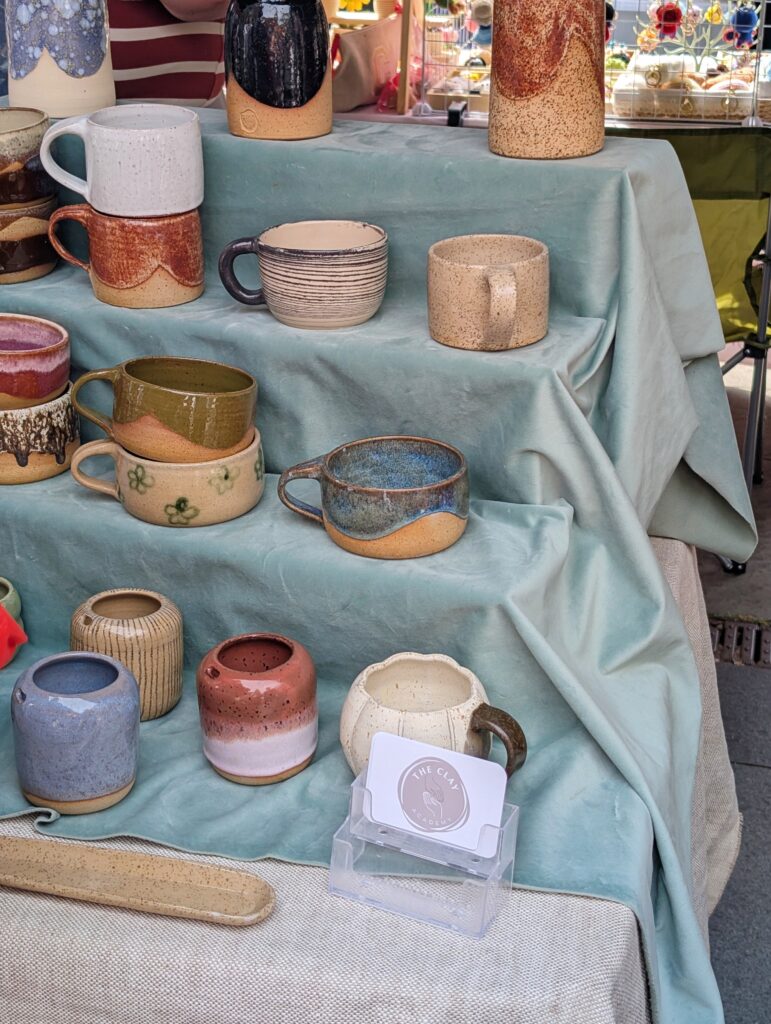

I honestly love stumbling across markets like this when travelling because you get to discover so many local businesses in one place. There are always loads of unique things to browse, and it’s a fun way to spend a few hours without needing a whole itinerary.
Important: The Makers Market is date-dependent, and the Ancoats location does not take place every weekend.
After spending a full week exploring Manchester, I came away feeling like it’s a city I’d happily return to.
I originally worried that I’d run out of things to do, especially because I knew most people wouldn’t be staying for seven days. But once I stopped trying to treat every day like a checklist, I actually found that Manchester worked really well at a slower pace.
There is so much history behind the city, particularly its industrial past, and I think understanding that history makes Manchester much more interesting. You can see the influence everywhere, from the canals and old warehouses around Castlefield to the buildings and streets throughout the city centre.
At the same time, there are loads of independent businesses, creative spaces, markets, museums and neighbourhoods that give the city plenty of personality.
If you want to see the best of Manchester in four days, I’d follow this itinerary: start with Castlefield and the Science and Industry Museum, explore John Rylands Library, the People’s History Museum and Manchester Cathedral, spend a day discovering Manchester Art Gallery, Chinatown and the Gay Village, and finish by getting lost among the independent shops of the Northern Quarter and Afflecks.
And if your dates happen to line up with one of the markets, even better.
After spending a week exploring the city, I genuinely feel like this itinerary gives you a pretty complete picture of central Manchester – from its industrial roots and fascinating history to its museums, architecture, LGBTQ+ heritage, independent businesses and creative side.
Manchester definitely surprised me, and I think it deserves more attention as a city break destination.
Xo Bug Girl
Instagram: @thebuggirladventures
Leave a Reply