
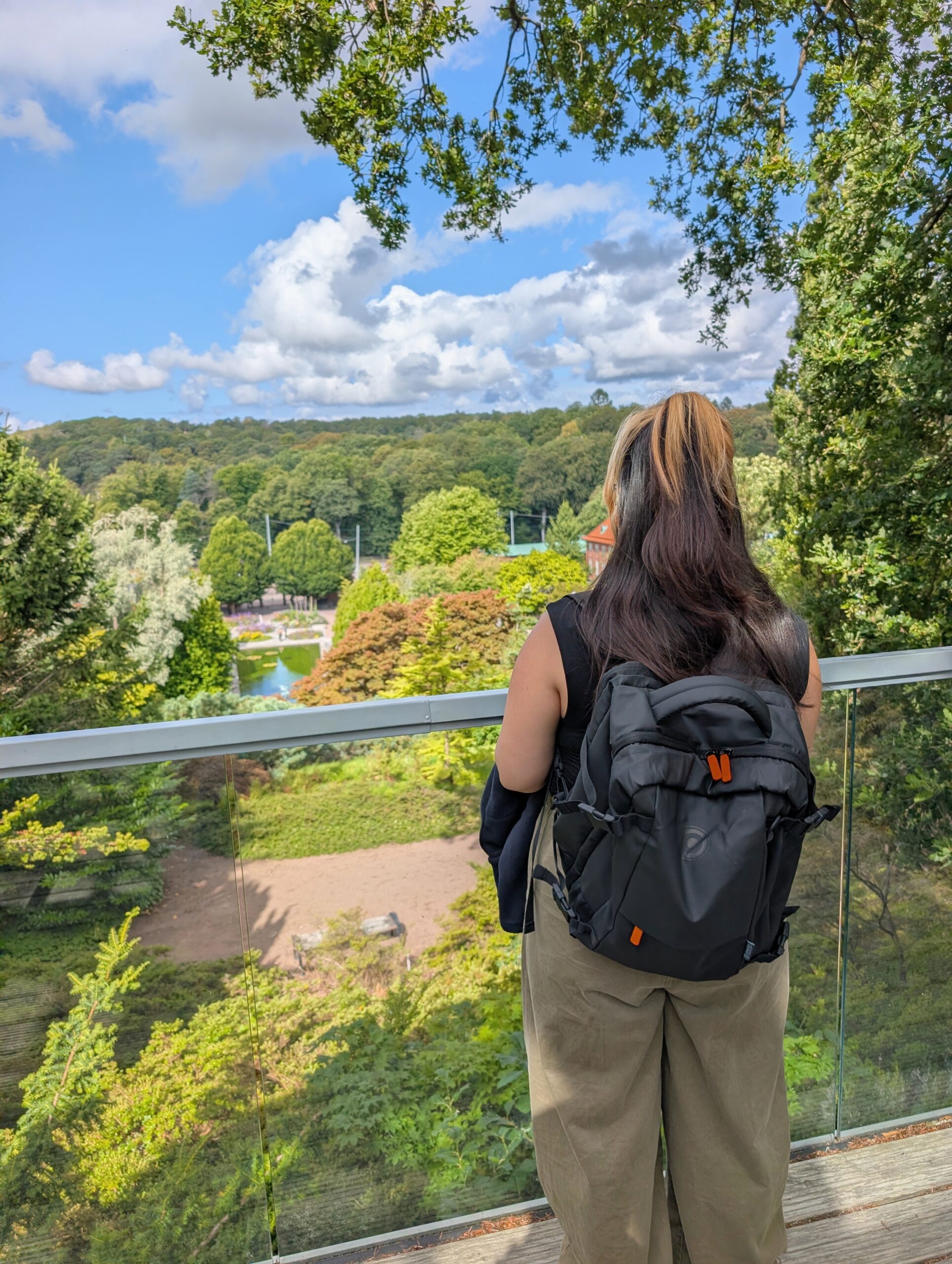
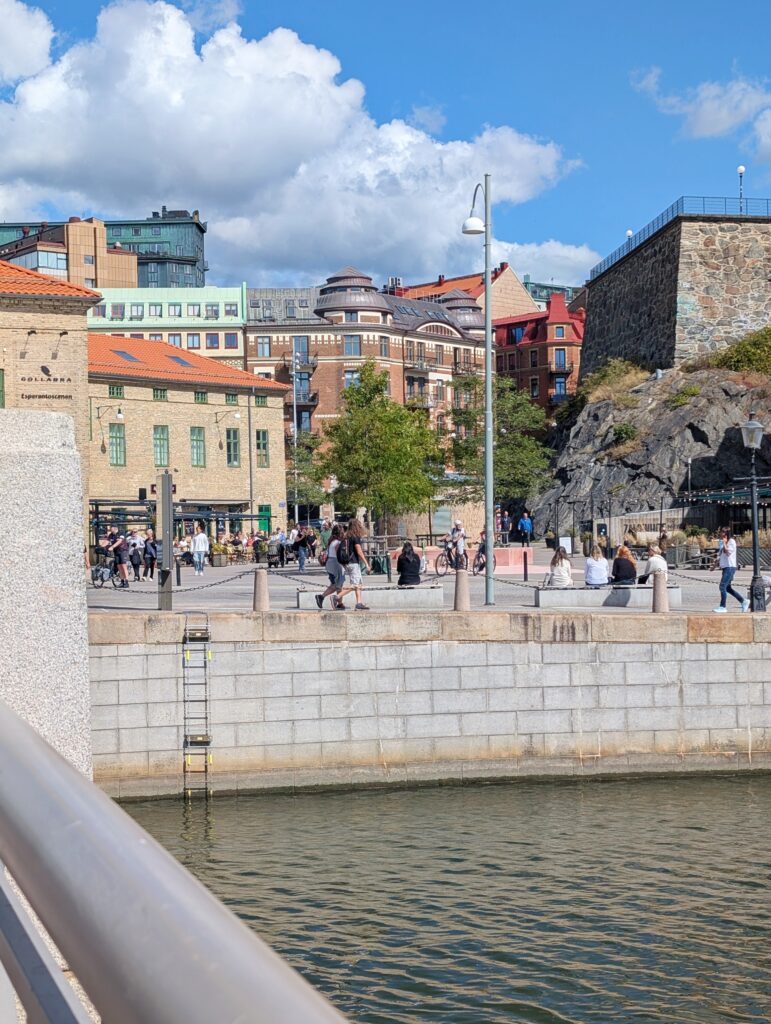
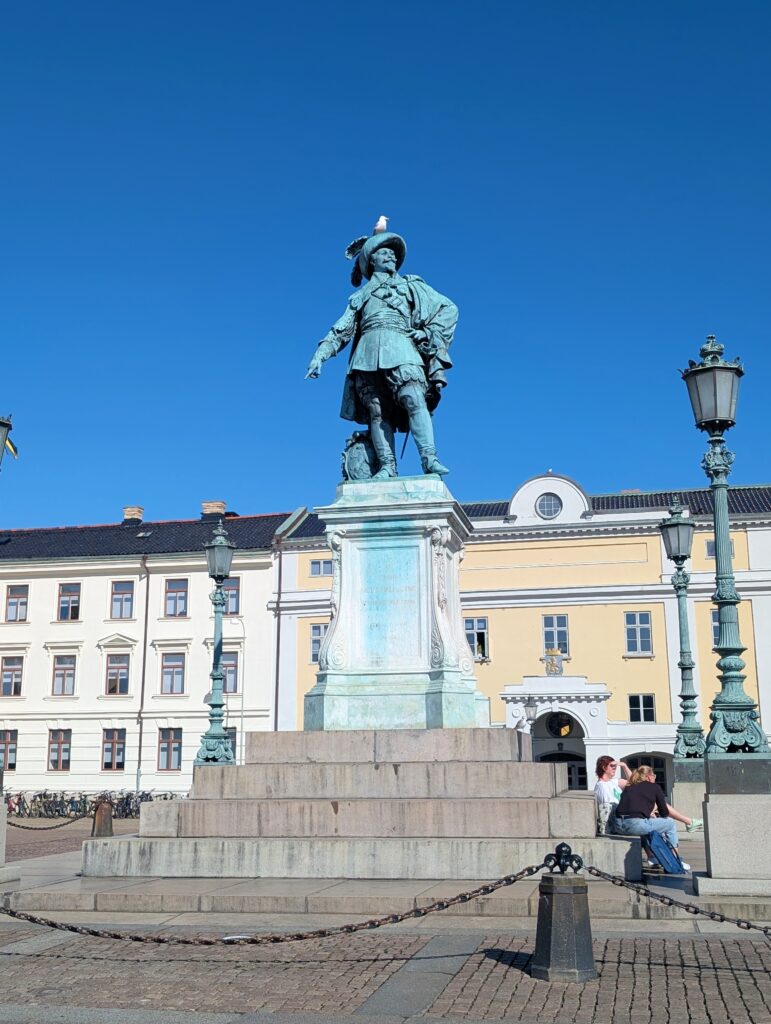
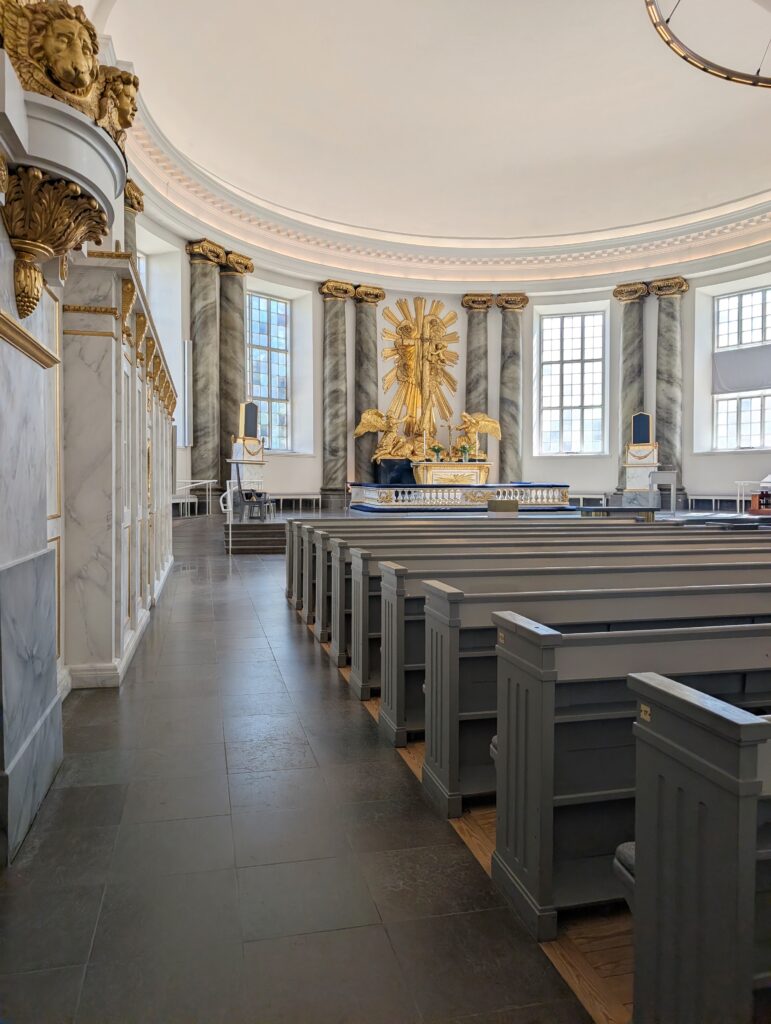
Gothenburg is one of those cities that I think deserves a little more attention as a European city break destination. Sweden’s second-largest city has a lovely mix of historic neighbourhoods, beautiful green spaces, interesting museums, independent shops and cosy cafés. All with a relaxed atmosphere that makes it easy to enjoy at your own pace. During my first visit, I was pleasantly surprised by just how much there was to explore. From strolling through historic gardens and discovering Swedish food favourites to admiring the city from above, Gothenburg turned out to be such a lovely destination for a city break.
This 3-day Gothenburg itinerary brings together the city’s main highlights, with each day organised around a different area or theme to make exploring easier. You’ll discover the historic city centre, visit some of Gothenburg’s most interesting museums, wander through the charming Haga neighbourhood and spend a day surrounded by nature. Whether you’re visiting Gothenburg for the first time or simply looking for an underrated European city break, here’s how I’d spend three days in the city.
Still looking for somewhere to stay in Gothenburg? Check out the latest hotel offers here.
Day 1: Central Gothenburg Gardens, Food & Art
I’d start your Gothenburg trip in the city centre, where you’ll find a lovely mix of green spaces, food spots and cultural attractions. This day is particularly nice if you’re visiting in spring or summer, when the gardens are looking their best.
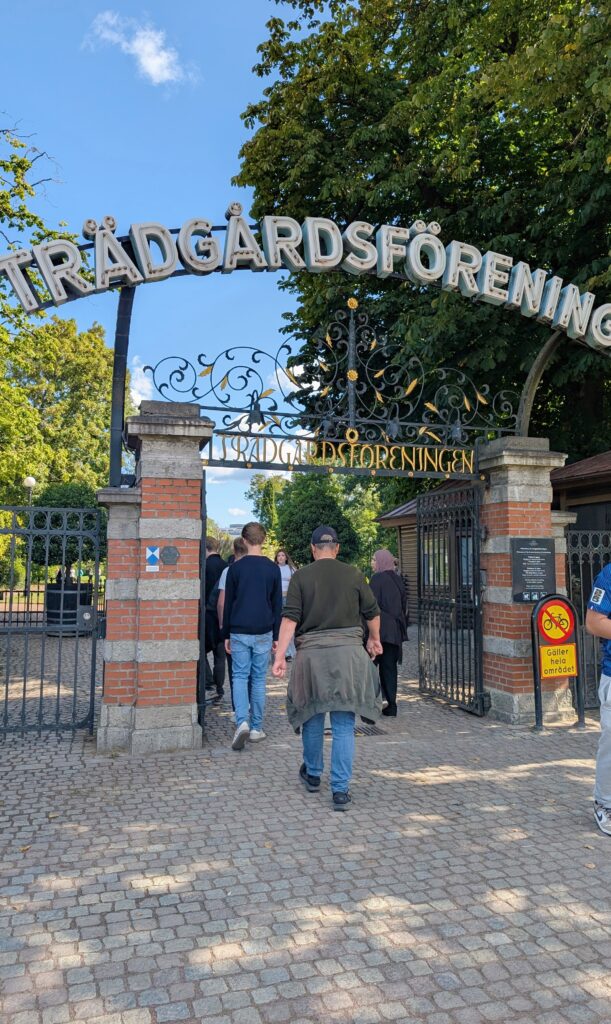
Trädgårdsföreningen – The Garden Society of Gothenburg
Start your day at Trädgårdsföreningen, also known as the Garden Society of Gothenburg.
This historic city park dates back to the 19th century and is one of Europe’s best-preserved 19th-century parks. It’s right in the centre of Gothenburg, making it an easy and lovely place to start your day. The park is filled with winding paths, flower beds, old trees and a beautiful rose garden. You’ll also find cafés and places to sit and enjoy the surroundings.
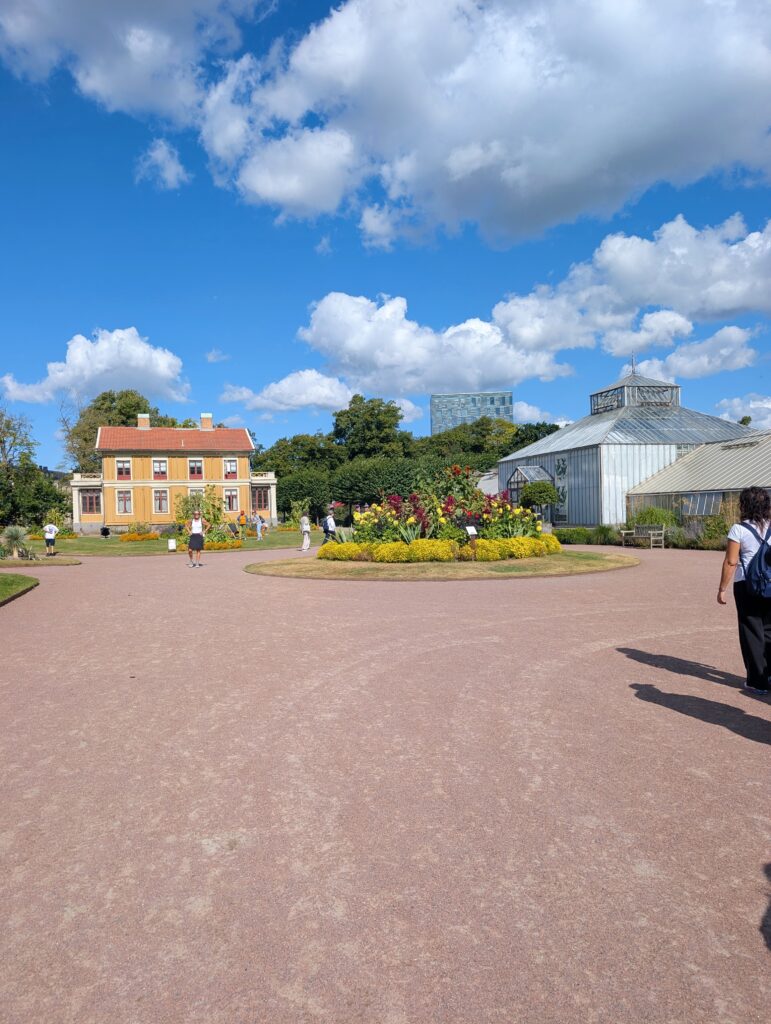
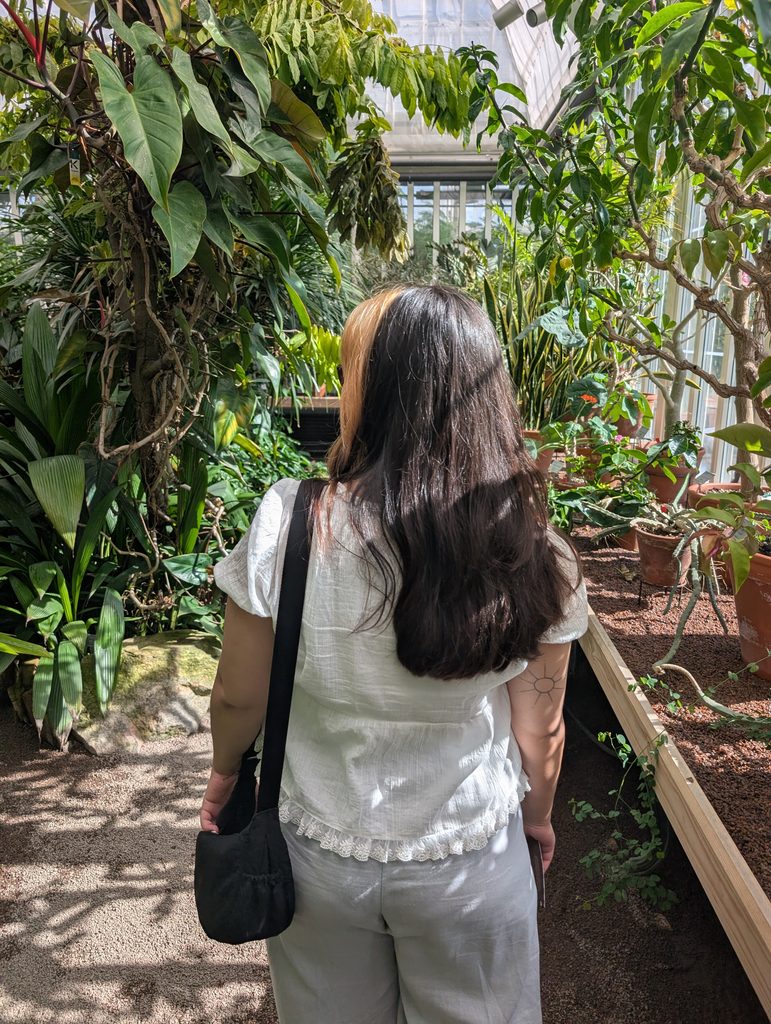
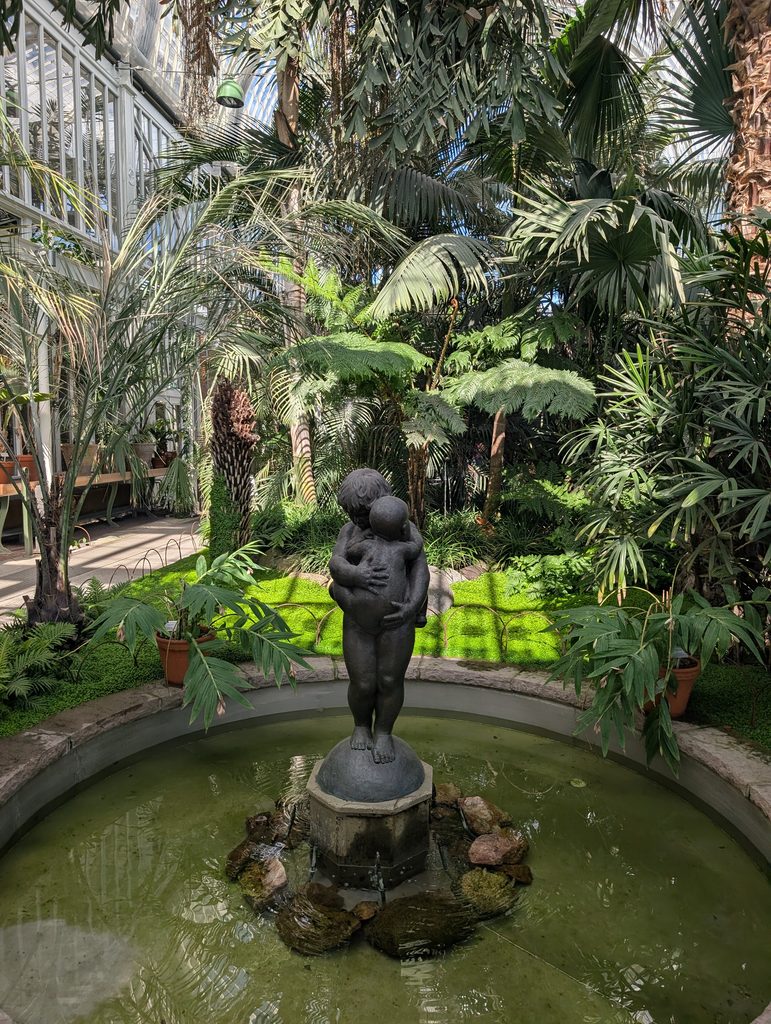
The main highlight for me, however, was the Palm House (Palmhuset), the park’s gorgeous glass greenhouse. It dates back to 1878 and is home to a collection of tropical and exotic plants, spread across several different sections. As someone who loves botanical gardens, I simply had to visit the greenhouse. It was smaller than I expected, but absolutely gorgeous! I loved wandering through the different rooms and admiring all the plants.
The park itself was such a serene place to stroll around. It was beautifully maintained and clean, and I think it’s particularly lovely in nice weather when you can take your time enjoying the gardens.
Practical information
- Admission: Free entry to both the park and Palm House.
- Park opening hours: Daily, generally 7am-8pm from May to September and 7am-6pm from October to April.
- Palm House opening hours: Generally 10am-7pm in summer and 10am-4pm during the rest of the year.
Opening hours and access to individual greenhouse sections can change during restoration work, so check the official website before visiting.
Saluhallen Food Hall
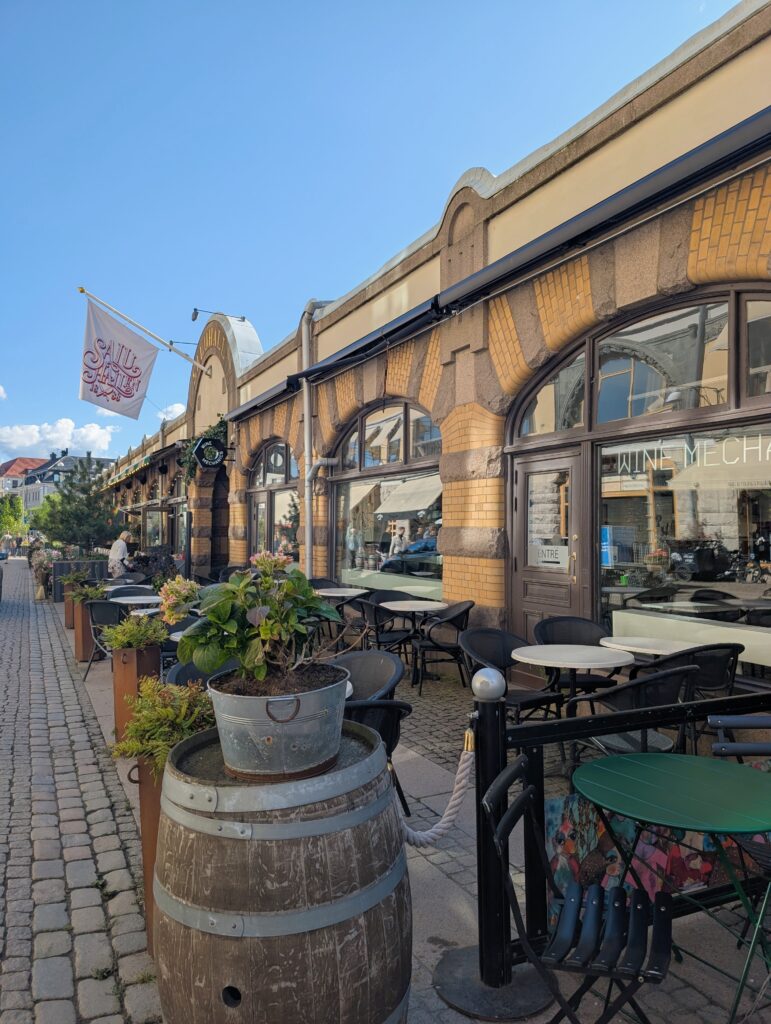
After a peaceful morning in the gardens, head towards Stora Saluhallen, Gothenburg’s historic food hall.
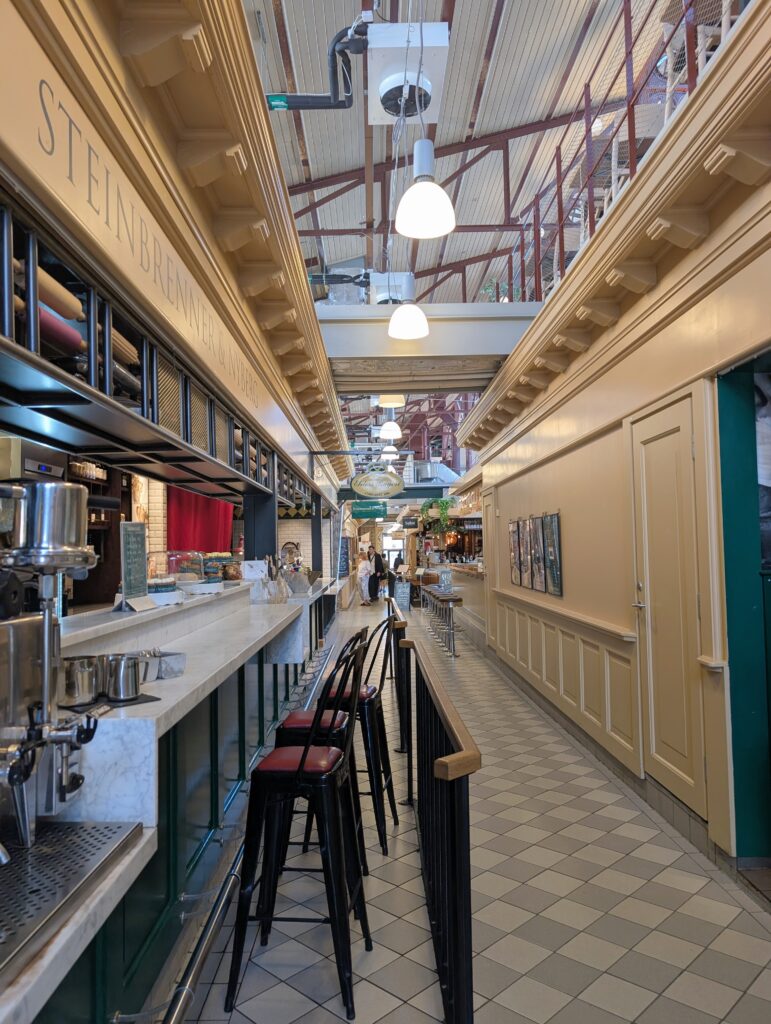
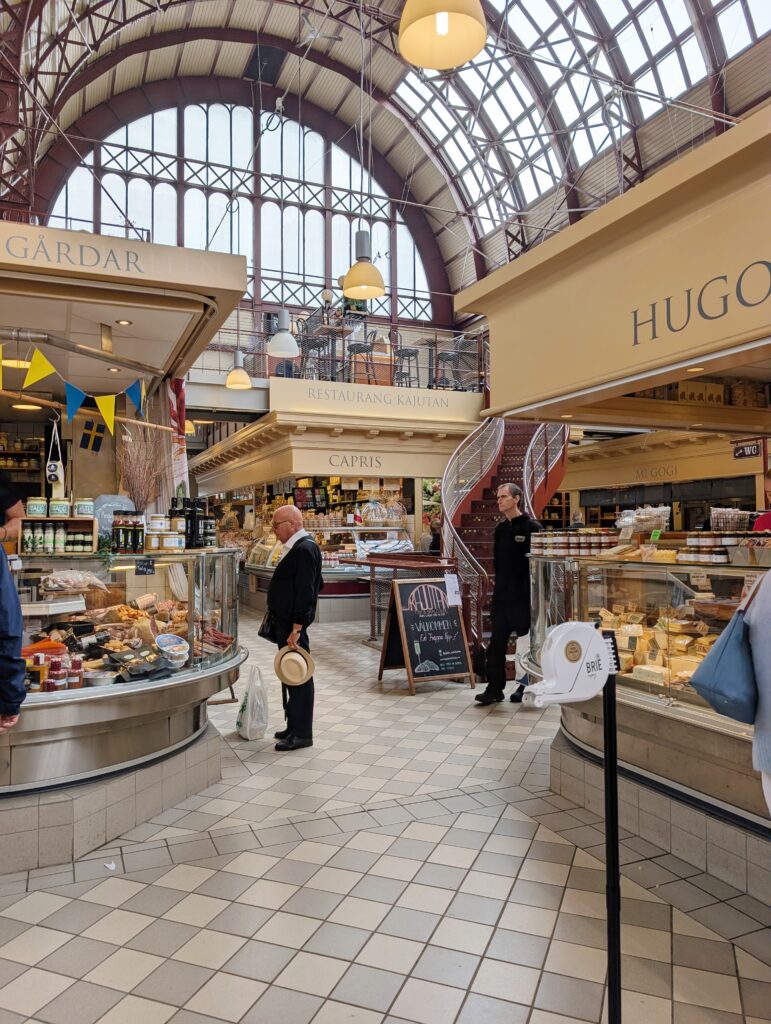
The market hall has been a food destination in the city since 1888. The building itself is beautiful, with a glass ceiling and elegant iron arches, and inside you’ll find a variety of food shops, restaurants, bars and delicatessens.
It’s a great place to stop for lunch, grab a snack or simply browse the different food stalls. You’ll find everything from fresh produce and speciality ingredients to baked goods and ready-to-eat meals.
One place I’d definitely recommend checking out is Brogyllen, a bakery inside the food hall. I tried their Daim brownie, and oh my goodness, it was delicious! Daim is a popular Swedish chocolate made with crunchy caramel covered in smooth chocolate. It’s such a lovely combination of textures, and the brownie was absolutely amazing. I’m genuinely mouth-watering just thinking back about it!
If you’re visiting Saluhallen, definitely make a little detour to Brogyllen. It’s such a good spot for a sweet treat.


Gothenburg Museum of Art
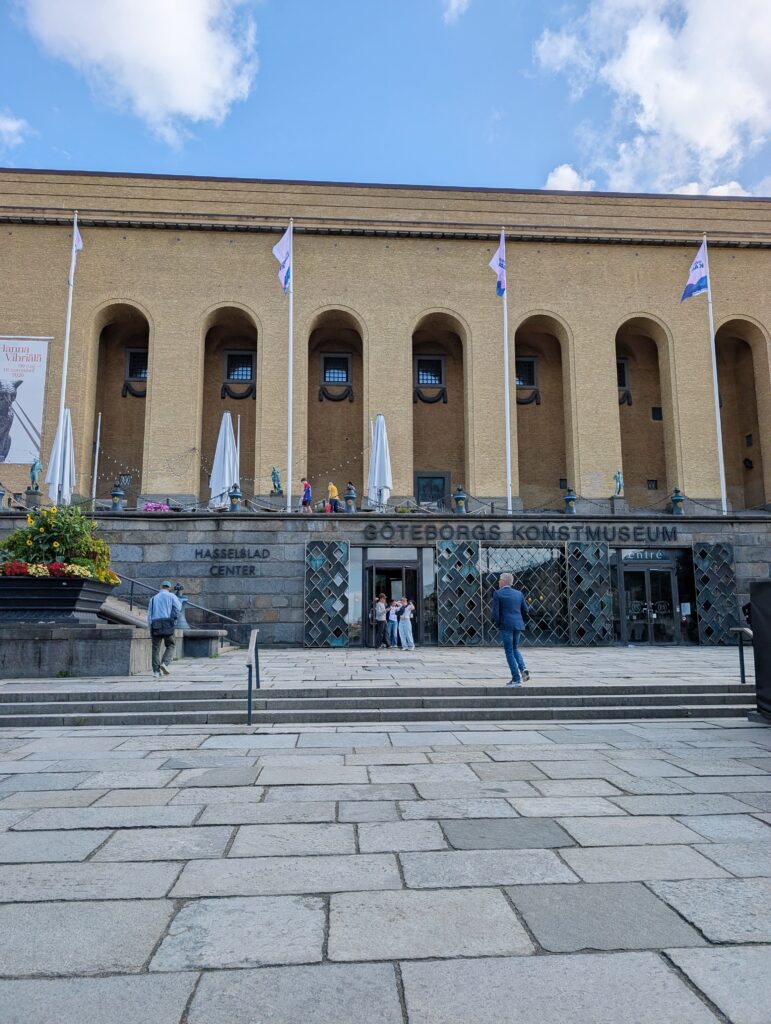
Finish your first day at Gothenburg Museum of Art, located at Götaplatsen.
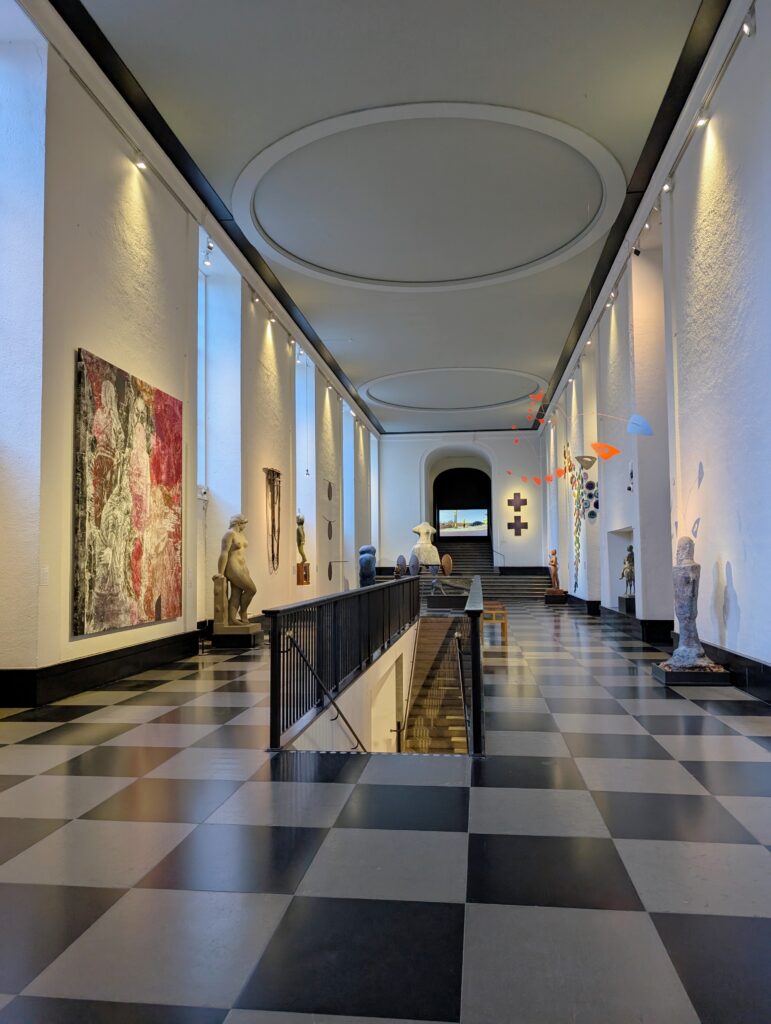
The museum houses one of Northern Europe’s most impressive art collections, with works by artists such as Rembrandt, Picasso and van Gogh alongside contemporary artists. You’ll find a wide range of paintings and other artworks spanning different periods, making it an interesting stop whether you’re a dedicated art lover or simply enjoy visiting museums while travelling.

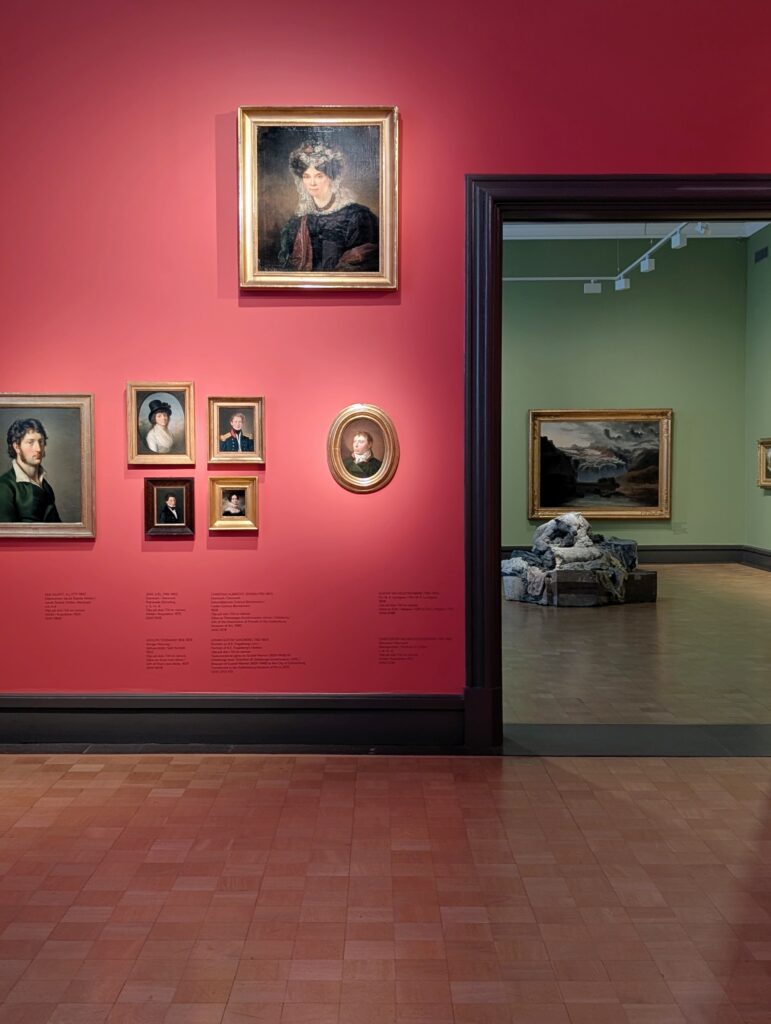
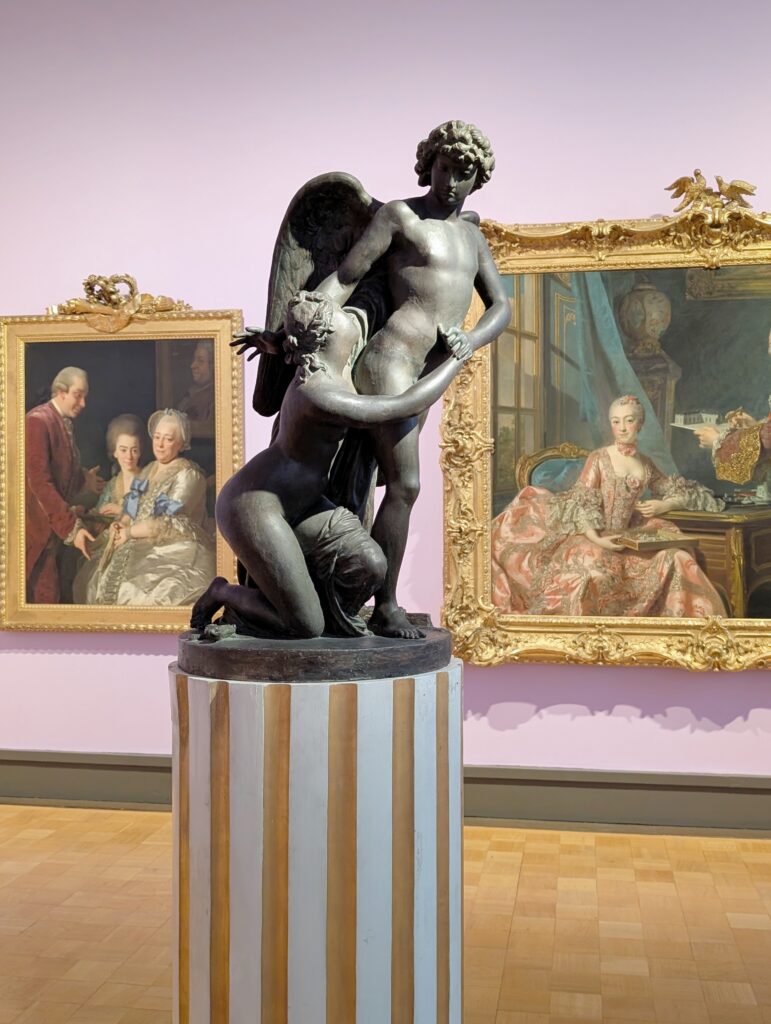
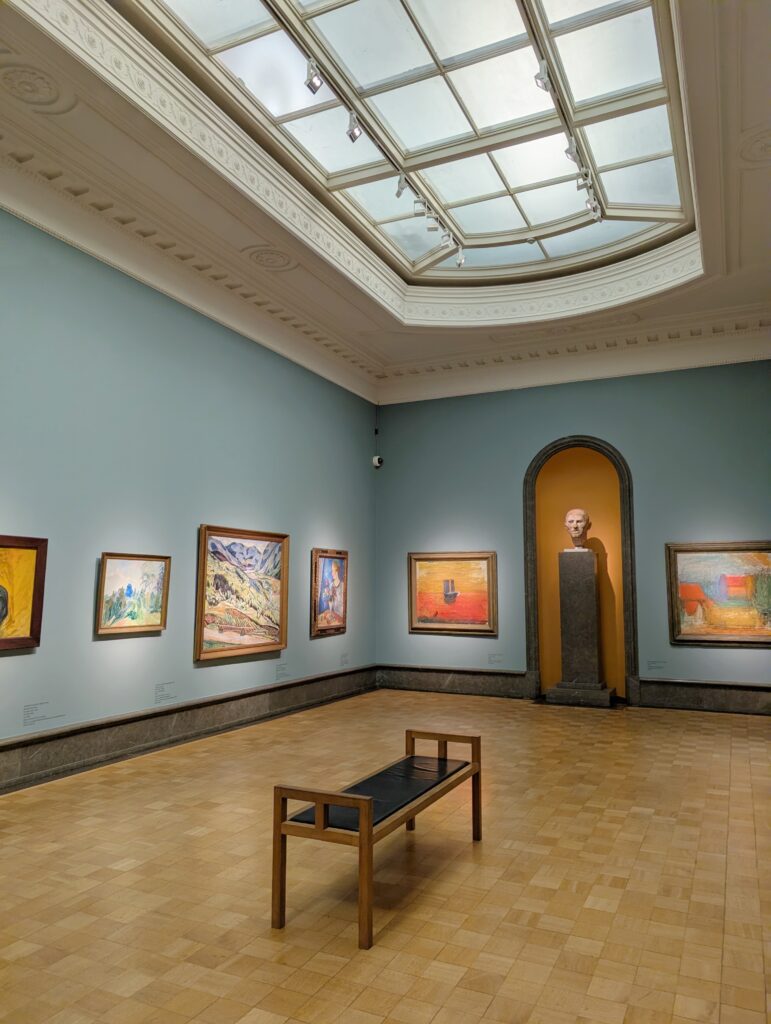
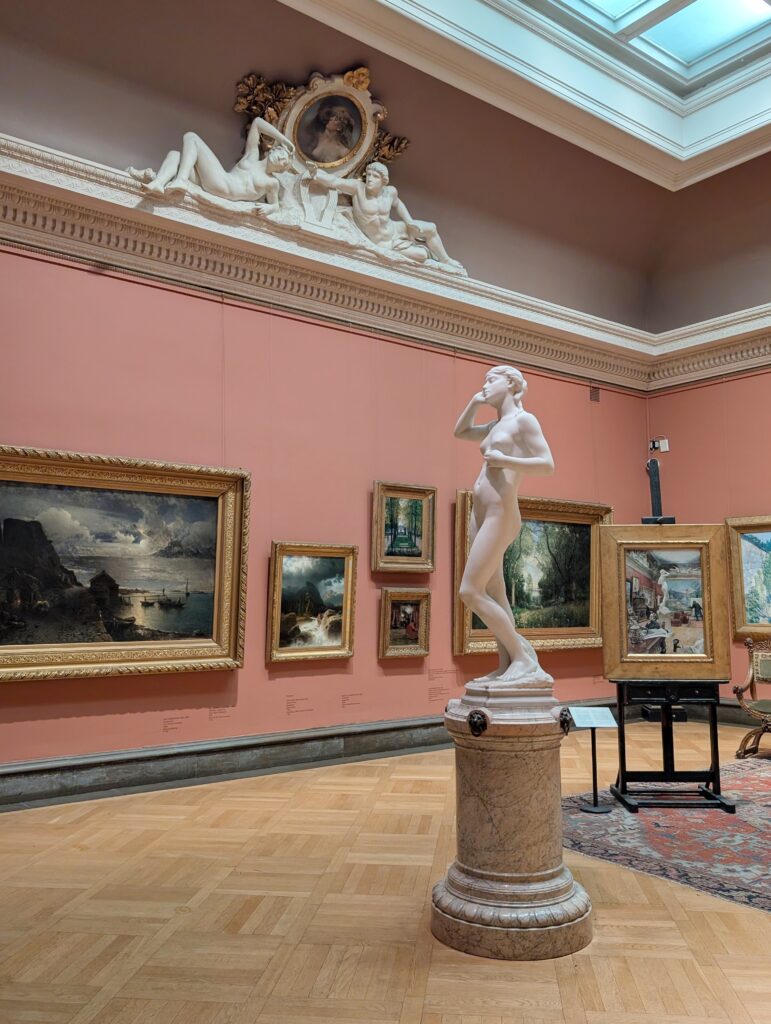
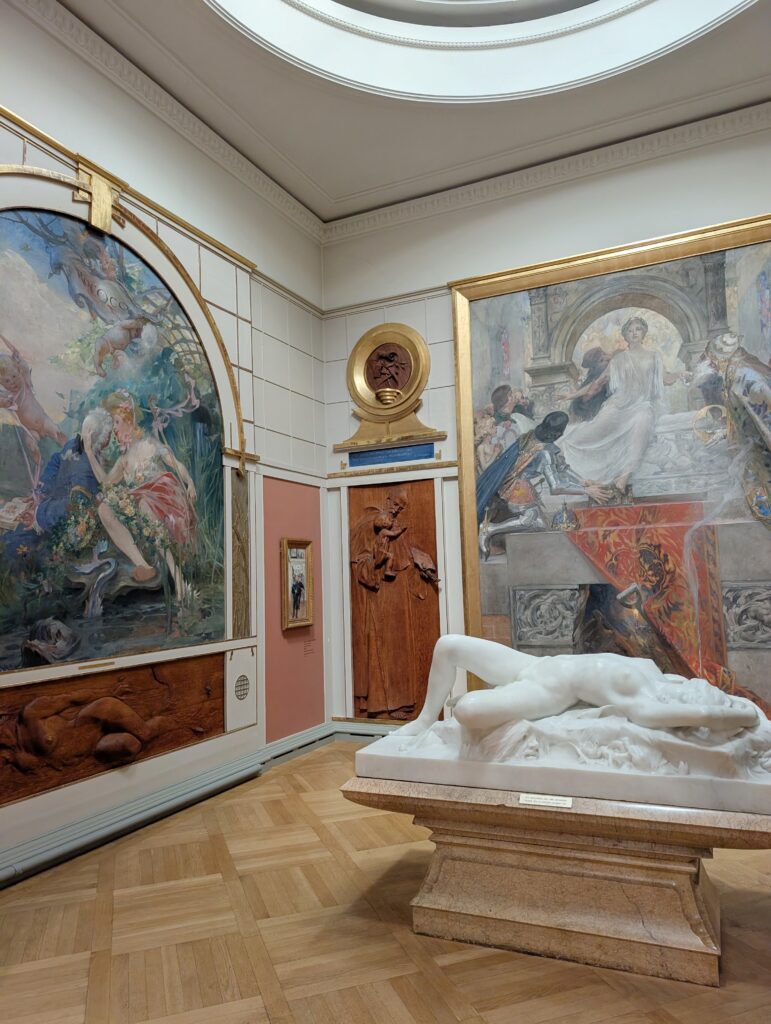
I think this is a great way to round off your first day in Gothenburg, especially if you enjoy combining sightseeing with a little culture.
Practical information
- Adult single-entry ticket: 75 SEK.
- Under 20s: Free admission.
- Students: Free admission with a valid student ID.
- Opening hours: Tuesday-Sunday, with varying closing times. The museum is closed on Mondays.
The museum is cash-free, so bring a debit or credit card.
Day 2: Gothenburg’s History, Haga & City Views
For your second day, I’d explore some of Gothenburg’s historic highlights before heading to Haga and finishing with a panoramic view over the city.
Gothenburg City Museum
Start your day at the Gothenburg City Museum, located in the historic centre.
The museum takes you on a journey through around 12,000 years of history, exploring how Gothenburg and the surrounding region developed over time. You’ll learn about the city’s origins, its maritime and trading history, everyday life throughout different periods and the people who helped shape Gothenburg into the city it is today.
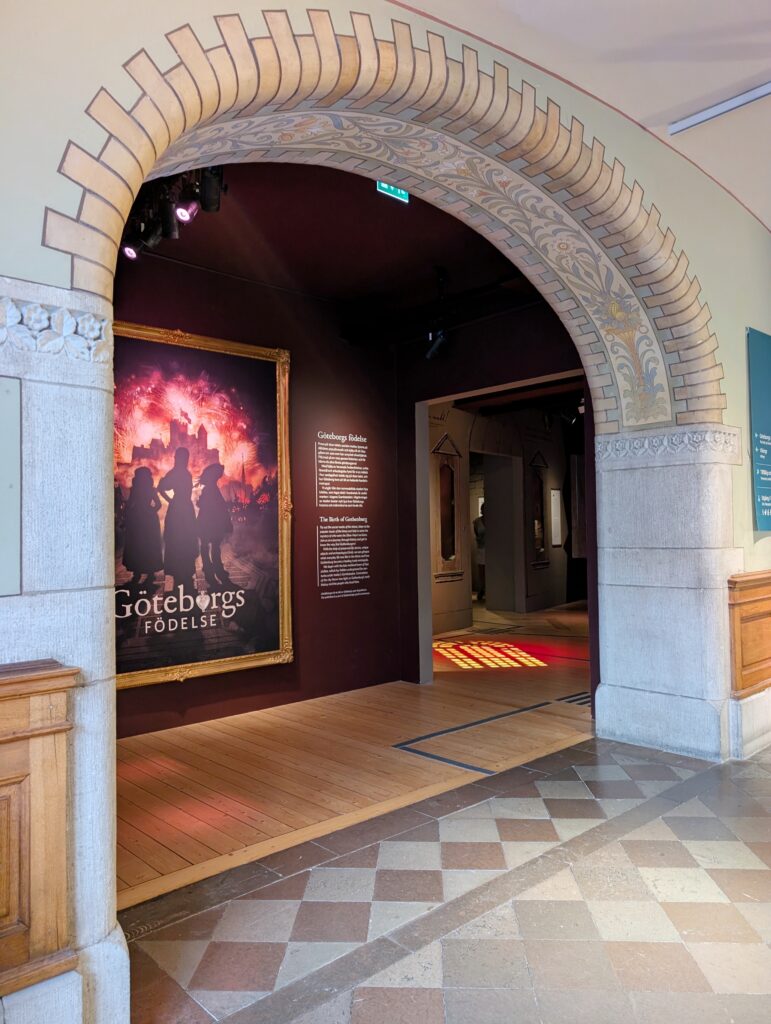

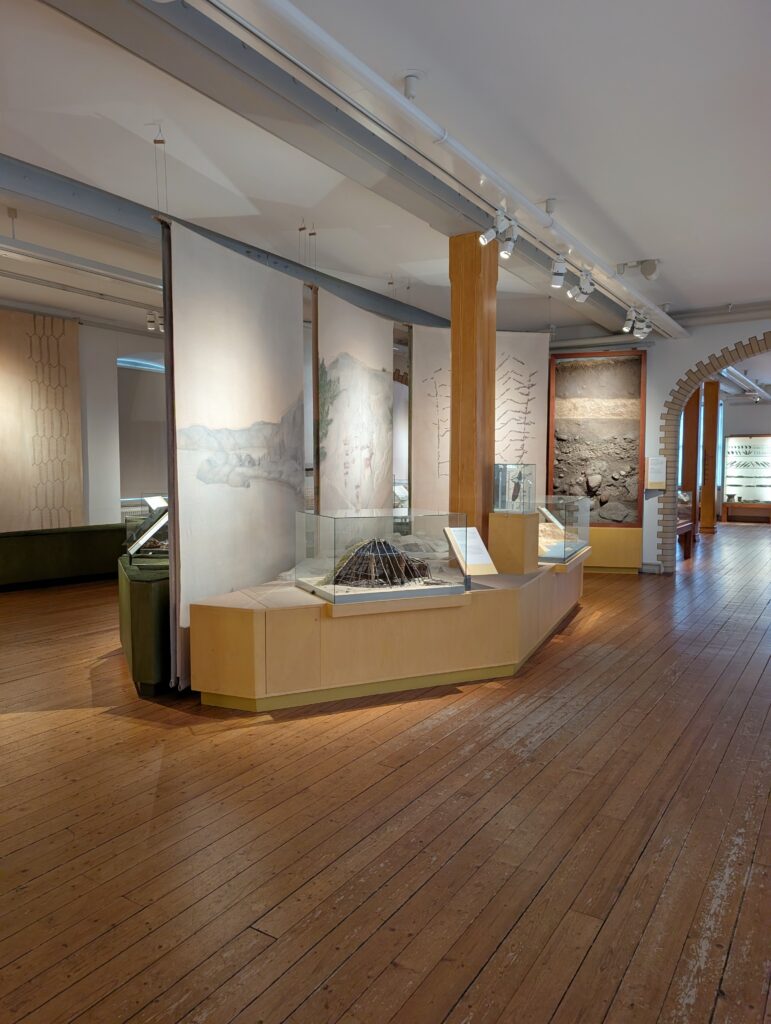
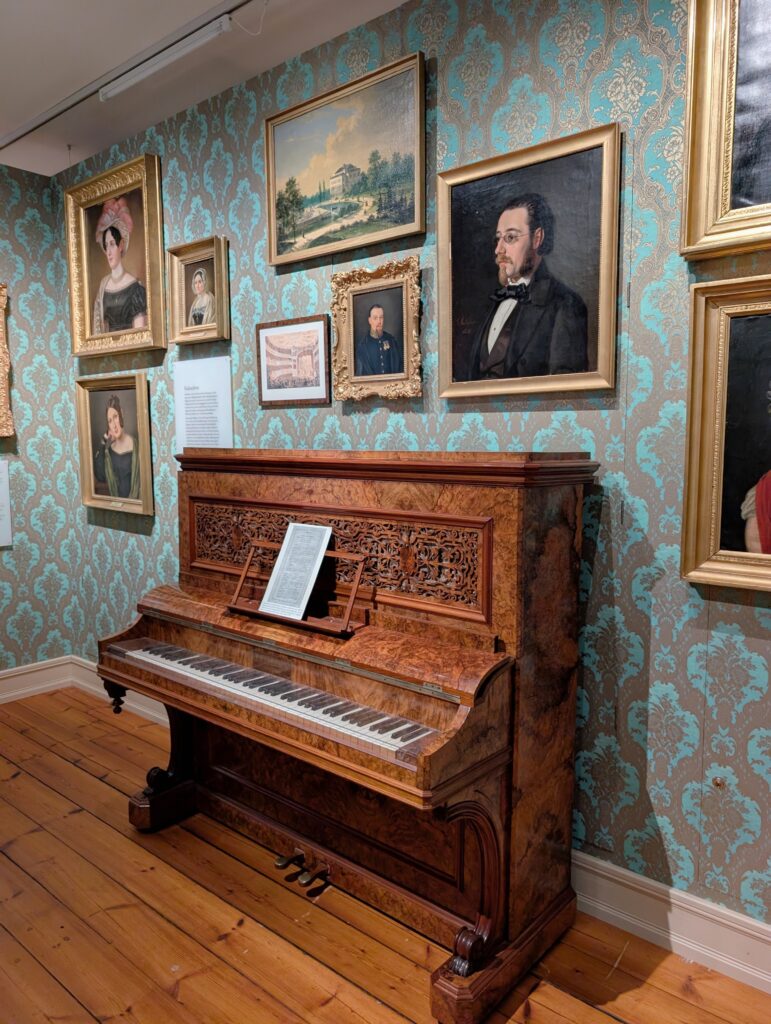
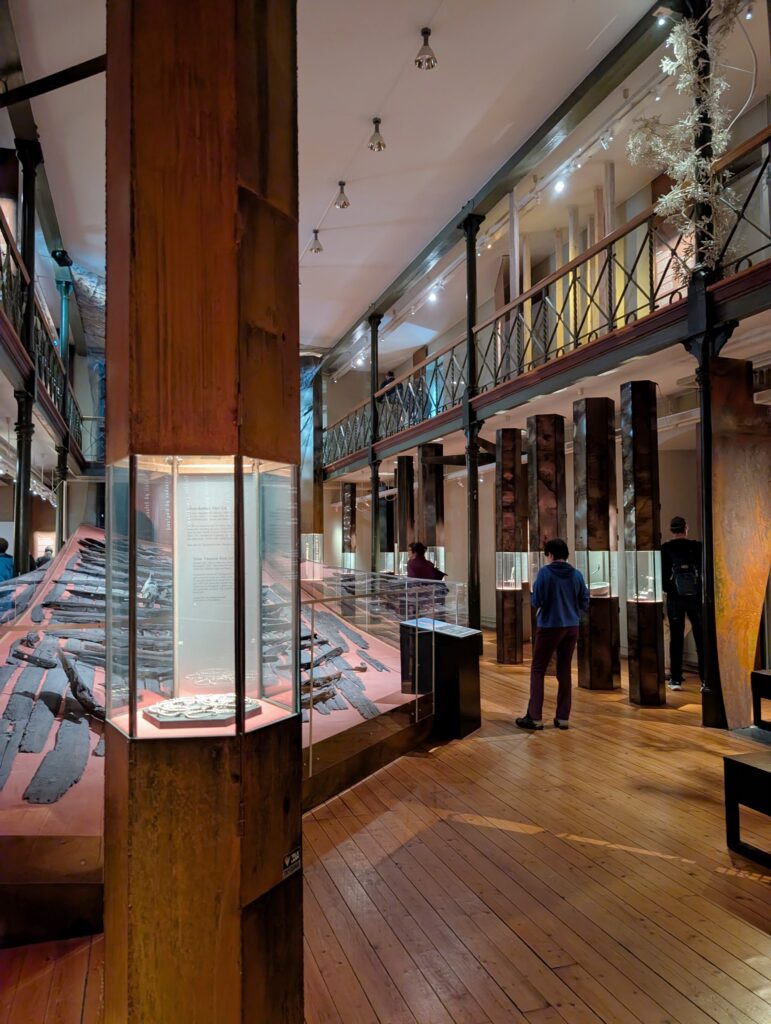
I think this is a particularly good museum to visit if you’re interested in understanding more about the destination you’re exploring. It gives you a little more context about Gothenburg beyond its pretty streets and popular attractions.
Practical information
- Adult day ticket: 75 SEK.
- Under 20s and students: Free admission.
- Opening hours: Tuesday-Sunday, with varying closing times. The museum is closed on Mondays.
The museum is cash-free, so make sure you have a card for payment.
Haga Neighbourhood
Next, make your way to Haga, one of Gothenburg’s oldest neighbourhoods.
Haga dates back to the 17th century and was originally Gothenburg’s first suburb outside the city walls. Historically, it was a working-class neighbourhood, and today it’s known for its charming cobbled streets, historic wooden houses, independent shops and cafés.
The main street you’ll want to visit is Haga Nygata.
This is where you’ll find the cute cafés, bakeries, little shops and the picturesque wooden houses that make Haga such a popular stop for visitors. It’s a lovely place for a stroll, a little shopping or a traditional Swedish fika – a coffee break accompanied by something sweet.
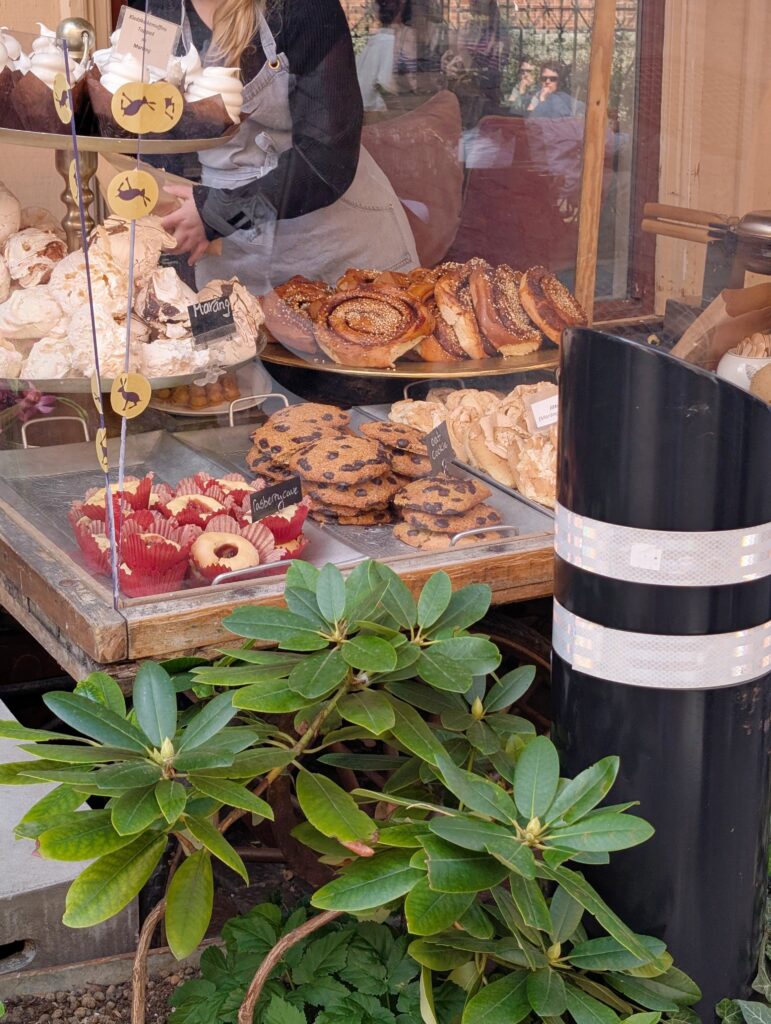
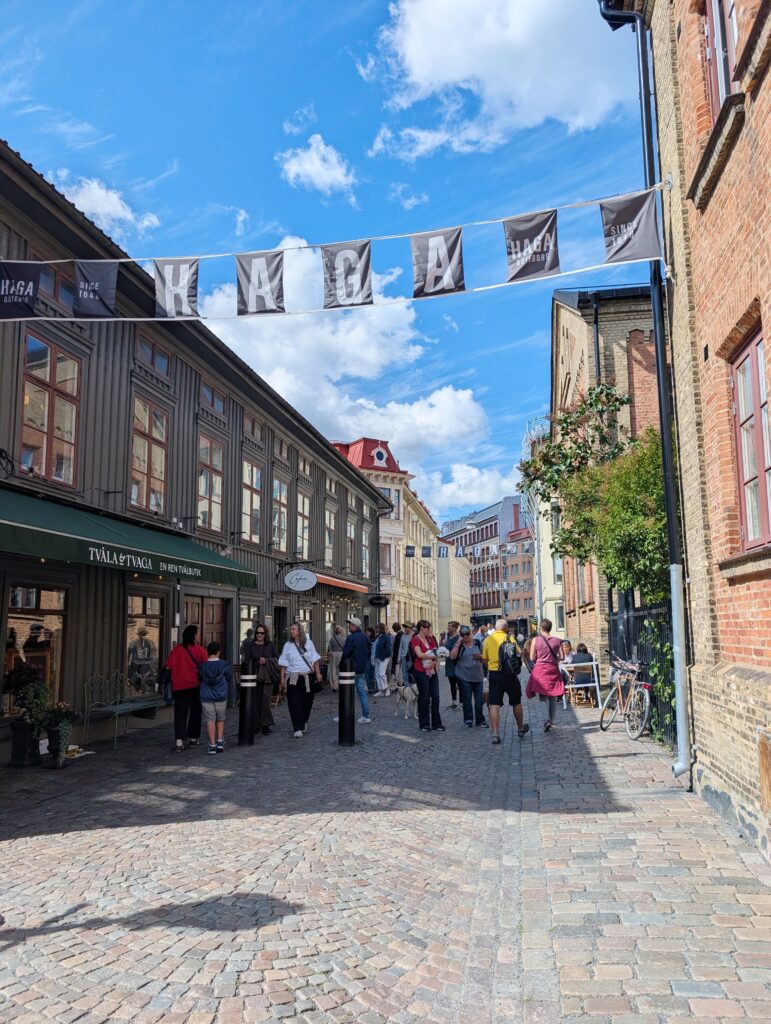
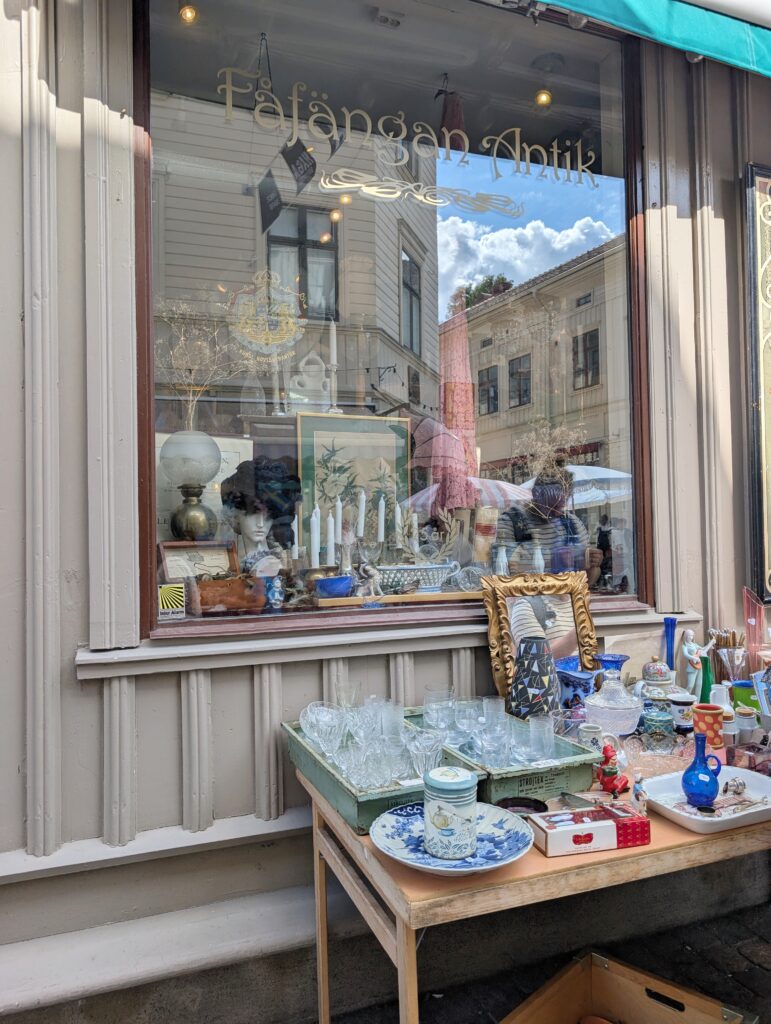
I’ll be honest, though: I liked Haga, but I found that most of the tourist-focused atmosphere was concentrated on Haga Nygata. This is where you’ll see the cute bakeries with pastries displayed on carts and tables outside, as well as the souvenir shops. It’s definitely a cute photo opportunity, but it can also get quite busy.
The surrounding neighbourhood felt much quieter, so don’t expect the entire area to be equally bustling.
Still, I’d recommend visiting Haga. It’s a lovely little neighbourhood to explore, and it’s an easy stop to combine with the rest of your day.
Gothenburg View at Karlatornet
Finish your day with a visit to Gothenburg View at Karlatornet, Gothenburg’s impressive skyscraper.
Karlatornet is 246 metres tall and has 74 floors, making it the tallest building in the Nordic region. The public observation deck, Gothenburg View, is located on the 69th floor, around 220 metres above ground.
From here, you can enjoy a 360-degree panoramic view over Gothenburg, with the city, harbour and surrounding landscape stretching out in every direction.
One of the highlights is the glass floor, where you can walk over the city below. If you’re not afraid of heights, it’s such a fun experience!
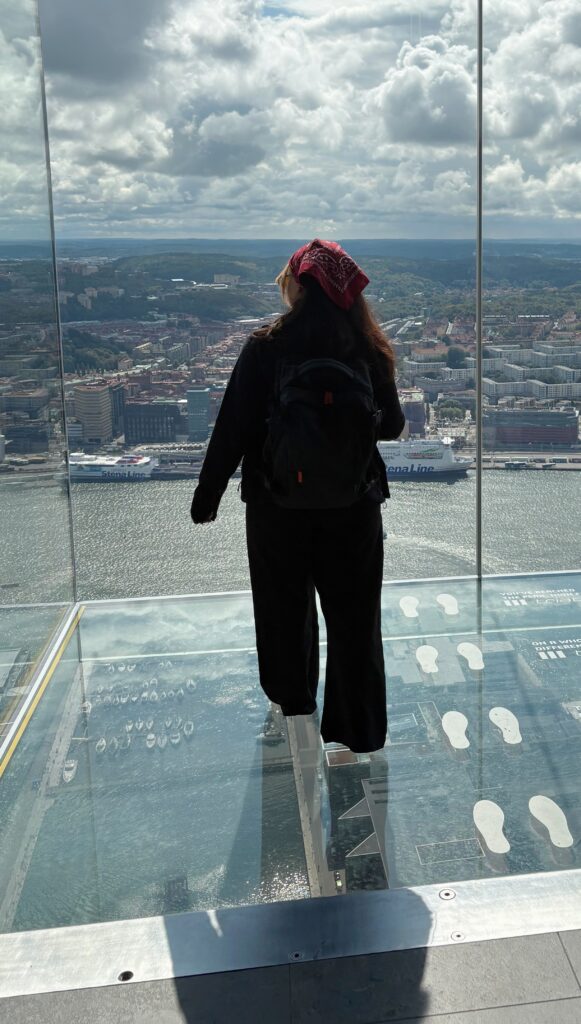
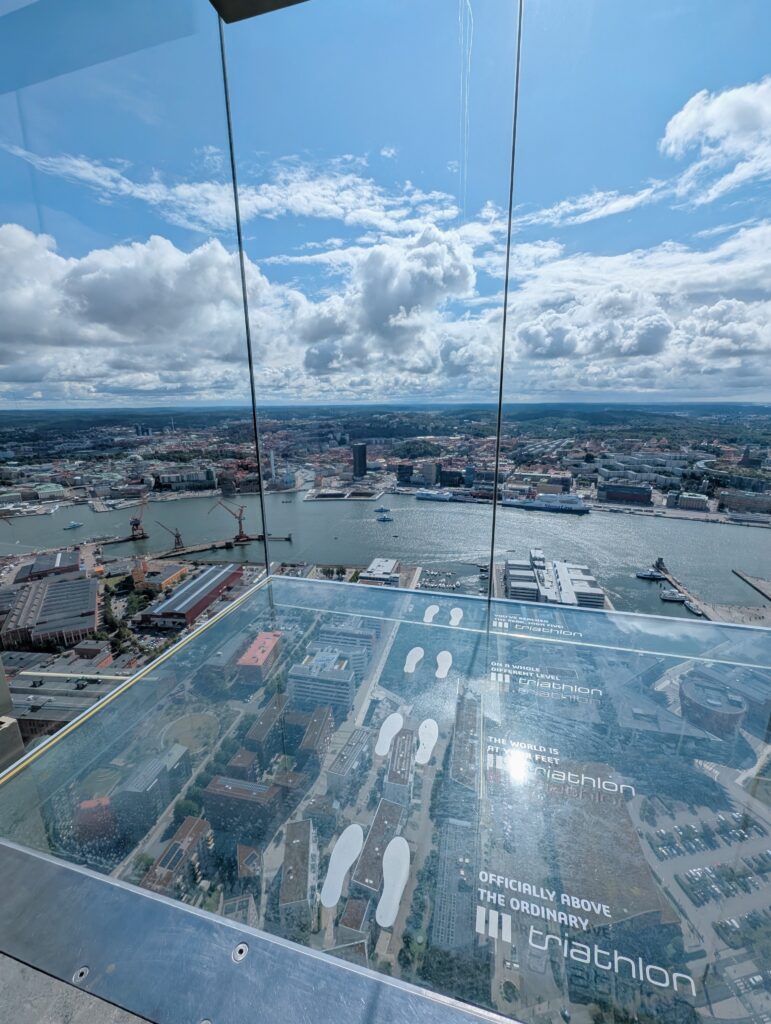
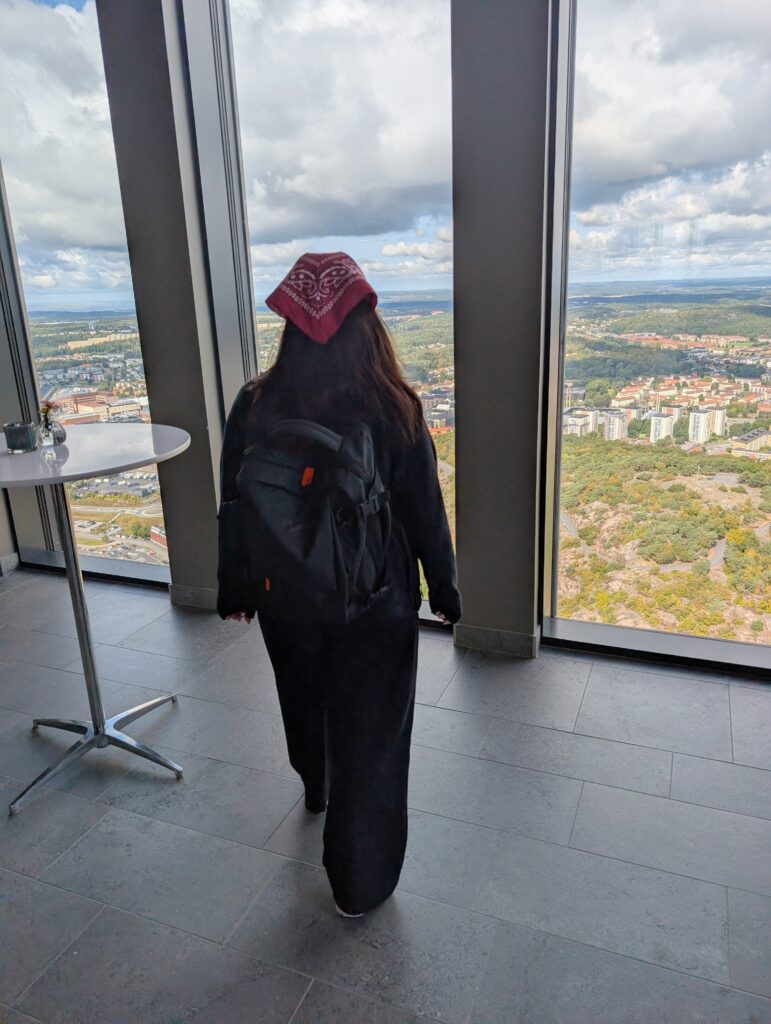

We really enjoyed admiring the view and walking across the glass floor. However, I do have a few things I’d like to mention before recommending this experience.
First of all, it’s quite expensive for what you get. The main attraction is the view, and while it’s a beautiful one, there isn’t an extensive exhibition or additional experience included with your ticket.
I’d also read reviews mentioning that some residents of the building weren’t particularly happy about tourists visiting the observation deck. I can completely understand that, since Karlatornet is primarily a residential building, but we didn’t have any unpleasant encounters with residents during our visit.
There are some chairs and couches where you can sit and enjoy the scenery, as well as a bar where you can purchase drinks and food. However, one part of the space was being used as a meeting area when we visited, with chairs arranged in rows facing a digital board. There were also quite a few food crumbs around. When you’re paying so much for a viewpoint, I personally expect the space to be clean and fully accessible.
We still had a great time admiring the view, and I think it’s a unique way to see Gothenburg from above. Since the viewpoint is relatively new, I’m willing to give it a little time to improve. Hopefully, they’ll have made some adjustments after receiving feedback from visitors.
Would I recommend it? Yes, if you’re willing to pay for the experience. Just go in knowing that you’re mainly paying for the panoramic view and glass floor rather than a full attraction.
A Little Tip: The Gothenburg Museum Card
If you’re planning to visit more than one museum in Gothenburg, I’d definitely recommend looking into the Museum Card (Museikortet).
The card costs around 150 SEK for adults and 130 SEK for seniors and gives you unlimited visits to four of Gothenburg’s municipal museums for the calendar year in which you purchase it.
The card includes:
- Gothenburg Museum of Art
- Gothenburg City Museum
- The Maritime Museum and Aquarium
- The Röhsska Museum of Design and Crafts
Since a regular adult ticket to Gothenburg Museum of Art or Gothenburg City Museum costs 75 SEK, the card already pays for itself after visiting two museums.
We visited two of these museums during our trip, and even then, I think it was worth the money. Of course, if you have the time and are interested in the collections, I’d recommend visiting all four to really get your money’s worth!
Tip: The Museum Card is valid for the entire calendar year.
Day 3: Gothenburg’s Green Side Botanical Garden & Slottsskogen
For your final day, I’d head towards the western side of Gothenburg and spend some time exploring the city’s beautiful green spaces.
This is a great day for anyone who enjoys nature, gardens and a little walking. The Botanical Garden and Slottsskogen are located close to each other, so it’s easy to combine them into one day.
Gothenburg Botanical Garden
Start your day at the Gothenburg Botanical Garden, one of the largest botanical gardens in Europe.
The garden covers a huge area and is home to thousands of plant species from around the world. You’ll find beautifully landscaped gardens, rock gardens, wooded areas, ponds and a variety of different plant collections.
It’s such a lovely place to explore, especially if you’re visiting in spring or summer when the plants and flowers are looking their best.
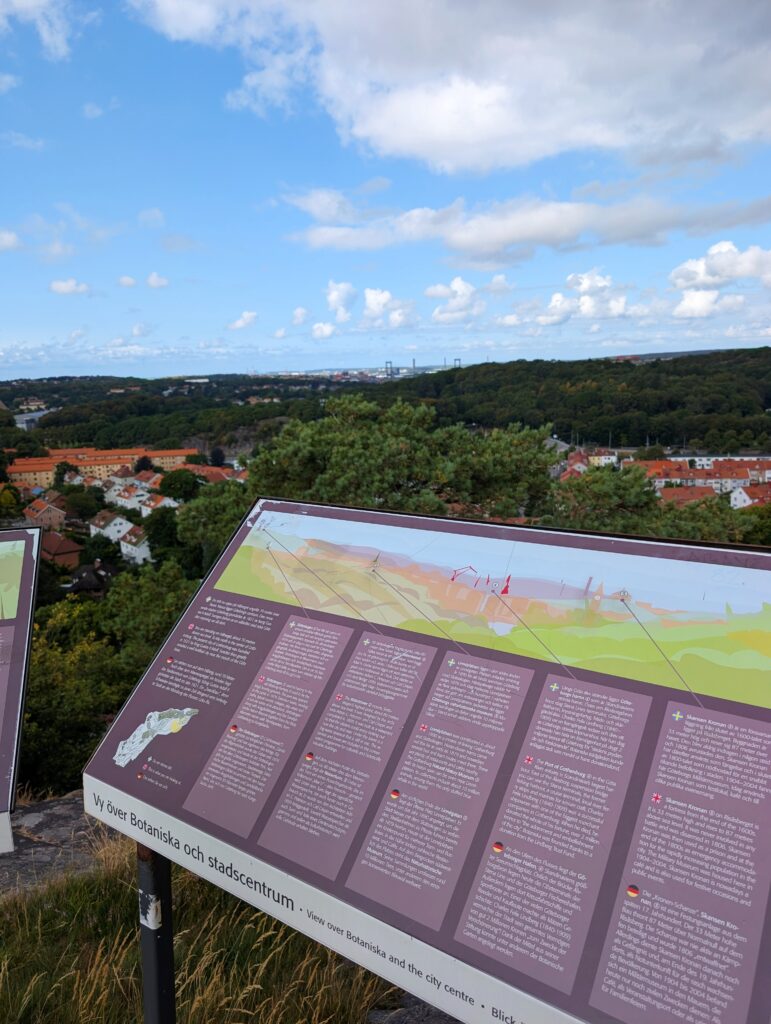
We spent quite a bit of time here and managed to see a fair amount of the garden. One of my favourite parts was climbing to the viewpoint at the top of the garden.
The walk is quite a hike, but I definitely recommend doing it if you’re physically able to. The views over Gothenburg and the surrounding landscape are absolutely worth the effort, and it’s a lovely way to experience the garden beyond its main paths.
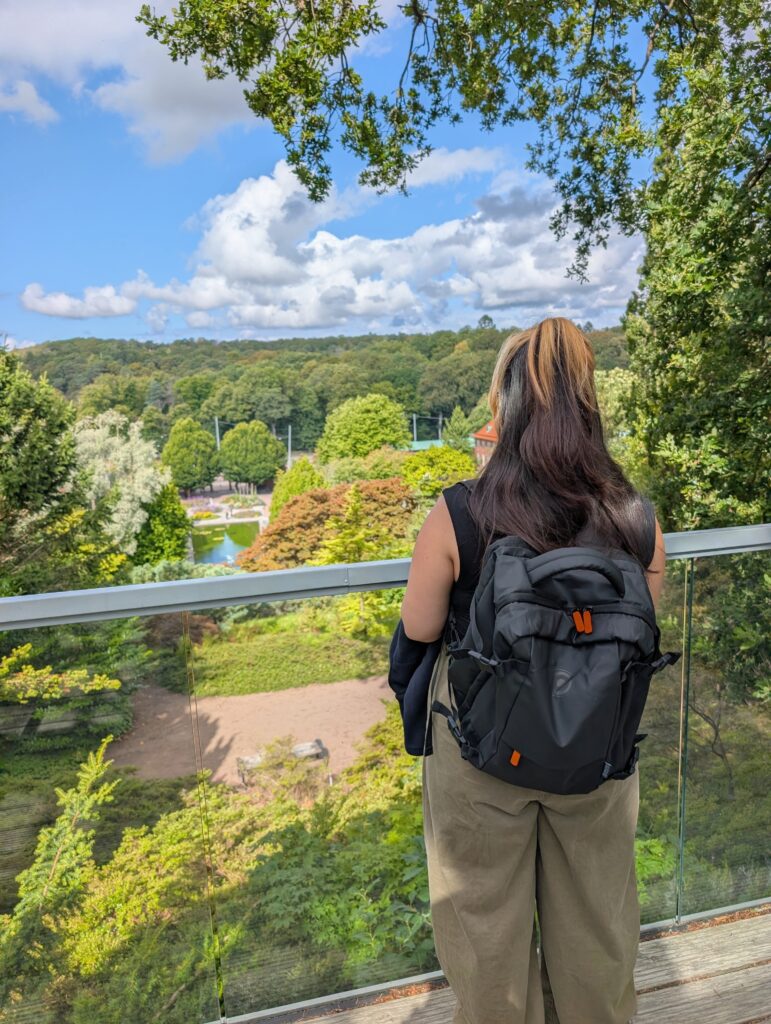
A few tips for visiting:
- Bring your own drinks and snacks. The garden is huge, and you’ll likely be walking around for quite a while.
- Wear comfortable shoes and clothes suitable for walking.
- Give yourself plenty of time to explore. This isn’t a place I’d rush through.
- If you’re planning to climb to the viewpoint, be prepared for a little uphill walking.
The garden is open all year round, and you don’t need to book a visit in advance. The current website lists a voluntary admission contribution of 30 SEK, so check the latest visitor information before your trip.
Slottsskogen Zoo
After exploring the Botanical Garden, continue to Slottsskogen, one of Gothenburg’s largest and most popular parks.
Slottsskogen is a huge green space with walking paths, open lawns, picnic areas, playgrounds and a zoo. It’s a lovely place to spend some time outdoors, especially if you’re visiting Gothenburg in nice weather.
The zoo is one of the oldest in Sweden and focuses on Nordic animals, including elk, seals and penguins. It’s free to visit and open year-round, making it a great addition to your Gothenburg itinerary.

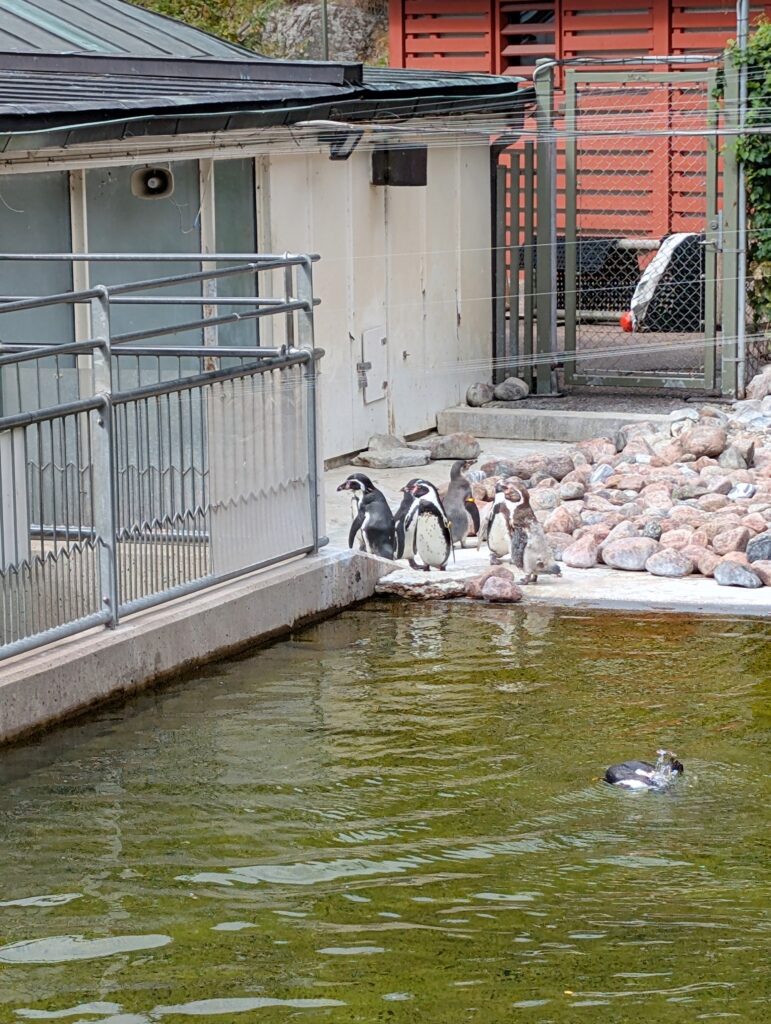
We only explored a small part of Slottsskogen and saw some of the animals, but the entire park is enormous. You could easily spend several hours here if you wanted to explore more of the park and its different areas.
I think it’s a particularly nice stop if you’re travelling with children or simply enjoy spending time outdoors. Since it’s free, you can also just visit for a little while without feeling like you need to see everything.
Final Thoughts: Is Gothenburg Worth Visiting?
After visiting Gothenburg for the first time, I can honestly say that I think it’s such an underrated city break destination!
I loved the mix of historic neighbourhoods, beautiful gardens, interesting museums and modern architecture. There’s plenty to see and do, but the city also has a relaxed atmosphere that makes it easy to enjoy at your own pace.
If you’re planning a trip to Gothenburg, I’d definitely recommend visiting Trädgårdsföreningen and its beautiful greenhouse, exploring Haga, checking out the city’s museums and spending some time in the Botanical Garden and Slottsskogen.
And if you’re willing to spend a little extra, the view from Karlatornet is a unique experience that I think is worth considering.
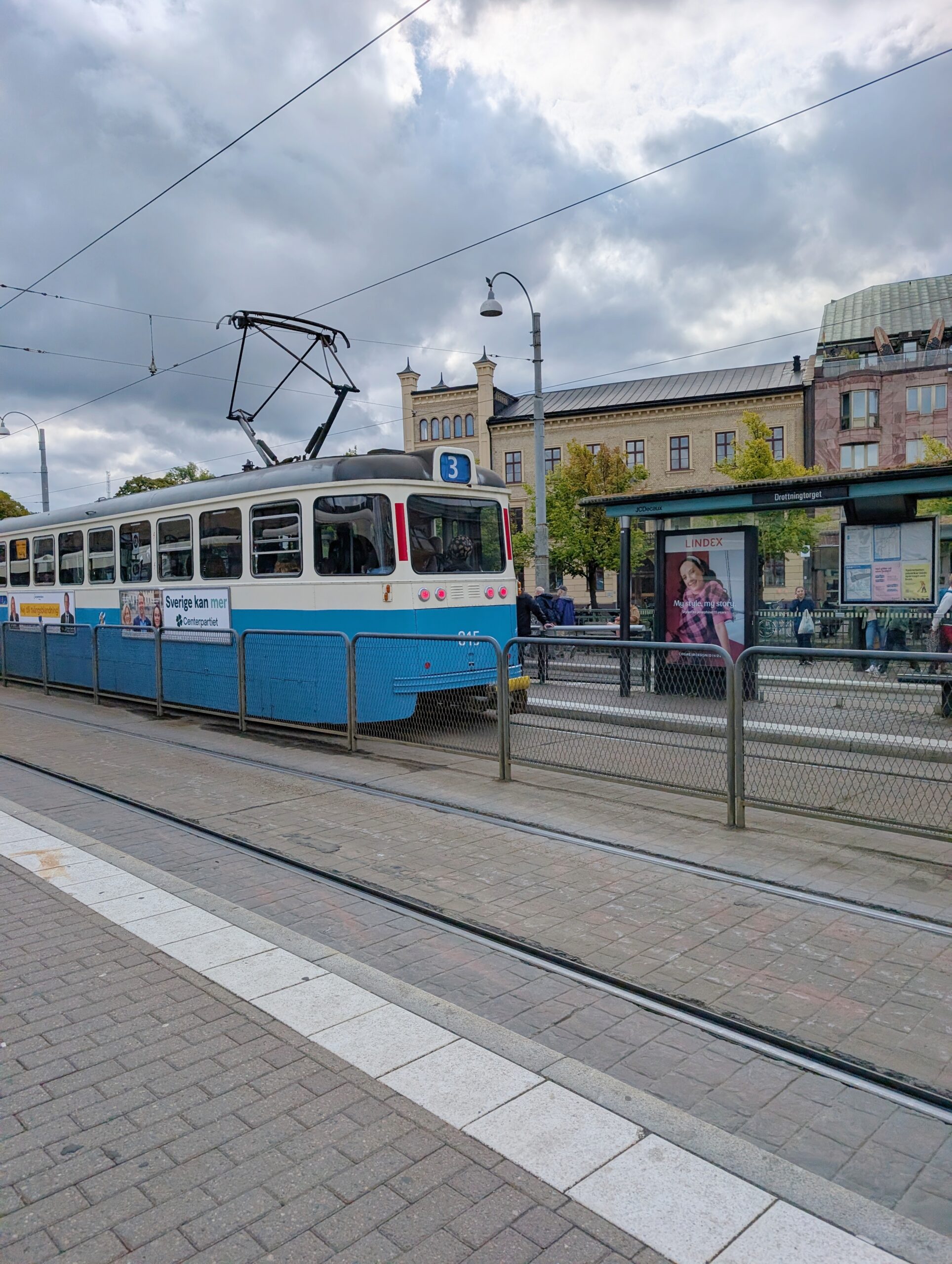
Gothenburg surprised me in the best way, and I think it’s a lovely destination for anyone looking for a slightly different European city break!
If your phone plan doesn’t include reliable data in Sweden, an eSIM can be really handy for navigating Gothenburg, checking public transport, looking up opening hours and booking things while you’re out exploring. I personally use Holafly when I travel, and you can get 5% off with my code BUGGIRLADVENTURES. Get your Holafly eSIM for Sweden here.
Xo Bug Girl
Instagram: @thebuggirladventures
Leave a Reply